
 English
 简体中文
 Русский
 Français
 Português
 Español


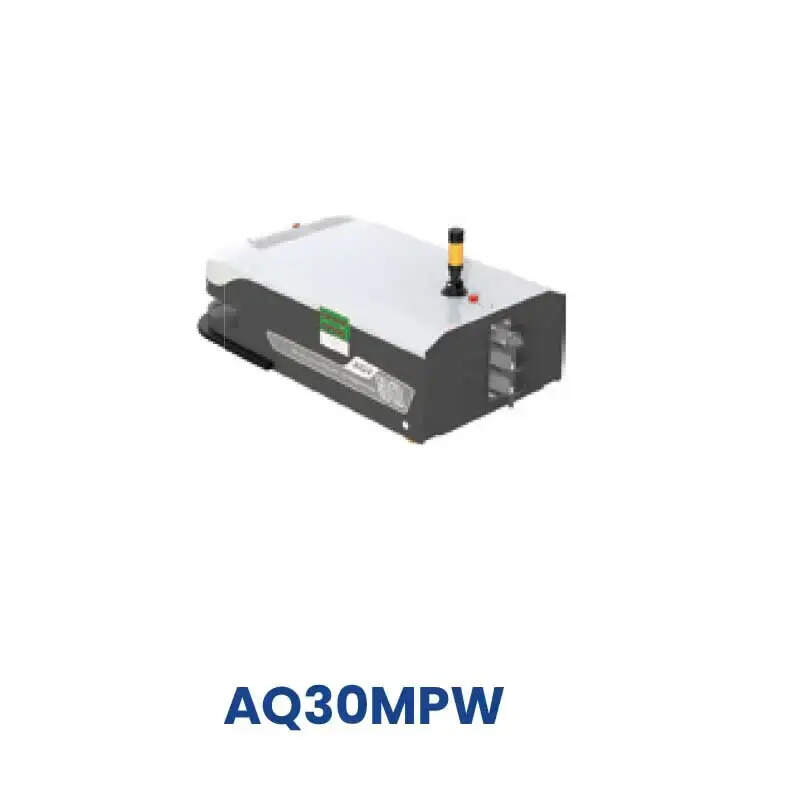
As low-carbon logistics and intelligent warehouse management models develop rapidly, electric forklifts have become one of the most widely used material handling equipment in modern industrial scenarios in recent years. For frontline operators, warehouse managers and related procurement personnel, mastering systematic knowledge of electric forklifts can effectively reduce unnecessary operational risks, extend equipment service life and improve overall logistics operation efficiency.
Core Functional Features of Modern Electric Forklifts
Different from traditional internal combustion counterparts, electric forklifts are driven by mature power battery systems, which produce no exhaust emission during the whole operation process, making them more suitable for enclosed indoor warehouses, food processing workshops, pharmaceutical storage areas and other scenarios that have strict requirements for ambient air quality. Most mainstream products on the current market are equipped with optimized silent operation modules, which can effectively reduce noise interference in densely populated working areas, and will not disturb other ongoing production or storage tasks around. The overall structure of standard models is relatively compact, with a flexible turning radius, which can well adapt to the narrow aisle operation needs of standardized newly built warehouses.
Standardized Operation Essentials for Frontline Users
Operators need to receive formal pre-job skill training before using the equipment, and complete full pre-inspection work before each start, including checking the remaining power status, the flexibility of the lifting mechanism, the sensitivity of the braking system and the normal operation of the lighting prompt components. During the whole operation process, operators should adjust the driving speed according to actual site road conditions and load weight, avoid frequent sudden acceleration and sudden braking, and keep a sufficient safe distance from surrounding walking personnel and high storage shelves. When stacking goods at high positions, operators should adjust the mast tilt angle reasonably to reduce the risk of goods slipping, and do not carry out overload operation beyond the rated load range for a long time.
Routine Maintenance Practical Guidelines
Standardized daily maintenance work can effectively reduce the overall failure rate of electric forklifts. After each use, operators should wipe the surface of the equipment to remove dust and residual goods debris, check the battery connection port for abnormal wear, and complete the charging process in the specified special charging area, avoid overcharging or long-term power loss storage of the battery pack. Professional maintenance personnel can conduct regular in-depth inspection of the motor, control system and hydraulic components, replace aging wearable parts in time, and record the maintenance status to form a complete equipment use file for subsequent management reference.


