
 English
 简体中文
 Русский
 Français
 Português
 Español


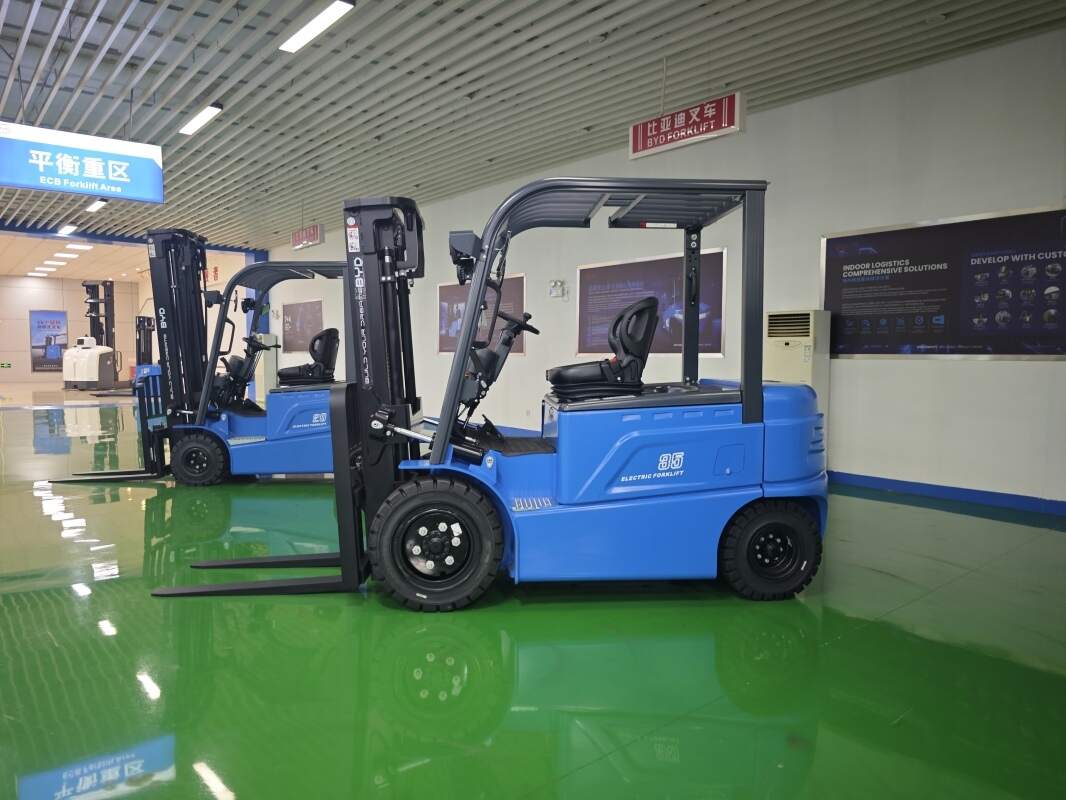
As low-carbon intralogistics solutions gain wider adoption across global warehouse and distribution sectors, electric forklifts have become a core piece of equipment for daily material handling operations. Many frontline operators and site managers still lack systematic, practical guidance to maximize the value of this equipment while avoiding unnecessary operational risks.
Core Operational Advantages of Electric Forklifts
Unlike traditional fuel-powered handling equipment, most electric forklift models produce zero on-site exhaust emissions, which fits well with indoor warehouse operation requirements and avoids extra air ventilation investment for enclosed working spaces. The overall noise level of running electric forklifts is far lower than that of combustion-powered counterparts, which helps reduce staff fatigue during long shifts and create a more comfortable working environment for on-site teams. The power output of well-calibrated electric forklift systems can maintain stable performance across different load weights, supporting consistent handling efficiency for most standard warehouse working conditions.
Practical Daily Maintenance Guidelines
Regular routine checks before each shift can effectively reduce unexpected equipment downtime. Operators are suggested to inspect the remaining power level of the power pack, the wear condition of tire surfaces, the flexibility of lifting and steering mechanisms, and the validity of all safety alarm components before formal operation. After daily work is finished, operators should clean the dust and accumulated sundries on the equipment surface, place the forklift in the designated parking zone, and connect the power pack to the matched charging unit following official operation instructions. It is not recommended to leave the equipment running in high load status for consecutive hours without proper rest, which can help extend the overall service cycle of core components.
Standard Safety Operation Notes
Operators need to receive formal operation training before they are allowed to use electric forklifts in working sites. They should avoid carrying over the rated load weight during operation, keep a safe distance from surrounding staff and shelf structures, and lower the lifting forks to a proper low height when the vehicle is moving. For narrow aisle working scenarios, operators should control the moving speed at a reasonable level to avoid collision with surrounding facilities. Following these practical guidelines can help enterprises fully leverage the performance of electric forklifts, optimize their intralogistics workflow, and achieve stable, long-term operation benefits.


