
 English
 简体中文
 Русский
 Français
 Português
 Español


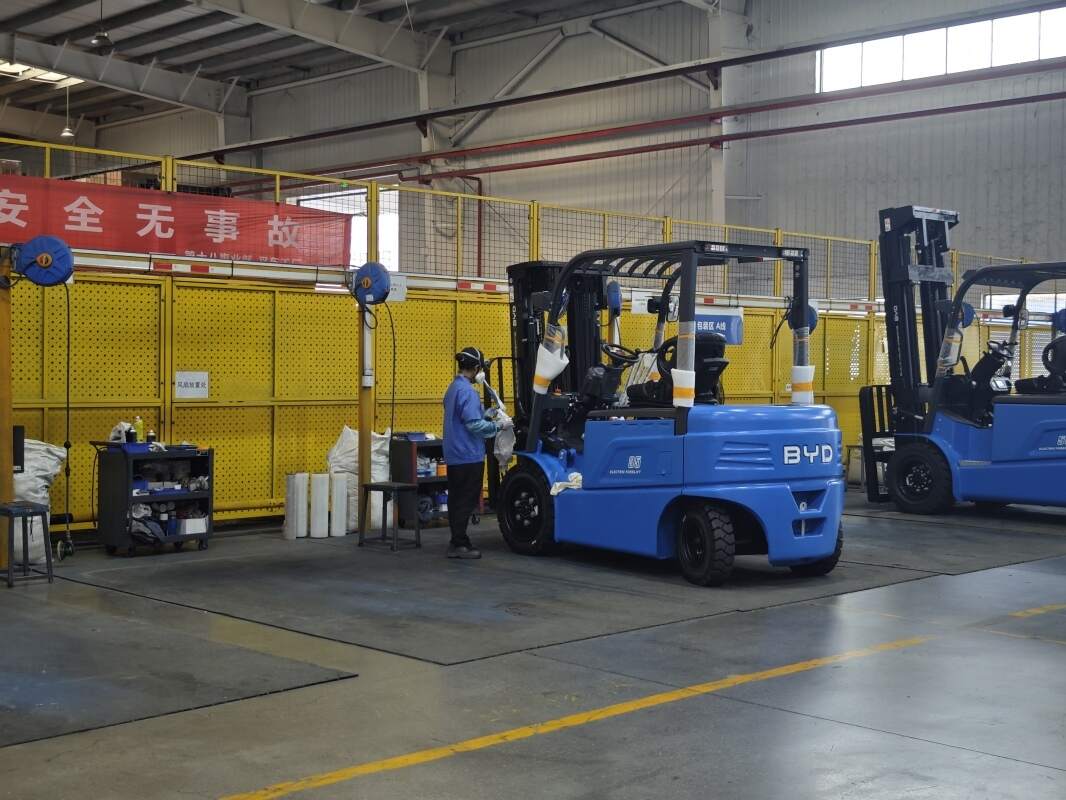
As the penetration rate of electric material handling equipment continues to rise in modern logistics and warehouse scenarios, more and more operation teams are paying attention to standardized usage methods to give full play to the performance of electric forklifts. Mastering systematic operation and maintenance knowledge can effectively reduce unnecessary faults, create safer working environment and bring stable long-term value for operation teams.
Core Standardized Operation Specifications
Before each shift of operation, operators need to complete necessary pre-inspection steps, including checking the remaining battery level, sensitivity of the braking system, flexibility of the lifting mechanism, and clearing obstacles around the operation route. During the moving process, keep the driving speed matching the surrounding environment, slow down at turns, keep the load center within the allowable range of the load weight mark, and avoid actions that may cause cargo falling or equipment tipping. It is not allowed to use the fork to lift personnel to work at height without matching special supporting structures, to reduce potential safety risks in daily work.
Routine Maintenance Practices for Stable Performance
Regular scientific maintenance can effectively prolong the service cycle of electric forklifts and reduce unexpected downtime. For the power battery part, follow the specified charging process, avoid long-term overcharging or complete discharge to avoid damage to the battery activity, keep the surface of the battery and the connecting interface clean and dry to prevent poor contact caused by dust accumulation. For the walking and lifting system, check the wear degree of the tires, the tightness of the hydraulic oil pipeline regularly, clean the dust on the surface of the motor and heat dissipation structure on a regular basis, and place the equipment in a dry and ventilated environment when it is not used for a long time.
Scenario Adaptation Tips to Improve Working Efficiency
Different working scenarios put forward different requirements for the use of electric forklifts. For narrow channel scenarios, control the turning radius reasonably, plan the handling route in advance to avoid repeated detours. For high load scenarios, reasonably distribute the weight of the goods, avoid long time full load operation to reduce the load of the power system. Regularly organize operation personnel to complete skill update training, let operators get familiar with the performance boundary of the equipment, and further optimize the overall material handling flow of the warehouse. For most warehouse and logistics teams, standardized use and regular maintenance of electric forklifts can help reduce comprehensive operation cost and create more stable working conditions for daily material handling work.


