
 English
 简体中文
 Русский
 Français
 Português
 Español


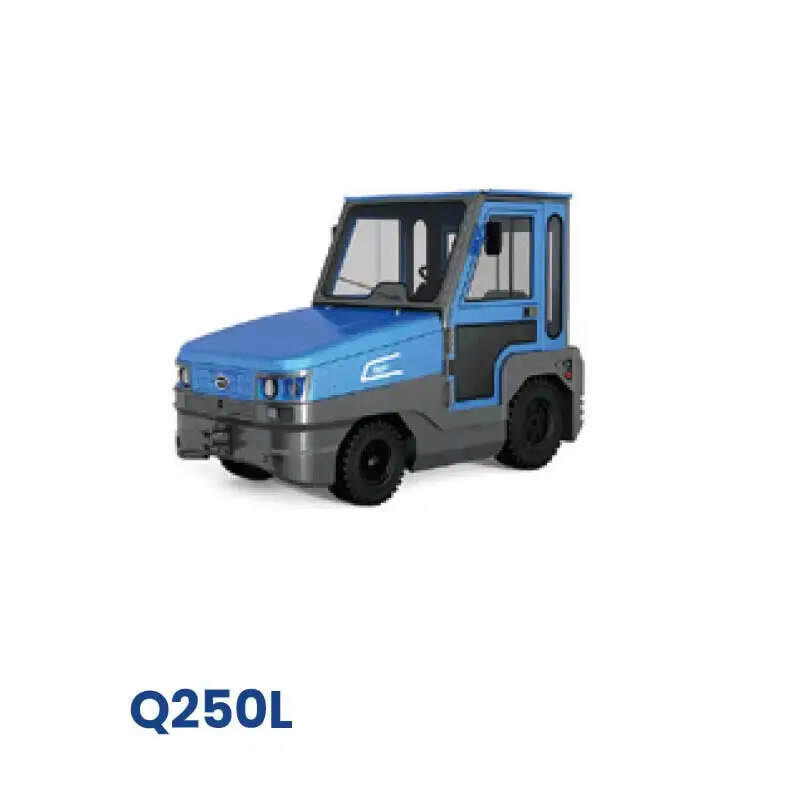
As low-carbon logistics development gains broader popularity across the material handling industry, electric forklifts have become one of the most widely applied core equipment in indoor and enclosed operation scenarios, bringing distinct operation experiences compared with traditional internal combustion counterparts. Many frontline operators and warehouse managers need systematic, practical knowledge to maximize the value of such equipment in daily work.
Core Performance Characteristics of Electric Forklifts
Different from fuel-powered equipment, electric forklifts rely on rechargeable power modules to supply energy, with no exhaust emission generated during the whole operation process. The whole power transmission system runs with relatively low noise, which helps create a more comfortable working environment for staff working in closed warehouse spaces for long hours. The overall structure of the control module is designed to be more user-friendly, reducing the learning threshold for new operators to master basic operation skills in a relatively short adaptive period.
Standardized Daily Operation Norms
Before starting each shift, operators need to conduct a full inspection of key components, including the brake system, lifting mechanism, tire condition and remaining power level, to rule out potential hidden risks in advance. During the operation process, operators need to keep proper observation of surrounding personnel and obstacles, avoid overloading beyond the marked load limit, and adjust the driving speed according to the actual road condition of the operation area. When the equipment is not in use, operators should park the vehicle in the designated area, lower the lifting frame to the lowest position, and cut off the power supply properly.
Routine Maintenance Suggestions
Regular maintenance work helps stabilize the operation state of electric forklifts and extend their whole service cycle. Operators should conduct regular cleaning of the dust and sundries accumulated on the surface of the power module, avoid using equipment in extreme high or low temperature environment for a long time, and follow the official guidance to finish the charging process to protect the performance of the power unit. It is also suggested to arrange regular professional inspection of the circuit system and transmission structure, so as to discover and solve minor problems in early stage, and reduce the possibility of unexpected operation interruption.


