
 English
 简体中文
 Русский
 Français
 Português
 Español


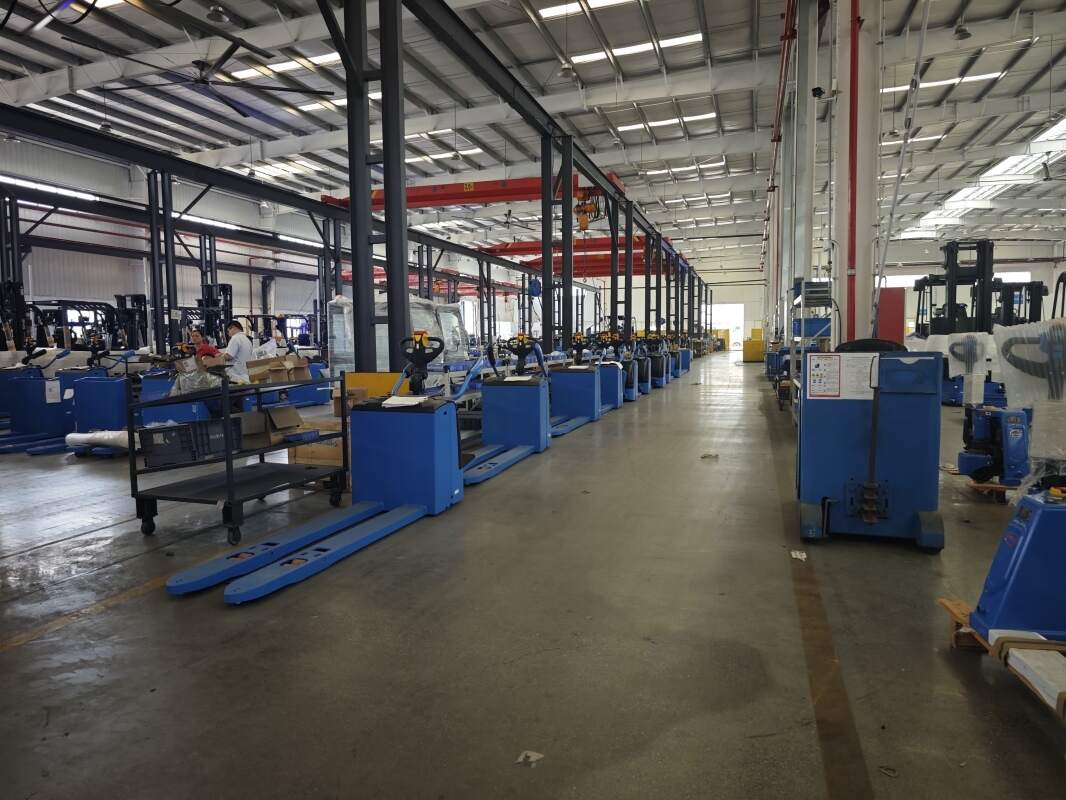
As the low-carbon logistics trend keeps expanding across industrial and warehousing sectors, electric forklifts have become one of the most widely applied material handling equipment in various indoor and semi-indoor working scenarios in recent years. Mastering systematic professional knowledge of this type of equipment helps relevant practitioners maximize its use value and avoid unnecessary operating risks.
Core Performance Advantages of Electric Forklifts
Different from traditional fuel-powered handling equipment, electric forklifts complete power output through high-efficiency motor systems, which produce no local exhaust emission during operation, and generate far lower working noise than fuel counterparts. Such features make them highly suitable for closed warehouse spaces, food processing workshops and other scenarios with strict requirements for environmental indicators. Its overall energy consumption cost per unit working hour is relatively lower, which helps users control long-term operating expenditure without extra fuel supply arrangement. The whole structure also features simpler operation logic for new operators to get familiar with basic operation skills in a relatively short adaptation period.
Standardized Daily Operation Specifications
Before starting each shift, operators need to complete basic pre-use checks, including confirming remaining battery power, testing the sensitivity of braking and steering systems, checking the normal working state of safety warning lights and horns. During operation, staff should avoid overloading beyond the rated load capacity, keep a safe distance from surrounding stacked goods and passing pedestrians, and slow down when passing through narrow aisles or turning corners. It is not recommended to keep the equipment in full load operation state for consecutive overlong hours, and operators should cut off the main power supply timely when leaving the operation position to prevent misoperation from unrelated personnel.
Scientific Maintenance Methods to Extend Service Life
Daily maintenance work can effectively reduce the failure rate of electric forklifts and prolong their whole service cycle. Operators need to check the status of power units regularly, keep the surface of battery components clean, and confirm the electrolyte level meets the specified standards for lead-acid battery models. It is also necessary to check the hydraulic oil leakage status of the lifting system and the wear degree of walking tyres on a regular basis, and arrange professional technical personnel to complete the comprehensive inspection of core electrical components every certain working cycle. Do not disassemble the sealed electrical structure without professional guidance, to avoid unnecessary safety risks. With proper operation and standardized maintenance, electric forklifts can maintain stable working performance in long-term material handling work, and create higher use value for different industrial logistics scenarios.


