
 English
 简体中文
 Русский
 Français
 Português
 Español


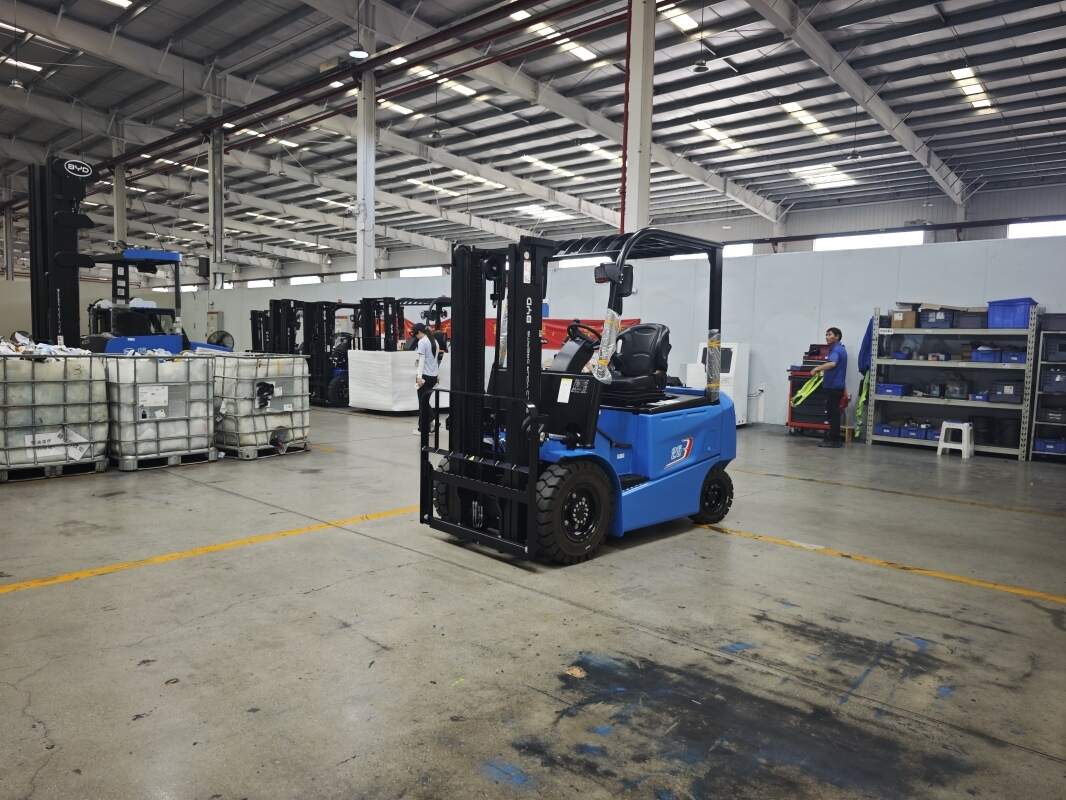
Against the background of growing demand for low-carbon and low-noise industrial operations, electric forklifts have gradually become the mainstream choice for indoor and semi-outdoor material handling scenarios across the logistics industry, manufacturing sector and retail distribution centers. Different from traditional fuel-powered handling equipment, electric forklifts operate with relatively lower vibration and emission levels, which fit the strict environmental protection requirements of closed production and storage spaces.
Core Advantages of Electric Forklifts in Modern Material Handling
Compared with fuel-driven counterparts, properly operated electric forklifts generate no exhaust emissions during operation, which avoids the hidden health risks of exhaust accumulation for staff working in enclosed warehouses for long hours. The overall noise level of electric power systems is much lower than that of internal combustion systems, which effectively reduces noise pollution in the working environment and improves the overall comfort of long-shift operators. For scenarios with limited access to fuel supply points, the matching charging system of electric forklifts can be installed near the warehouse rest area, which cuts the extra time cost of refueling trips for handling teams.
Standard Daily Operation Specifications for Electric Forklifts
All operators need to complete professional pre-job training before using electric forklifts, and master the basic performance parameters of the equipment before each shift. Before starting operation, operators need to check the remaining power level, the flexibility of lifting and steering components, and the effectiveness of the braking system, to eliminate hidden risks caused by abnormal component status in advance. During the operation process, operators should avoid frequent sharp acceleration and sudden braking, and adjust the running speed reasonably according to the on-site road conditions and the weight of the loaded goods, to prevent the goods from falling off and causing unnecessary property loss. After the daily operation task is completed, operators need to park the equipment in the designated area, turn off the power system completely, and connect the charging device according to the operating instructions if the remaining power is lower than the preset threshold.
Targeted Maintenance Measures to Extend Equipment Service Life
Regular maintenance is a key link to maintain the stable performance of electric forklifts for long-term use. Relevant management personnel can formulate a targeted maintenance plan according to the actual usage frequency of the equipment, and regularly inspect the wear status of the power battery, walking motors and circuit connecting lines. It is not recommended to store the equipment for a long time with zero remaining power, which may affect the overall cycle life of the power system. When cleaning the surface of the equipment, operators should avoid using high-pressure water guns to directly flush the electronic control components, to prevent short circuit faults caused by moisture entering the precision parts.
Efficiency Optimization Tips for Daily Logistics Scenarios
To further improve the utilization rate of electric forklifts, the on-site management team can reasonably plan the running path of each forklift according to the distribution of cargo shelves, the location of loading and unloading ports and the daily handling volume. Making reasonable shift arrangements for charging periods during low peak hours of operation can avoid the situation that multiple devices need to be charged at the same time during the peak operation period, which will not cause interruptions to the normal logistics process.


