
 简体中文
简体中文 Русский
 Français
 Português
 Español
 لالعربية

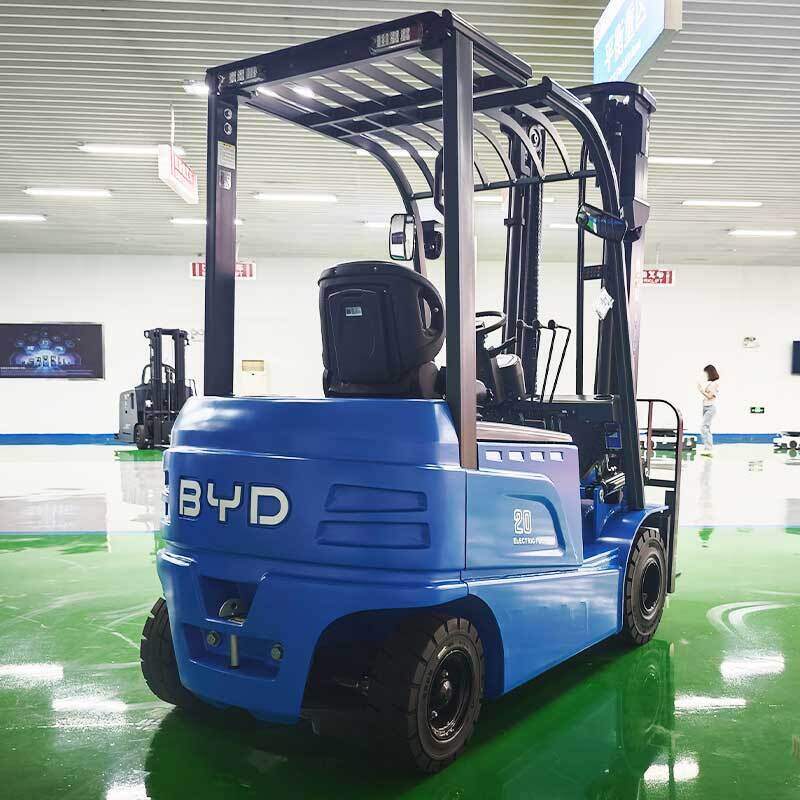
With the wide application of electric forklifts in modern manufacturing, warehouse and logistics scenarios, electromagnetic compatibility (EMC) has become a non-negligible indicator that relates to both equipment operation stability and overall on-site production safety. Many factory managers often focus on parameters such as load capacity, battery life and charging efficiency when selecting and using electric forklifts, while ignoring the potential risks caused by EMC defects, which may lead to unnecessary operation failures and production interruption.
The definition of electric forklift EMC in factory scenarios covers two core dimensions: on one hand, the electric forklift will not generate excessive electromagnetic radiation to interfere with the normal operation of other sensitive industrial equipment in the plant, including automated production lines, wireless sensing systems, AGV scheduling platforms and on-site safety monitoring devices. On the other hand, the electric forklift itself has enough anti-interference ability to resist the electromagnetic signals emitted by other industrial equipment in the surrounding environment, to ensure that all operation instructions such as steering, lifting, braking and speed adjustment can be responded accurately without misoperation or response delay.
There are various electromagnetic interference sources in conventional factory environments, including high-frequency welding equipment, high-power heating devices, mobile communication base station signal transmission facilities, and high-voltage power distribution rooms. For factories that have arranged a large number of automated intelligent devices, the signal density of the working environment is much higher than that of traditional warehouses, which puts higher requirements on the EMC performance of electric forklifts. Unqualified EMC performance may cause abnormal flicker of the instrument panel, unexpected stop of the driving system, or failure to receive remote scheduling instructions, which will bring hidden dangers to on-site operation.
Factory operators can follow several practical principles to manage electric forklift EMC related issues. During the equipment procurement phase, confirm that the products meet the local mandatory EMC standards for industrial electric handling equipment. Do not modify the original electrical system of the electric forklift without authorization, including privately installing non-original additional electrical devices such as on-site positioning terminals, extra warning lights and external monitoring screens, as these modifications may damage the original electromagnetic shielding structure of the equipment and reduce its anti-interference performance.
In daily operation and maintenance, arrange regular inspection on the shielding layer of the electric forklift’s electrical cabin, the sealing state of each wiring interface, to avoid the performance degradation of EMC related components caused by long-term dust accumulation and vibration wear. For special operation areas with high electromagnetic radiation intensity in the plant, carry out pre-operation function tests before formal work, to confirm that all operation modules of the forklift can work normally. Standardized EMC management helps to maintain the long-term stable operation of both electric forklifts and the whole factory’s industrial system.


