
 简体中文
简体中文 Русский
 Français
 Português
 Español
 لالعربية

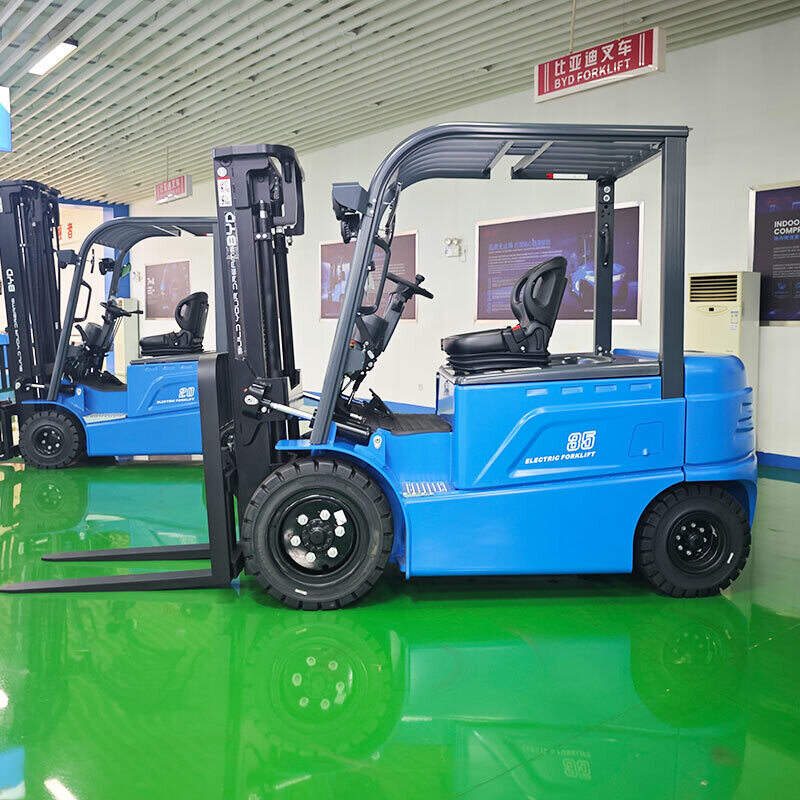
The hydraulic system is one of the core functional components that support the normal operation of electric pallet trucks, and its stable performance directly affects the overall use experience and operation reliability of the equipment in daily logistics scenarios. Unlike the mechanical transmission structure of manual pallet handling equipment, the integrated hydraulic design of electric pallet units can convert the output force of the drive motor into stable and controllable pressure energy, to complete the load handling actions that meet actual operation requirements.
The first core function of the hydraulic system is to realize efficient power transmission between the power module and the executing end of the equipment. When the operator starts the lifting operation command, the hydraulic oil in the sealed oil circuit will be pressurized by the power pump, and the pressure will be transmitted to the end of the lifting cylinder through the orderly flow of the oil circuit. This transmission method can avoid the power loss caused by the friction of multi-stage mechanical gears, and keep the output force stable when the equipment bears different weight loads within the rated load range.
The second core function is to achieve precise adjustment of the load lifting and lowering process. The built-in flow distribution valve in the oil circuit can adjust the flow rate of hydraulic oil entering and exiting the cylinder according to different operation commands, so as to control the moving speed of the lifting fork. Operators can adjust the action rhythm flexibly according to the stacking height of goods and the spacing of operation channels, to avoid the impact of sudden acceleration or deceleration of the fork on the stability of the loaded goods.
The hydraulic system is also equipped with a complete set of passive safety protection functions to reduce operation risks. The built-in pressure relief valve will automatically open to release excess pressure when the external load exceeds the rated bearing range, which can prevent structural damage to the cylinder and oil circuit caused by overload. The one-way valve structure in the oil circuit can also lock the position of the lifting fork in time when the equipment suddenly loses power, to avoid the accidental falling of goods caused by the instant loss of support force.
In addition, the optimized hydraulic system structure can realize reasonable matching with the energy output of the whole equipment. The low-resistance oil circuit design can reduce unnecessary power consumption in the process of hydraulic oil circulation, so that the electric energy stored in the power battery can be more used in the actual load handling link, which helps to extend the single continuous working time of the equipment within the allowable technical range. In the later daily use process, operators only need to check the sealing performance of the oil circuit and the quality of the hydraulic oil regularly, to keep the hydraulic system in good working condition for a long time.


