
 简体中文
简体中文 Русский
 Français
 Português
 Español
 لالعربية

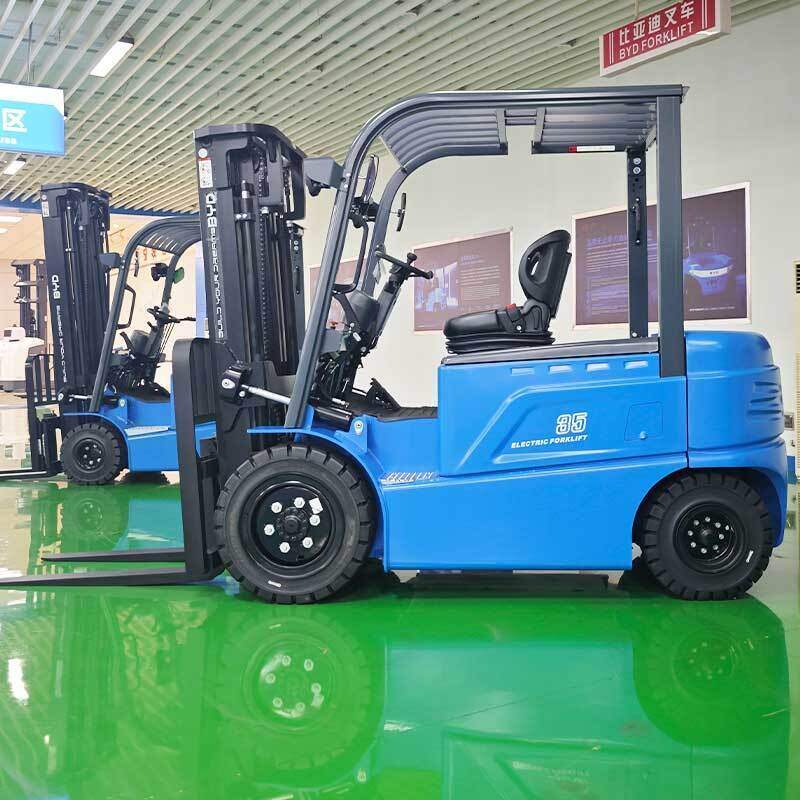
First of all, small-size warehouse operators need to complete full scenario demand sorting before launching formal research on electric handling solutions. Most small-size warehouses are used as e-commerce front positions, community retail backup storage or small batch raw material storage for processing workshops, with total operating area usually ranging from 200 to 1000 square meters. Operators need to count a set of core operation data for 7 consecutive working days, including the average and maximum load of single handling task, the minimum width of operation channels, daily total handling time, ground flatness condition, existence of slope or narrow access, and special protection requirements for stored goods. These first-hand data will serve as the basic benchmark for subsequent solution screening, and avoid mismatching problems that the purchased equipment cannot pass through narrow channels or cannot meet the maximum load demand.
Secondly, it is necessary to build a full-cycle cost evaluation framework instead of only focusing on the one-time procurement price. Except for the initial input of the equipment itself, the total cost also covers the daily power consumption cost, regular battery maintenance expense, wearing parts replacement cost, personnel operation training cost, and relevant management cost that meets local low-carbon operation requirements. You can compare the total input of electric handling solutions in the past 2 to 3 years with the cost of original manual handling or internal combustion handling mode, to get a more objective investment evaluation result.
Thirdly, arrange on-site trial operation and collect feedback from frontline handling staff after primary screening of eligible solutions. Most employees engaged in handling work in small-size warehouses have not received long-term professional forklift operation training, so the ease of operation of the equipment directly affects the actual work efficiency. Arranging 7 to 14 days of actual on-site trial can help operators observe the flexibility of equipment steering, the comfort of long-time operation, and the adaptation to different operation scenarios, so as to avoid decision deviation caused by only referring to product parameter lists.
Finally, make pre-preparation for post-adoption operation optimization. After confirming the suitable electric handling solution, you can plan the dedicated charging area in advance, formulate the daily pre-operation inspection rules for equipment, and adjust the operation scheduling scheme according to the peak period of daily handling tasks, to maximize the utilization rate of electric handling equipment and help the warehouse steadily complete the upgrading of logistics links.


