
 简体中文
简体中文 Русский
 Français
 Português
 Español
 لالعربية

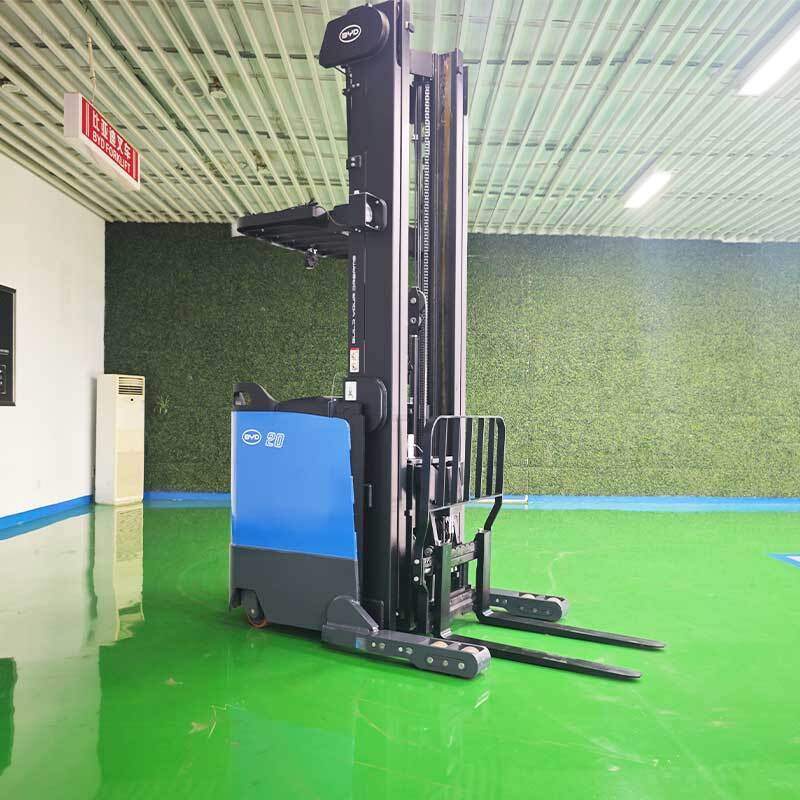
Lithium-ion batteries have become the mainstream power source for modern electric forklifts due to their stable energy output and low daily maintenance demands compared with traditional lead-acid alternatives. Among various environmental factors that affect their long-term operational stability, humidity is often overlooked by fleet managers and on-site maintenance teams, though it acts as a key variable that can alter battery cycle life, safety performance and overall cost of ownership over years of continuous use.
The recommended operating relative humidity range for most standard lithium-ion forklift batteries falls between 40% and 65% under non-condensing conditions. In this stable humidity interval, the internal ion transfer efficiency of the battery maintains at a relatively consistent level, and the outer structural sealing layer, metal connector parts and Battery Management System circuit board can operate without extra erosion risks. Practical operation data shows that batteries working within this standard humidity range can retain more than 80% of their initial capacity after 3000 full charge-discharge cycles under standardized use habits.
When the ambient relative humidity keeps exceeding 70% for weeks or even months, tiny moisture molecules can penetrate the micro gaps of the battery shell sealing structure gradually. The eroded metal tabs and connecting terminals will generate increased contact resistance, which leads to extra heat output during high-current discharge for forklift heavy load lifting operations. In uncontrolled long-term cases, moisture invasion may also accelerate the attenuation of single cell capacity and shorten the overall cycle life of the whole battery pack. Condensed moisture that directly adheres to the battery surface may also cause hidden dangers of extra current leakage when the battery is connected to the charging pile.
While most teams pay more attention to the damage brought by high humidity, extremely dry environments with relative humidity lower than 30% also bring hidden risks for long-term use. Under ultra-dry conditions, the internal diaphragm material of the battery will become more brittle after long-term operation, and the static electricity accumulated on the outer shell surface may interfere with the normal monitoring data of the battery management system, leading to occasional incorrect alerts of remaining power output.
For forklift fleets operating in regions with extreme seasonal humidity changes, simple and practical adjustment measures can effectively mitigate the negative impact of unsuitable humidity conditions. For high-humidity scenarios such as cold storage logistics or coastal port operations, regular visual checks on the sealing structure of the battery pack and metal terminals every two weeks can help discover early signs of corrosion in time. For dry high-altitude or northern indoor heating workshops in winter, deploying reasonable humidity adjustment equipment in the charging and storage area of batteries to keep the surrounding environment within the recommended range is a cost-effective solution. These targeted operations can effectively extend the full service life of lithium-ion forklift batteries, reduce unnecessary replacement cost, and ensure the continuous stable operation of the whole material handling fleet.


