
 简体中文
简体中文 Русский
 Français
 Português
 Español
 لالعربية

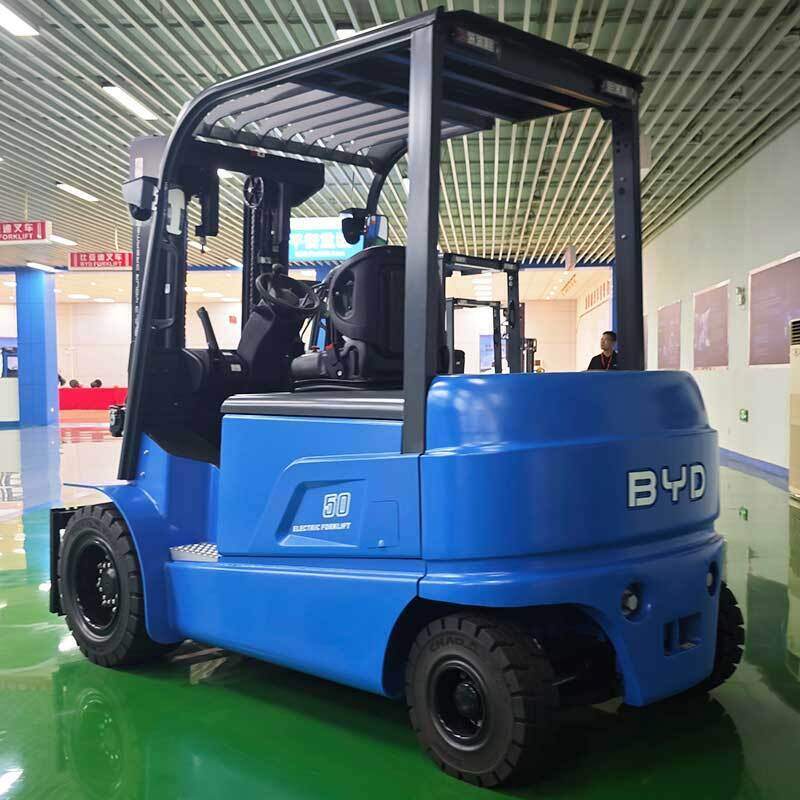
Many enterprises will face deviation between the purchased forklift equipment and actual operation after bulk procurement, which usually roots in unclear demand sorting before docking with manufacturers. A systematic demand confirmation process can effectively avoid unnecessary cost loss, and help enterprises obtain equipment solutions that fully match their daily operation scenarios.
The first step is to complete a full-range working condition survey covering all material handling scenarios in daily operation. You need to record the average and maximum load weight of goods to be transported, the average one-way handling distance, the minimum width of operation channels, the proportion of ramp sections in the plant area, daily continuous operation duration, existing charging supporting conditions, and special environment requirements such as dust-proof, low-temperature resistance if involved in specific working scenarios. All these data should come from actual on-site statistics rather than rough subjective estimation.
The second step is to calculate the actual demand of operation efficiency with reference to peak operation data. Sort out the peak value of daily goods handling volume, pallet transfer times, and truck loading and unloading throughput in the past 6 to 12 months, reserve a reasonable elastic redundancy of no more than 10% for the possible peak fluctuation of operation, and confirm the maximum load capacity of the existing on-site operation team and after-sales maintenance team, so as to avoid excessive procurement leading to high equipment idle rate and overloaded maintenance work.
The third step is to align the medium and long-term operation planning requirements. Sort out the planned storage expansion, new business lines and material type adjustment plans in the next 2 to 3 years, and synchronize these forward-looking demands to the manufacturer in the early stage of procurement communication. All these confirmed demand information can help the manufacturer adjust the equipment configuration and after-sales service scheme in a targeted manner, so as to avoid the situation that the purchased equipment cannot adapt to the new operation demand in a short service cycle. After completing the above demand sorting, you can conduct more efficient communication with manufacturers, and finally obtain a cost-effective procurement solution that matches the full life cycle of equipment operation.


