
 简体中文
简体中文 Русский
 Français
 Português
 Español
 لالعربية

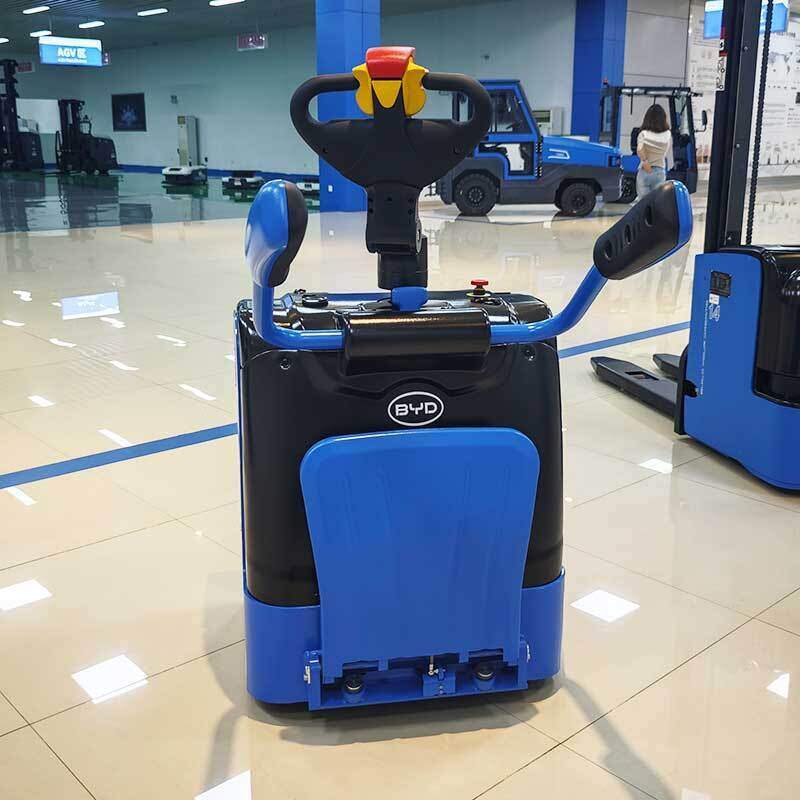
As lithium-ion powered forklifts are widely applied in modern logistics, manufacturing and warehouse scenarios, completing a systematic, comprehensive preliminary study before formal equipment deployment is the essential prerequisite to reduce subsequent operational hidden dangers, avoid unnecessary cost loss and guarantee on-site personnel and property safety. No blind promotion of equipment use without completing full risk investigation in advance.
The first core risk point to notice is the lithium battery system and whole vehicle performance matching verification. It is not advisable to make selection decisions only referring to nominal parameters marked on product brochures. Investigators need to simulate actual daily working conditions, test the real charge and discharge cycle performance under local conventional ambient temperature, check the matching degree between the equipment load capacity and the heaviest regular handling goods in the site, verify that the built-in battery protection system can make correct and effective response under overcharge, short circuit and continuous high load operation scenarios. Continuous simulated test for no less than 72 hours is recommended to record all abnormal data references for subsequent optimization.
The second key risk point is site environment adaptation investigation. For special scenarios such as low-temperature cold storage, workshop with floating flammable dust, high-density narrow aisle storage area, investigators need to confirm whether the selected lithium-ion forklift can meet the corresponding site safety management requirements in advance. During the survey process, workers need to check whether the planned charging reserved area has sufficient ventilation space and matching fire protection configuration, check whether there are hidden collision blind areas between the equipment operation path and shelves, personnel activity areas, and record all environmental parameters as important basis for final model selection.
The third important risk point is operation and maintenance supporting condition assessment. The preliminary study needs to confirm whether on-site existing operators can obtain complete and standardized lithium forklift operation safety training in time, check whether the enterprise has formulated clear daily patrol inspection specifications, regular maintenance processes, and targeted emergency response plans for abnormal battery status in advance. It is not allowed to arrange untrained personnel to contact or test the equipment before all supporting preparation work is fully completed.
The fourth non-negligible risk point is local compliance requirement verification. The research team need to sort out relevant local industrial safety management regulations, special material handling equipment access standards, confirm that all performance parameters and configuration of the selected lithium forklift meet all mandatory regulatory requirements. Skipping the compliance verification link will bring unnecessary hidden safety and management risks for subsequent long-term operation. After checking and confirming all the above risk points, enterprises can make more scientific and reasonable lithium-ion forklift deployment decisions to create stable, safe and efficient on-site logistics operation conditions.


