
 简体中文
简体中文 Русский
 Français
 Português
 Español
 لالعربية

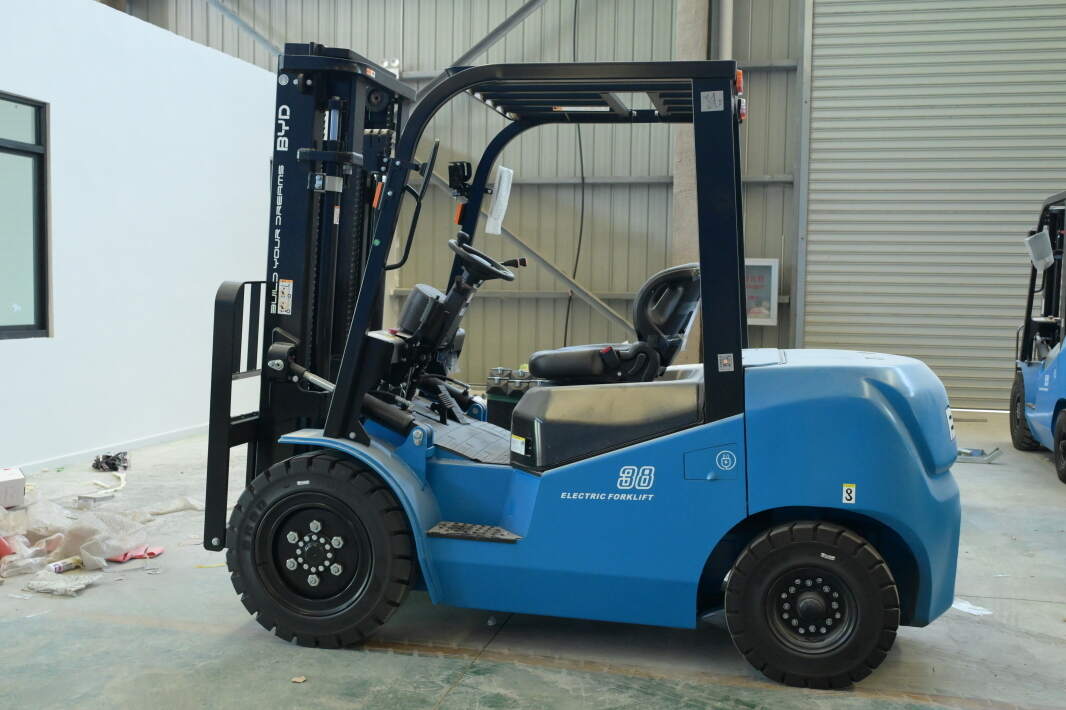
Nowadays, an increasing number of warehouse operators are considering replacing traditional internal combustion forklifts with electric counterparts to pursue more stable operation experience and lower long-term operating expenditure. However, blind transition without systematic assessment may lead to mismatched operation effect and unexpected extra cost, which will hinder the normal material handling workflow. It is necessary to carry out multi-dimensional evaluation in advance to guarantee a smooth transition.
The first core evaluation dimension is actual operational demand matching. Operators need to sort out full details of daily warehouse operations first, including average daily working hours, maximum regular load weight, average passage width, slope distribution inside and outside the warehouse, and special operating scenarios such as cold storage or low-temperature rooms. Different models of electric warehouse forklifts have different parameters in battery life, rated load, body size and low temperature resistance, only by aligning the equipment parameters with actual demand can operators avoid unnecessary resource waste caused by over-specification, or frequent shutdown and delay of work schedules caused by insufficient battery life.
The second key evaluation item is full life cycle total ownership cost accounting. Instead of only comparing the one-time initial purchase price, operators need to make a comprehensive comparison between the cost of new electric forklift fleets and the existing internal combustion forklift fleets. The calculation scope should cover daily energy consumption expenditure, regular maintenance cost, battery attenuation cost, residual value of equipment at the end of service life, and available local preferential policies for low-carbon logistics equipment, to calculate the accurate payback period of the transition project, and ensure that the whole project is within the budget range.
The third non-negligible evaluation part is on-site supporting infrastructure compatibility. Operators need to check the existing power supply capacity of the warehouse area first, confirm whether the current circuit load can support the normal charging demand of the new electric forklift fleet, and evaluate the available space for setting up dedicated charging areas. For warehouses that implement two-shift or three-shift intensive operations, operators also need to evaluate the necessity of setting up quick charging points to support opportunity charging between shifts, and check the fire safety configuration of battery storage areas to meet relevant safety specifications.
The last evaluation dimension is personnel operation and compliance adaptation. The operation logic of electric forklifts is slightly different from that of traditional internal combustion forklifts, operators need to assess the skill level of existing forklift drivers to confirm whether targeted operation training is required after the equipment is in place. Besides, operators need to sort out the local regulatory requirements for industrial electric vehicles in the workplace, including registration requirements, regular inspection specifications and safety operation rules, to make sure the whole fleet operation is fully compliant.
After completing the above systematic evaluation, warehouse operators can arrange the transition plan according to actual situation, realize stable improvement of material handling efficiency, reduce long-term operating cost gradually, and keep pace with the low-carbon development trend of logistics industry.


