
 简体中文
简体中文 Русский
 Français
 Português
 Español
 لالعربية

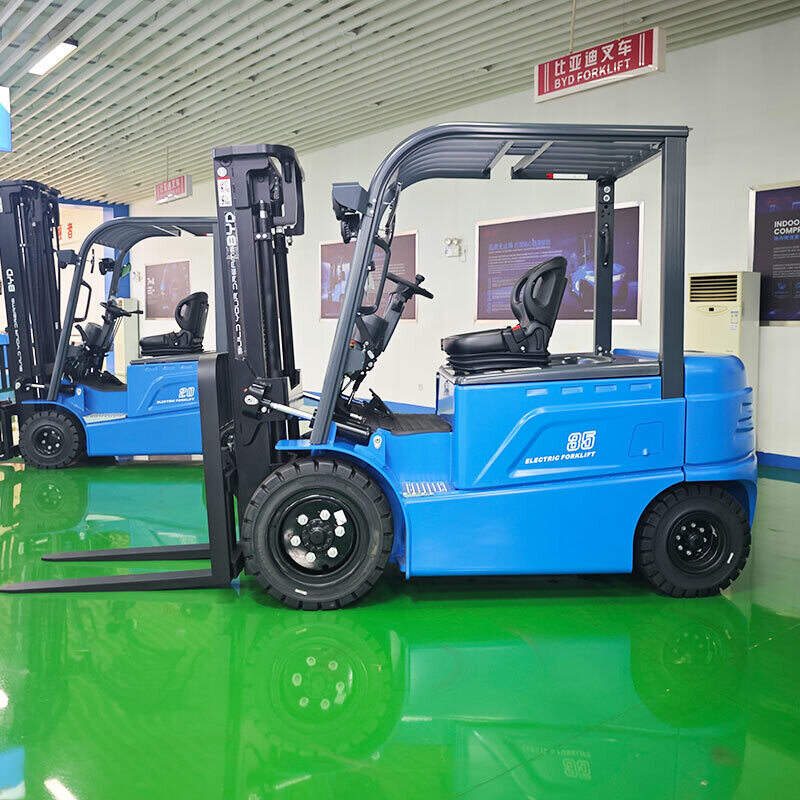
As the core power component of modern electric forklifts, lithium batteries have gradually replaced traditional lead-acid batteries in most industrial scenarios, and different lithium battery variants show distinct performance characteristics due to different cathode material formulas. For logistics and manufacturing enterprises that need to configure power systems for handling equipment, understanding the basic objective facts of different lithium battery types can help them make more reasonable battery selection decisions that match their actual operation demands.
First, the basic difference in chemical composition. LiFePO4 uses lithium iron phosphate as the main cathode material, while other common lithium battery variants usually use nickel-cobalt-manganese ternary materials, lithium manganate or lithium cobalt oxide as cathode raw materials. The molecular structure of LiFePO4 has relatively stable oxygen bond binding force, which is different from the relatively active chemical structure of other lithium battery variants that contain a high proportion of cobalt or nickel elements. This inherent structural difference lays a different foundation for subsequent performance expression.
Second, the objective fact of safety performance. Under standard test conditions, the thermal runaway trigger temperature of LiFePO4 is significantly higher than that of most other common lithium battery variants. In daily industrial forklift operation scenarios, facing accidental piercing, short-term overcharge, or continuous high-load discharge, LiFePO4 will not release a large amount of flammable gas in a short time, which reduces the hidden safety risks for high-density storage areas and personnel-intensive operation sites.
Third, the performance rule of cycle life. Under the standard 1C charge and discharge test environment, the number of full charge-discharge cycles that LiFePO4 can withstand is several times higher than that of most other common lithium battery variants. Its capacity attenuation curve shows a relatively gentle trend in the early and middle stages of use, and will not drop to the lower limit of the available capacity in a short period of time. This characteristic is more suitable for the high-frequency continuous operation demand of multi-shift electric forklifts in large logistics warehouses.
Fourth, the characteristic of temperature adaptability. LiFePO4 can maintain a relatively stable discharge efficiency in the wide temperature range from minus 20 degrees Celsius to 60 degrees Celsius. Other partial lithium battery variants show more obvious capacity attenuation in low temperature environment below minus 10 degrees Celsius, and the capacity decay rate will accelerate significantly when working in high temperature environment above 50 degrees Celsius for a long time.
Fifth, the whole life cycle cost characteristics. The initial unit procurement cost of LiFePO4 is slightly higher than some other lithium battery variants, but its maintenance demand in daily use is low, no regular water replenishment or electrolyte detection is required, and the total service life is longer. From the perspective of full life cycle calculation, its total use cost is relatively better than many other lithium battery variants for electric forklift scenarios. It is worth noting that different lithium battery variants have their own suitable application scenarios, and enterprises can make targeted configuration according to their actual operation conditions.


