
 简体中文
 Русский
 Français
 Português
 Español
 لالعربية


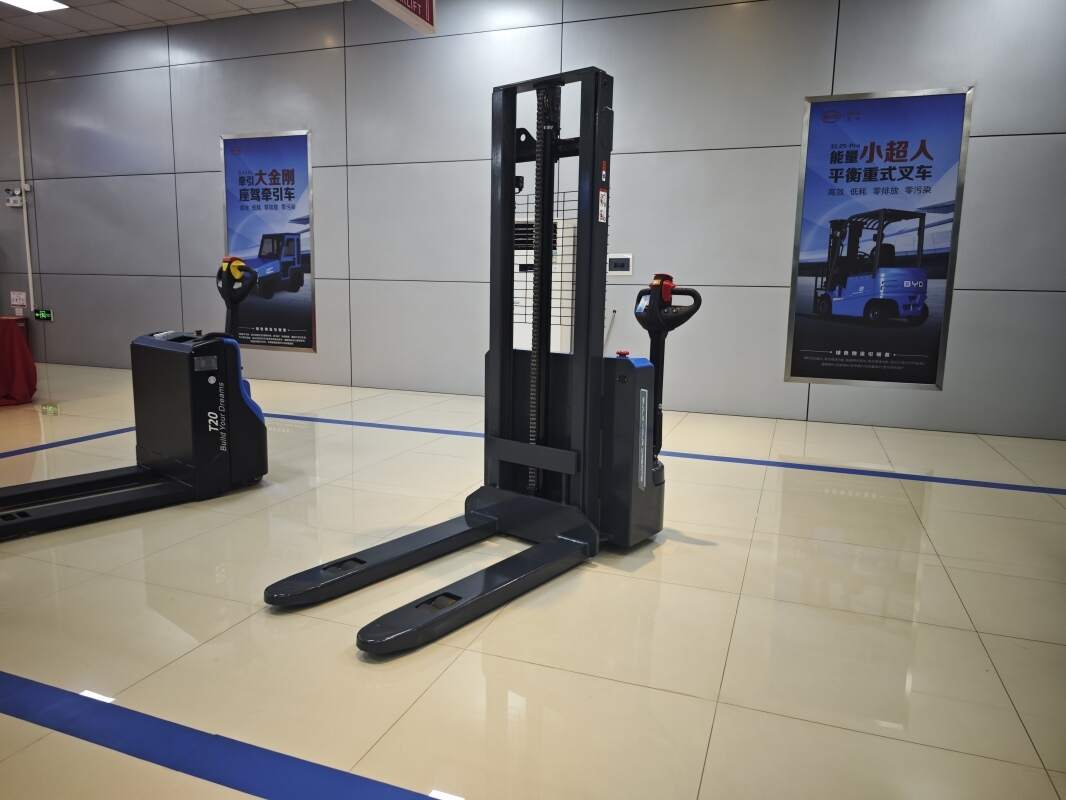
As low-carbon logistics and fine warehouse management concepts gain wider popularity across the material handling sector, electric forklifts have gradually become a core equipment choice for most indoor and low-emission required operation scenarios. Mastering the core operation and maintenance rules of this equipment can help operators reduce unnecessary component wear, improve operation stability and extend the overall service cycle of the machine.
Basics of Standardized Daily Operation
Before starting any formal operation, operators need to complete full pre-shift checks including power level confirmation, brake system sensitivity test, fork deformation inspection and warning light status verification. During the operation process, operators need to keep appropriate driving speed according to site road and personnel flow conditions, avoid sharp turn and sudden brake when carrying fully loaded goods, and keep the load center within the allowable range marked on the equipment nameplate to avoid side tilt or accidental drop of goods. For narrow aisle operation scenarios, operators need to reserve enough safety distance between the vehicle body and surrounding shelves or passing personnel to reduce unnecessary collision risks.
Routine Maintenance Points to Reduce Unplanned Downtime
Different from traditional internal combustion forklifts, electric forklifts focus more on the maintenance of power system and electrical components. Operators need to clean the surface dust and sundries of power modules after each shift, avoid using high-pressure water to directly flush the electrical connection parts to prevent short circuit caused by moisture. Regularly check the connection tightness of power interface, replace the aging insulating parts in time, and follow the official recommended charging specifications to complete the charging process, avoid long-term overcharge or full power depletion which may cause irreversible damage to the power battery. The walking motor and hydraulic lifting system also need regular lubrication and wear inspection to keep the operation noise and working performance within the normal range.
Scenario Adaptation and Efficiency Optimization Suggestions
Different operation scenarios have different performance requirements for electric forklifts. For long-time continuous operation scenarios, users can arrange reasonable shift handover and charging schedule to avoid operation interruption caused by insufficient power. For low-temperature operation environments, pre-heat the power system properly before starting the equipment to ensure the output performance meets the actual operation demand. Operators can also match the appropriate functional attachment according to the actual goods type, to expand the applicable scope of the equipment and improve the overall material handling efficiency of the warehouse.


