
 简体中文
 Русский
 Français
 Português
 Español
 لالعربية


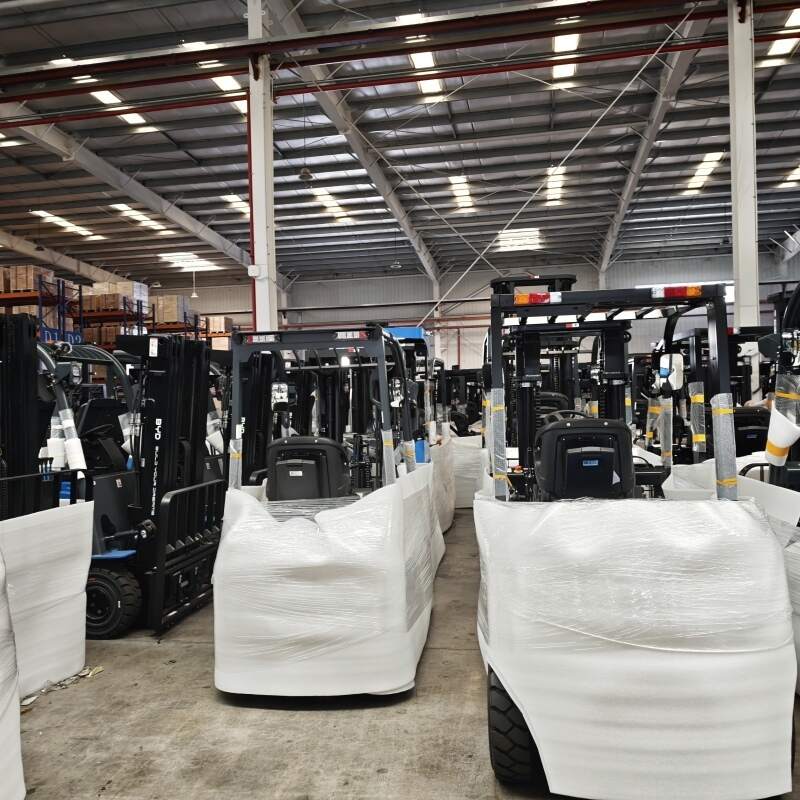
With the rapid development of low-carbon logistics and smart warehouse construction, electric forklifts have become one of the most widely used material handling equipment in enclosed operation scenarios in recent years. Many warehouse operators hope to maximize the use value of such equipment through standardized operation and reasonable maintenance, to match their daily high-frequency material handling demands.
Core Operational Advantages of Modern Electric Forklifts
Compared with traditional internal combustion counterparts, modern electric forklifts produce no tail gas emission during the whole operation process, which meets the environmental control requirements of enclosed storage spaces such as food warehouses, pharmaceutical storage centers and e-commerce sorting stations. The overall noise level during operation is controlled at a relatively low range, which will not cause excessive noise interference to on-site operators working for consecutive long hours. Most of the operation modules are designed with humanized operation logic, so new operators can get familiar with basic operation steps after a short period of systematic training.
Key Daily Maintenance Tips to Extend Equipment Service Life
Routine maintenance work does not require overly complex professional operations, and front-line management personnel can complete most of the inspection work before daily startup. The first step is to check the remaining power status of the power system, and confirm that the connection points of the power supply module are free of obvious dirt or loose contact. Then operators need to check the flexibility of the gearing system and the wear condition of the tire surface, to avoid hidden dangers caused by excessive component wear in long-time high-intensity operation. After the daily operation is completed, the equipment should be parked in the designated special area, and the power supply should be turned off steadily to avoid unnecessary power loss.
Safety Compliance Standards for On-site electric forklift Use
Operators need to strictly follow the load limit rules marked on the equipment nameplate during the operation process, and do not handle goods that exceed the rated load for a long time. When the equipment is driving in the warehouse passage, it is necessary to keep a safe distance from surrounding storage racks and passing staff, and reduce the driving speed appropriately when turning or passing the intersection of the passage. For long-distance transfer operations across different warehouse areas, operators should make advance route planning to avoid passing through areas with a large number of pedestrians or stacked sundries. Standardized operation and regular maintenance can help the electric forklift maintain a stable working state for a long time, and bring more stable support for the daily material handling work of the warehouse.


