
 简体中文
简体中文 Русский
 Français
 Português
 Español
 لالعربية

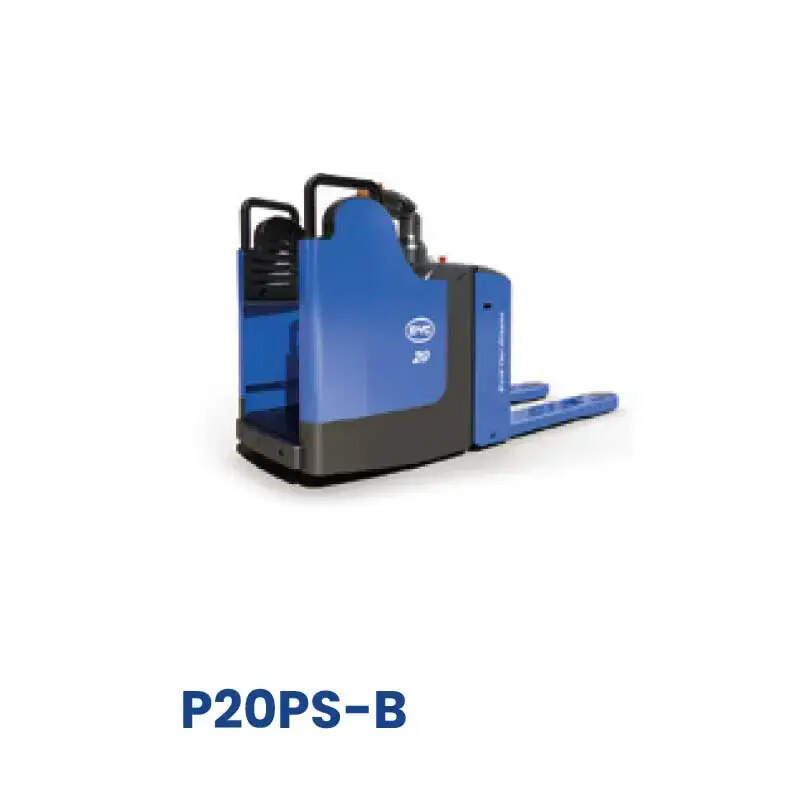
As the modern logistics and warehousing industry continuously pursues low-carbon and low-cost operation modes, electric forklifts have become one of the most widely applied material handling equipment for indoor closed operation scenarios in recent years. Many frontline operators and warehouse managers still lack systematic cognition of correct use and maintenance methods, which easily causes unnecessary equipment loss and hidden safety risks in daily operations.
Core Operation Norms for Daily Electric Forklift Use
Before starting each operation, operators need to complete basic inspection on key components including braking system, remaining power, light and warning devices to confirm no abnormal status. During the moving process, operators should control the driving speed matching the on-site scenario conditions, keep sufficient safety distance with surrounding personnel and storage racks in narrow channels. When carrying lifted goods, avoid sudden steering or emergency braking actions, do not exceed the rated load capacity marked on the equipment specification, and place the cargo side facing the upward direction when driving on sloped roads to prevent goods from slipping.
Routine Maintenance Points to Extend Service Life
After finishing the daily operation task, wipe off the dust and residual cargo debris attached to the vehicle body and working arm, check the contact position of the power unit to confirm no corrosion or oxidation phenomenon, and arrange charging work according to the remaining power proportion to avoid long-term over-discharge that affects the overall battery performance. It is suggested to arrange regular inspection on the sealing performance of the hydraulic lifting system, the wear degree of solid tires, and the sensitivity of each control component, and do not store the equipment in high temperature or high humidity environment for a long time to avoid accelerated aging of internal electronic components.
Scenario Matching Tips to Improve Operation Efficiency
For different warehouse layouts, operators can adjust the vehicle operation mode to match the actual channel width and cargo stacking height requirements. For the scenarios with high-frequency continuous operation, the management team can arrange staggered charging schedules to avoid the situation of insufficient power supply during peak working hours, and organize regular standardized skill training for all operating personnel to reduce misoperation actions that cause extra consumption of equipment, so as to give full play to the use value of electric forklifts in daily material handling work.


