简体中文
 Русский
 Français
 Português
 Español
 لالعربية


In recent years, the steady growth of warehousing, manufacturing, port logistics and agricultural processing industries in Bo region has driven continuous rising demand for four-wheel forklifts for on-site material handling. For most operation managers, the choice between diesel-powered and electric four-wheel forklifts has always been a core decision related to long-term operation expenditure, and a clear sorting out of full-cycle cost composition can effectively avoid unnecessary extra cost input in the later stage.
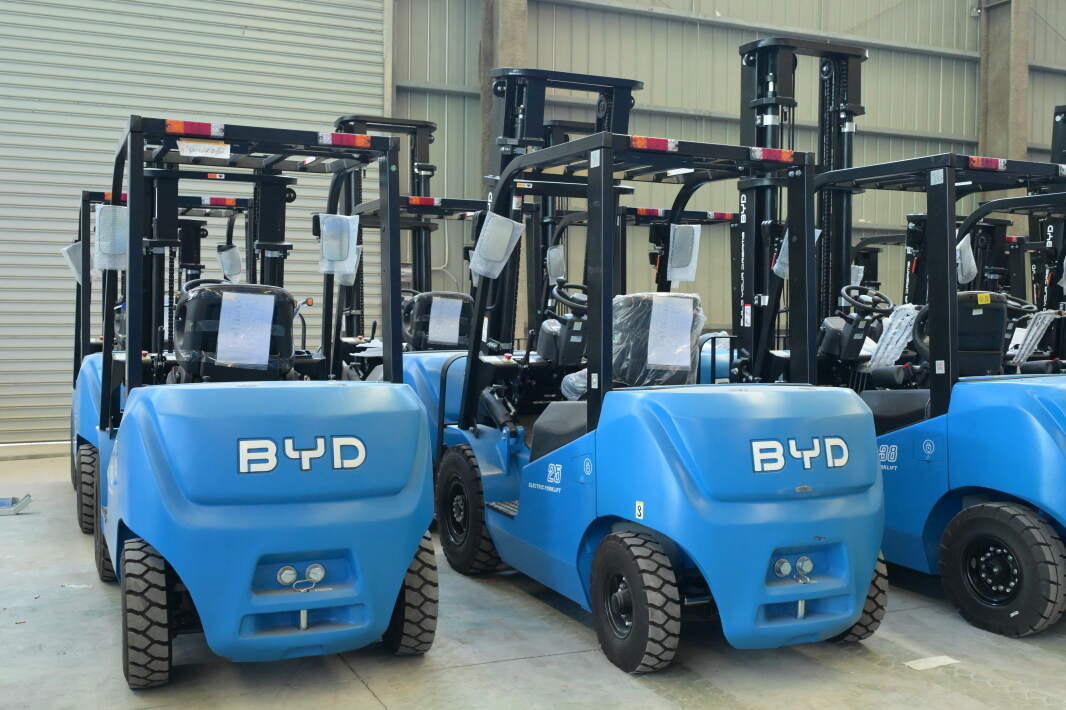
From the perspective of initial procurement cost, the gap between the two types of products has been narrowed significantly with the maturity of new energy forklift manufacturing system. In the past, the initial purchase price of diesel four-wheel forklifts was at a relatively low level, but with the large-scale popularization of lithium battery systems for industrial handling equipment, the initial cost of qualified electric four-wheel forklifts is no longer far higher than that of diesel products with the same load capacity.
When counting the operating costs in daily operation stage, the difference between the two types of forklifts becomes more obvious. Affected by the fluctuation of local refined oil prices in recent years, the fuel cost of diesel forklifts accounts for more than 60% of total daily operation cost for most enterprises that run forklifts for more than 4 hours a day. In addition, diesel forklifts need regular maintenance of internal combustion related components, including engine oil replacement, fuel filter replacement, exhaust system debugging and other items, and the annual maintenance expenditure accounts for a high proportion of the operation budget.
For electric four-wheel forklifts, the power consumption cost per unit working hour is far lower than the fuel cost of diesel models, calculated at local industrial electricity price. There is no internal combustion engine structure inside the equipment, so there is no need for regular replacement of engine oil and related fuel system accessories, and the daily maintenance only needs to check the battery status, brake system and tire wear regularly, and the annual maintenance cost can be controlled at a very low level. Counting the total cost of ownership for 3 to 5 years of normal use, the comprehensive cost input of electric four-wheel forklifts is significantly lower than that of diesel products of the same specification.
In addition, the zero-emission and low-noise operation characteristics of electric forklifts can also help local enterprises meet increasingly strict environmental protection operation requirements, and avoid additional compliance costs caused by exhaust emission restrictions in enclosed operation scenarios such as indoor warehouses. Jian Shu New Energy, a professional new energy forklift service provider, focuses on providing high-quality electric forklift matching services for local customers. If you have relevant demand for forklift cost accounting and product consultation, please send an email to [email protected] for further communication.