
 简体中文
 Русский
 Français
 Português
 Español
 لالعربية


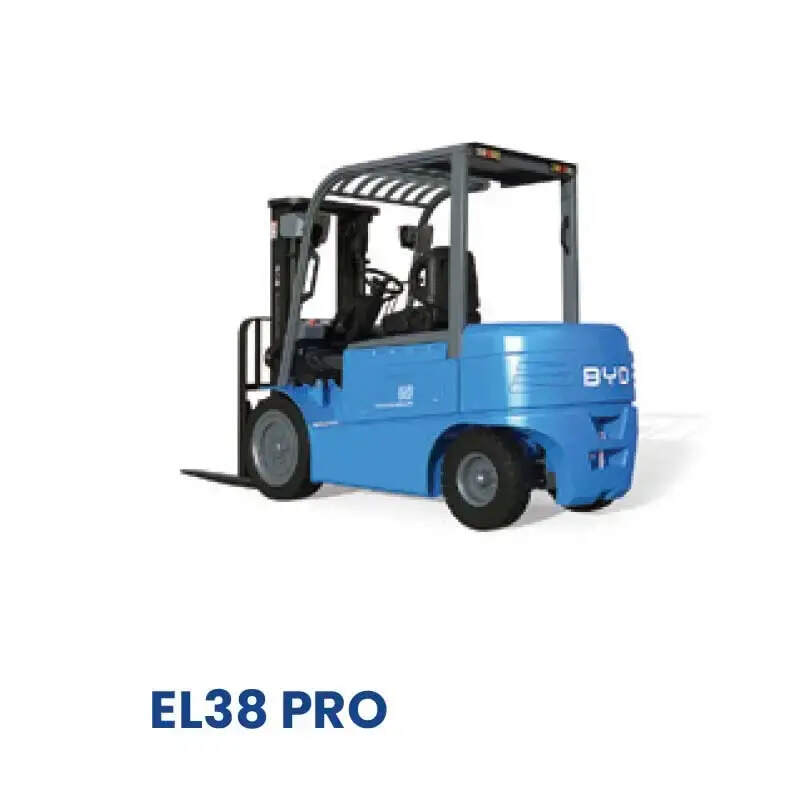
As low-carbon logistics and warehouse management develops rapidly in recent years, electric forklift has become one of the most widely applied material handling equipment across different industrial scenarios, grasping correct operation and maintenance knowledge can help operators give full play to the equipment’s advantages while reducing unnecessary operating cost.
Basic Operation Specifications for Daily Usage
Before starting any operation, operators need to conduct pre-shift inspection covering remaining battery level, braking system sensitivity, hydraulic component sealing condition and surrounding working environment, avoid overloading beyond the rated load limit to prevent sudden component failure. When the equipment is in moving status, operators need to keep stable driving speed, keep safe distance with surrounding pedestrians and stacked goods, avoid sharp turning on sloped surfaces or uneven ground, to reduce side slipping or goods falling risks. Operators are also suggested to adjust the goods lifting height properly according to actual road condition, avoid lifting goods to extra high position during moving that will block the front view of operators.
Routine Maintenance Practices to Reduce Unnecessary Wear
The power battery is the core component of electric forklift, users need to follow official charging specifications, avoid long-time overcharging or full discharge to extend the overall battery cycle life, regularly clean the dust and dirt accumulated on electrode contact points to avoid poor power connection. Operators also need to check tire wear condition and hydraulic oil level at fixed intervals, clear the dust blocked on motor heat dissipation holes to avoid overheat during long time continuous operation, wipe the outer surface of the equipment with dry soft cloth after finishing daily work to prevent corrosive material from eroding the shell.
Practical Strategies to Improve Operational Efficiency
Warehouse managers can combine the actual goods placement and storage area layout to plan reasonable forklift driving routes, reduce repeated turning and long-distance empty driving time to lower unnecessary power consumption. Regular targeted training for new operators can help them get familiar with the equipment’s operation logic quickly, reduce misoperation that may cause extra component wear. Arranging charging work during off-peak electricity period can also help lower long-term operating cost for the whole warehouse, further improve the overall application value of the electric forklift.


