
 简体中文
 Русский
 Français
 Português
 Español
 لالعربية


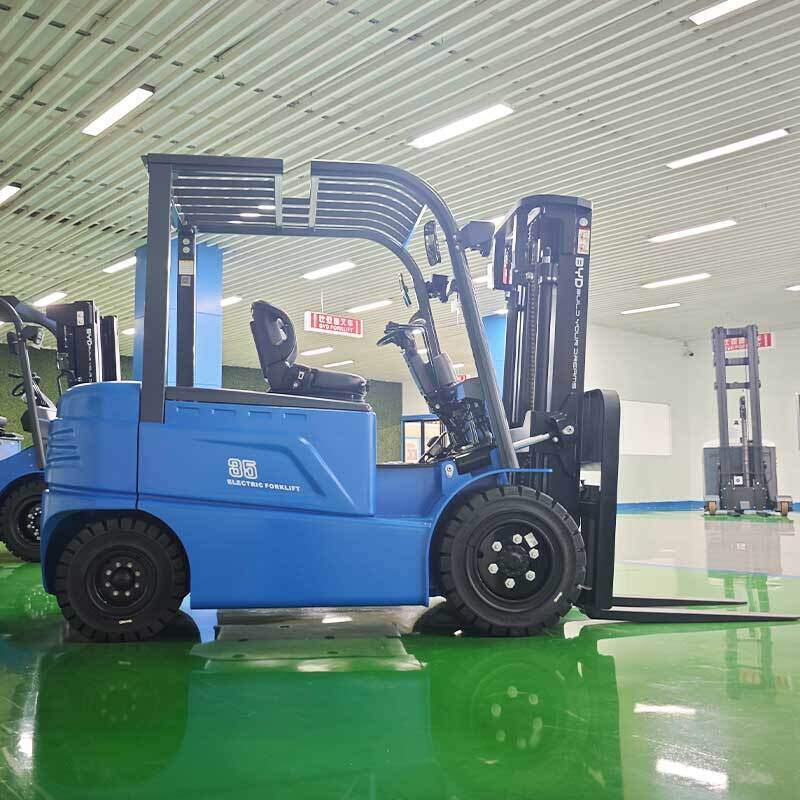
In recent years, the low-carbon transformation of logistics industry has driven the wide application of electric forklifts in various industrial and warehouse scenarios. Many frontline operators and logistics managers still have strong demand for systematic, practical knowledge of using such equipment properly, to tap its full value in daily operation.
Core Functional Advantages of Modern Electric Forklifts
Unlike traditional internal combustion forklifts, electric forklifts produce no on-site exhaust emission during operation, and generate much lower working noise, which makes them highly suitable for enclosed storage spaces, food processing workshops, pharmaceutical warehouses and other scenarios with strict environmental requirements. Its smooth power output also reduces the probability of bumping and damaging fragile or precision goods during the handling process, creating a more stable operation experience for frontline users.
Key Notes for Standard Daily Operation
All operators need to complete standardized safety training before officially using the equipment. It is recommended to perform a full pre-operation check before each shift, covering the braking system, remaining battery level, and wear condition of the forks. Overload operation is not suggested, and drivers should avoid frequent sharp acceleration and sudden braking during long-distance transfer, which can effectively improve battery endurance performance, and reduce unnecessary wear of core moving parts.
Scientific Maintenance Rules to Prolong Service Life
Users should use matched compliant charging devices for daily battery charging, and avoid continuous overcharge or deep discharge status that may damage the battery performance. It is advisable to regularly clear dust and sundries on the vehicle surface, check the tightness of all circuit connection ports, and arrange periodic inspection for power system and steering system according to official recommended maintenance cycles. Timely replace the wearing parts that have reached the wear threshold, so as to prevent small faults from expanding and affecting the normal operation schedule.
Scenario Matching Suggestions for Different Application Needs
Users can select equipment with corresponding parameters according to actual operation scenarios. For narrow aisle high-position storage scenarios, compact body size models can better adapt to limited space. For outdoor flat loading and unloading scenarios, models with higher protection level can perform better in complex weather conditions. Proper scenario matching can maximize the use value of electric forklifts, and cut down redundant energy consumption in daily work.


