
 简体中文
 Русский
 Français
 Português
 Español
 لالعربية


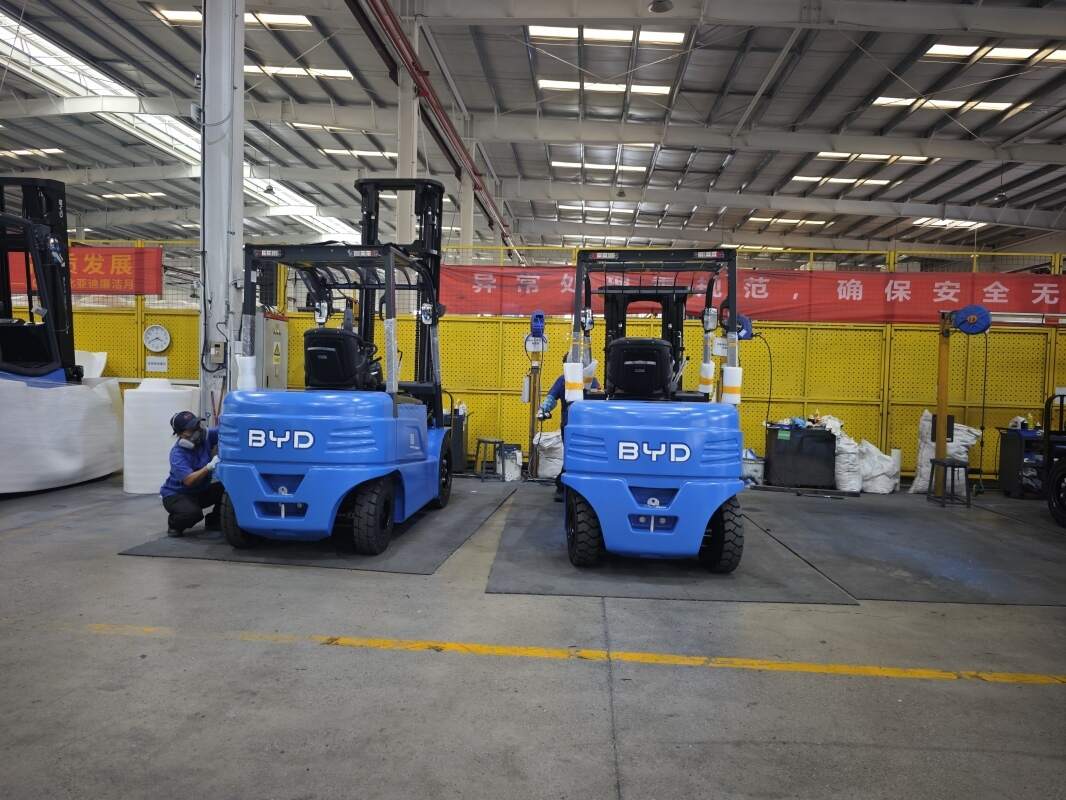
Against the background of low-carbon transformation in the global logistics sector, electric forklifts have gradually become one of the most widely used material handling equipment in closed warehouse scenarios, and mastering correct use and management knowledge can help enterprises get more stable operation returns.
Core Functional Advantages of Electric Forklifts
Different from traditional internal combustion handling equipment, electric forklifts produce no local exhaust emission during operation, and their overall noise level is far lower than fuel-powered counterparts, which avoids disturbing indoor working environment and meets the use requirements of scenarios with high air cleanliness standards, such as food storage, pharmaceutical warehouse and cold chain distribution centers. The overall vibration amplitude of the operation body is relatively low, which effectively reduces the long-term work fatigue of on-site operators, and creates a more comfortable working condition for front-line handling staff.
Standardized Operation Specifications for electric forklift Operators
All operators should receive systematic pre-job skill training before independently using the equipment. Before each shift of operation, staff need to complete a full pre-inspection, including checking the remaining power level, brake sensitivity, tire wear condition and the deformation degree of the loading fork. When carrying heavy loads, operators should avoid sharp steering or sudden acceleration, keep a stable low speed when driving on sloped roads, and never carry extra personnel on the equipment. When parking the equipment for a long time, operators should pull up the handbrake, turn off the total power supply, and lower the loading fork to contact the ground to avoid accidental slipping.
Daily Maintenance Habits to Prolong Equipment Service Life
Regular daily maintenance can effectively reduce unexpected failure rate of electric forklifts. For the core power battery part, users should avoid frequent over-charging and over-discharging, check the electrolyte level of lead-acid batteries at fixed cycles, and keep the surface of the battery shell dry and clean. Operators should also regularly clean up the accumulated dust at the heat dissipation vents of the drive motor, check the tightness of each circuit connection terminal, and prevent oxidation or poor contact of the wiring joints. Once minor abnormal noise or operation lag is found during daily use, relevant staff should conduct troubleshooting in time, and do not run the equipment with hidden faults.
Efficiency Optimization Suggestions for Electric Forklift Scenario Application
Enterprises can select equipment with matching load capacity and body size according to their own warehouse channel width and maximum daily handling weight, to avoid mismatch between equipment performance and actual demand. It is also advisable for warehouse managers to plan reasonable material handling routes in advance, arrange charging schedules in non-peak power consumption periods, and organize regular skill refresh training for operators to reduce unnecessary operation errors, so as to give full play to the use value of electric forklift equipment.


