
 简体中文
简体中文 Русский
 Français
 Português
 Español
 لالعربية

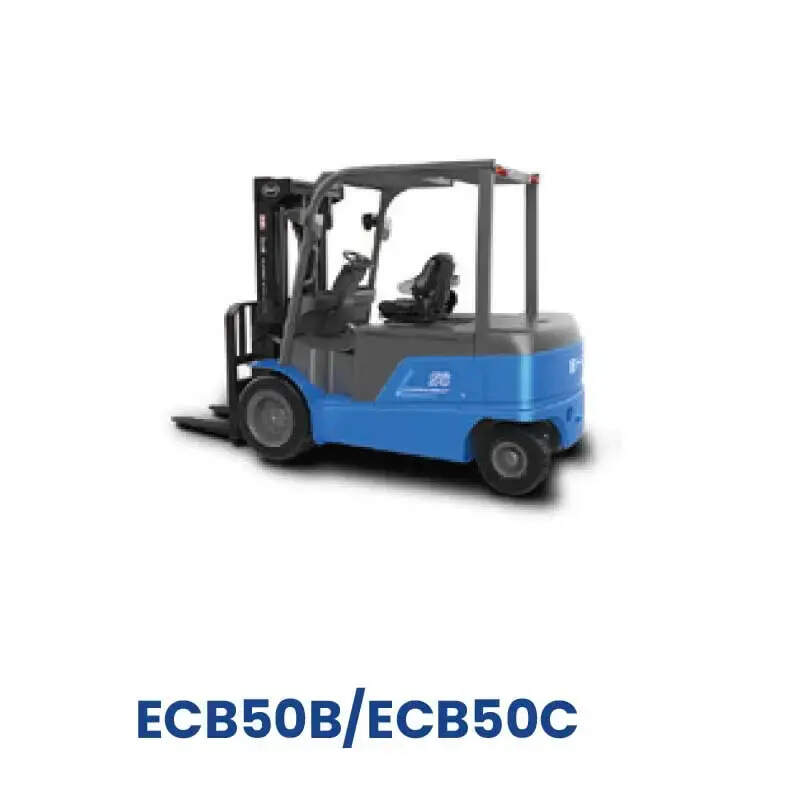
As the low-carbon logistics development trend accelerates globally, electric forklifts have become one of the most widely used material handling equipment in warehouse, manufacturing, and distribution scenarios in recent years. Mastering systematic knowledge of electric forklift use and management can help relevant practitioners improve overall operation efficiency while controlling comprehensive use cost.
Basic Performance Characteristics of Electric Forklifts
Compared with internal combustion counterparts, electric forklifts are mainly driven by on-board power packs, with no exhaust emission during operation, and the overall noise level is kept at a relatively low range, which is more suitable for closed indoor operation spaces. Most current electric forklift models are designed with ergonomic operating handles and adjustable seat structures, which can reduce the physical fatigue of operators during long shifts. The energy consumption cost per unit operation time is far lower than that of fuel-powered equipment, which conforms to the current low-carbon operation requirements of most industrial parks.
Standard Daily Operation Requirements
Before starting each shift, operators need to check the remaining power level of the power pack, the flexibility of the lifting and steering system, and the wear degree of the tire surface, to rule out hidden risks caused by long-term idle of the equipment. During the operation process, operators need to keep the cargo center of gravity within the allowable load range marked on the equipment nameplate, avoid sharp steering and rapid lifting actions when the load is at a high position, and do not allow personnel to stand on the fork arm to perform auxiliary operations. After the daily operation is completed, the equipment should be parked in the designated charging area, the fork arm should be lowered to the horizontal position close to the ground, and the power supply should be cut off before leaving the operation position.
Routine Maintenance Points
Regular cleaning of the dust and sundries accumulated on the surface of the power pack and motor heat dissipation structure can avoid the abnormal temperature rise of the core components during long-time continuous operation. The connecting lines of the whole vehicle should be checked periodically to confirm that there is no looseness or aging of the insulating layer, so as to maintain the stable operation state of the electrical system. The lubrication points of the lifting gantry and steering transmission structure should be supplemented with special lubricant on schedule according to the use frequency, which can reduce the wear of mechanical parts and extend the overall service cycle of the equipment.
Scenario Matching Suggestions
For long-hour continuous operation scenarios such as large-scale distribution centers, users can configure matching backup power packs to realize fast switching and uninterrupted operation. For narrow channel operation scenarios, users can select corresponding models with small body width and flexible steering performance to make full use of the limited warehouse space, so as to improve the overall cargo turnover efficiency.


