
 简体中文
简体中文 Русский
 Français
 Português
 Español
 لالعربية

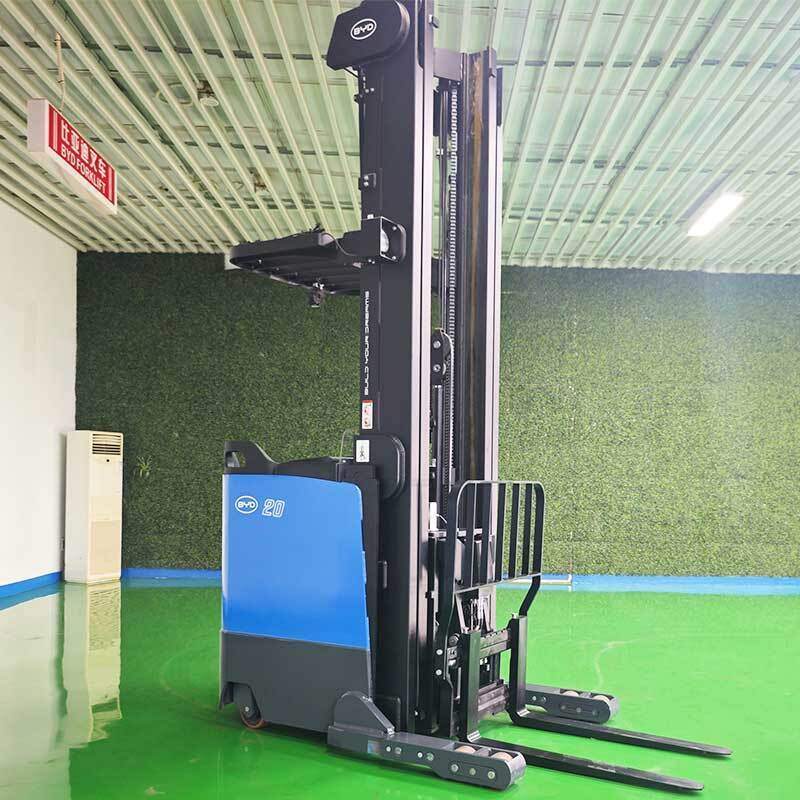
As the logistics and warehousing industry continues to pursue low-carbon operation and high cost performance, electric forklifts have gradually become one of the most widely used material handling equipment in various industrial scenarios. Users who master correct operation and maintenance rules can effectively extend the service life of equipment and reduce comprehensive operation costs in daily applications.
Basic Operation Specifications for Daily Use
Before starting the equipment, operators need to check the surrounding working environment to confirm that there are no obstacles or unrelated personnel in the moving and lifting area, and check the battery power display, brake sensitivity and lifting mechanism flexibility in advance. During the operation process, the load weight should be controlled within the rated load range of the equipment, avoid sharp steering and frequent emergency braking on slippery roads, and keep the goods in the center of the fork as much as possible to avoid the risk of side tipping caused by partial load. When the equipment is parked, the fork should be lowered to a position 10 to 15 cm above the ground, the power supply should be cut off in time, and the hand brake should be pulled to prevent accidental sliding.
Routine Maintenance and Care Tips
Different from internal combustion forklifts, the core energy component of electric forklifts is the power battery, so the daily maintenance of the battery is the key link to maintain the stable performance of the equipment. Users should follow the specified charging process to complete the charging operation, avoid over-discharging the battery for a long time, and regularly check the tightness of the wiring interface to prevent poor contact caused by dust or moisture. In addition, the driving motor, hydraulic oil circuit and wheel wear parts need to be checked regularly every week, the dust accumulation on the surface of the heat dissipation structure should be cleaned, and the lubricating oil should be added to the transmission parts according to the cycle specified in the operation manual to reduce running wear.
Scenario Matching Optimization Suggestions
Electric forklifts have no exhaust emission and low operation noise, which can adapt to enclosed warehouse, food processing workshop, cold storage and other scenarios that have high requirements for environmental comfort. Users can select corresponding parameters such as load weight, maximum lifting height and aisle turning radius according to their actual operation scenarios, to ensure that the equipment can match the existing operation process to the greatest extent. In low temperature operation scenarios, proper preheating before formal operation can reduce the performance loss of the equipment caused by low ambient temperature.


