
 简体中文
 Русский
 Français
 Português
 Español
 لالعربية


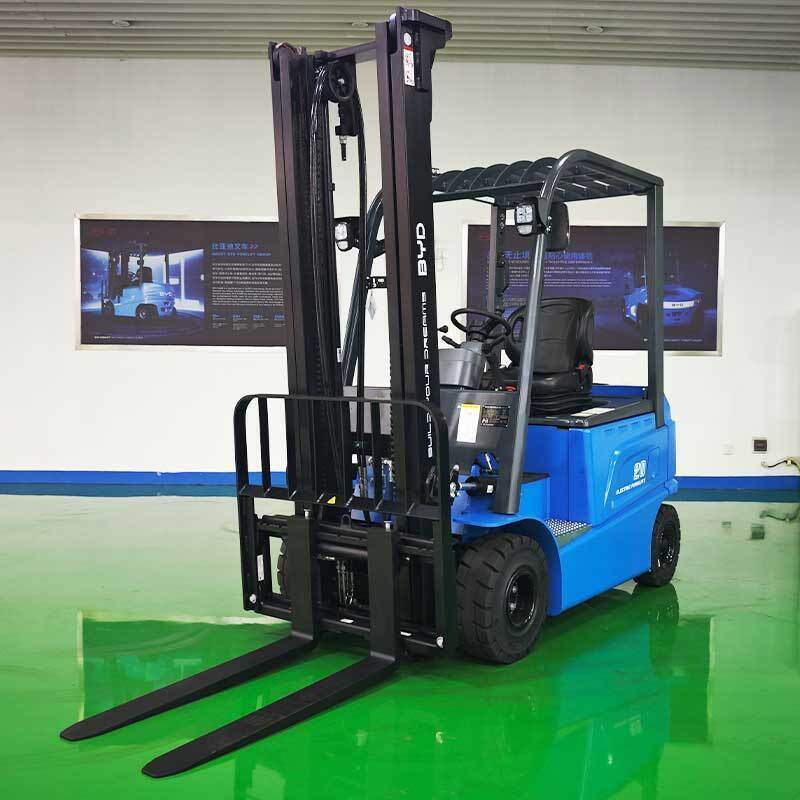
Against the background of rising requirements for low-carbon and efficient logistics operations across multiple industrial sectors, electric forklifts have become one of the most widely adopted material handling equipment for indoor warehouses, distribution centers and light outdoor loading scenarios. Proper operation and scientific management of these equipment can bring tangible benefits for enterprise daily operation, far beyond basic function use.
Core Pre-operation Inspection Protocols
Before each shift of operation, operators need to complete a set of standardized inspection items to rule out hidden risks in advance. The inspection scope covers battery power status, braking system sensitivity, lifting mechanism flexibility, tire wear condition and surrounding operation area safety clearance. Operators should avoid starting the equipment with abnormal indicator lights, and confirm all control functions respond smoothly before carrying out formal handling tasks. This step will not only reduce accidental shutdown in the middle of operation, but also prevent minor faults from expanding into costly repair projects.
Daily Energy Efficiency Optimization Practices
Reasonable operation habits can effectively reduce unnecessary power consumption and extend single charge working duration. Operators should avoid frequent sudden acceleration and sudden deceleration during driving, keep the lifting and descending speed of goods within the recommended rated range, and plan the operation route in advance to reduce repeated detours in narrow warehouse aisles. For idle equipment that does not work for more than 10 minutes, turning off the standby power supply can avoid invalid power loss. Matching the load weight with the equipment rated load level can also reduce extra energy consumption and unnecessary component wear.
Routine Maintenance for Extended Service Lifespan
Regular non-working hour maintenance helps maintain stable equipment performance for a long period. The cleaning work should focus on removing dust, sundries and residual cargo scraps accumulated on the surface of the walking motor, heat dissipation structure and cargo fork assembly, to prevent these foreign matters from affecting the normal operation of moving parts. The battery maintenance should follow the official recommended charging and storage rules, avoid long-term over discharge or over charge, and check the connection terminal status regularly to keep the conduction state smooth. Operators should record daily operation status and minor abnormal feedback in time, so that professional technical personnel can carry out targeted troubleshooting during periodic inspection.
Safety Compliance for Long-term Stable Operation
All operation actions should strictly follow the relevant industrial safety specifications, operators should receive systematic professional training before independent post, and avoid overloading or carrying personnel on the cargo fork structure in any scenario. For different operation scenarios such as ramp, narrow aisle and uneven ground, operators should adjust the driving speed and operation posture reasonably according to the actual surrounding conditions. By forming a standardized full cycle management system covering pre-inspection, in-operation management and post-shift maintenance, enterprises can give full play to the core advantages of electric forklifts, and create more stable value for daily material handling work.


