
 简体中文
 Русский
 Français
 Português
 Español
 لالعربية


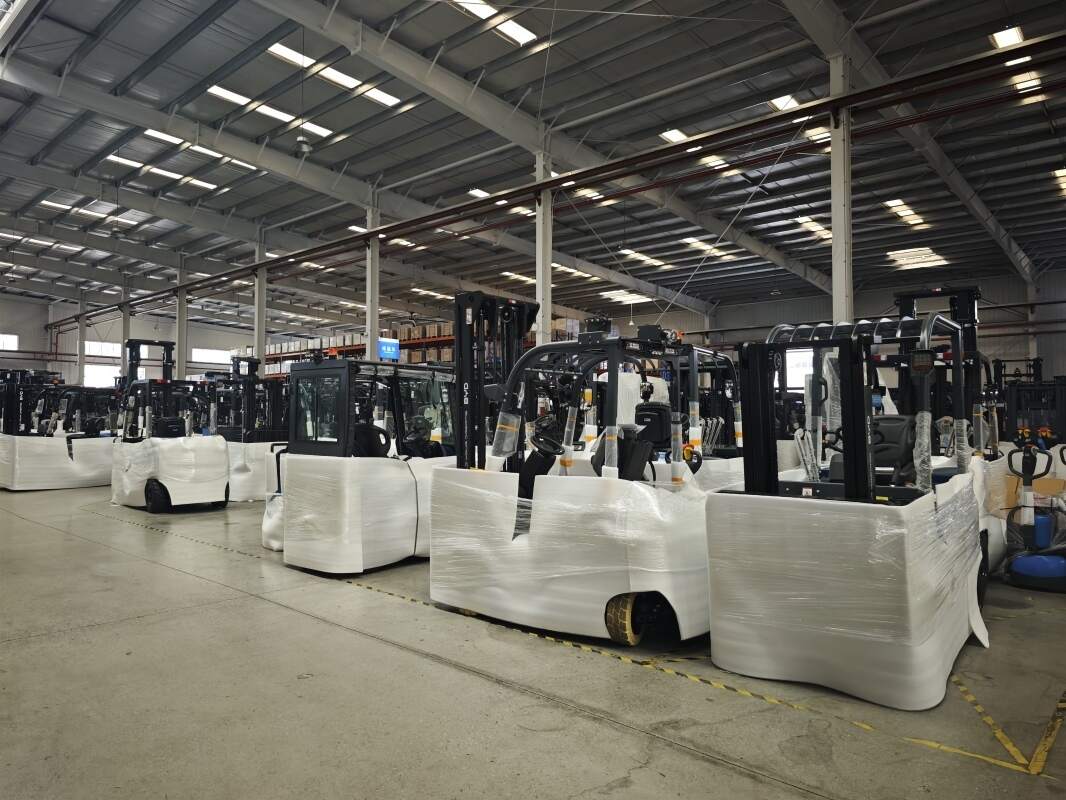
With the continuous promotion of low-carbon logistics solutions across global warehousing and manufacturing sectors, electric forklifts have become one of the most widely applied material handling equipment for indoor operation scenarios, due to their low noise level, zero local emission and relatively flexible operation performance. Mastering proper operation and regular maintenance rules can help operators reduce unnecessary wear and improve overall work efficiency during daily logistics tasks.
Basic Operation Specifications for Daily Use
Before formal operation, operators need to conduct a full pre-shift check covering the power system, brake performance, lifting mechanism and tire condition, to rule out hidden risks in advance. During operation, it is not allowed to carry overweight cargo beyond the rated load, and operators should keep a stable driving speed, especially when turning and passing narrow warehouse aisles, to avoid collision with shelves, personnel or other surrounding facilities. When stacking and unstacking goods, keep the cargo gantry at a proper tilt angle to prevent goods from sliding down accidentally.
Practical Daily Maintenance Tips
The core component of electric forklift is its power battery, users need to follow the official charging guidance to complete charging at normal ambient temperature, avoid over-discharging the battery to an extremely low level, and clean the dust on the surface of battery and electrical connector regularly to prevent poor contact caused by accumulated dirt. For moving parts such as bearings and transmission shafts, regular lubrication is required to reduce friction loss, and waste generated during maintenance should be disposed of in accordance with local environmental protection regulations.
Application Scenarios and Efficiency Optimization
Most electric forklifts are suitable for enclosed indoor warehouses, food processing workshops, pharmaceutical storage facilities and other scenarios that have strict requirements on air quality and operation noise. Users can adjust the operation route reasonably according to daily cargo flow, arrange corresponding operation tasks properly, reduce no-load driving time as much as possible, so as to give full play to the advantages of electric forklifts in low energy consumption and flexible operation for long-term stable use.


