
 简体中文
 Русский
 Français
 Português
 Español
 لالعربية


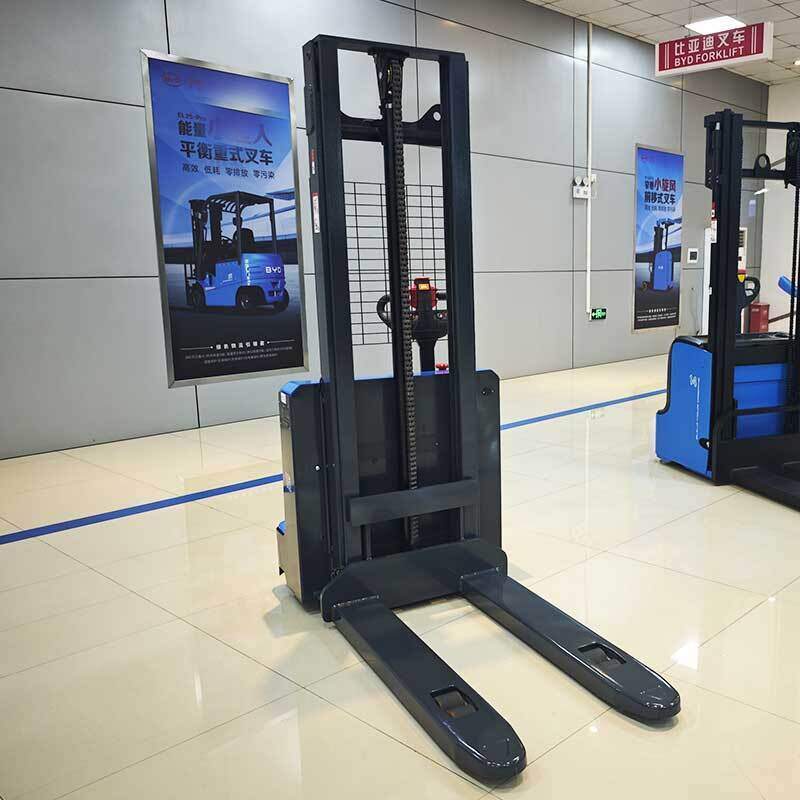
As core material handling equipment widely used in modern logistics scenarios, electric forklifts have gained increasing popularity across multiple industries in recent years. This article sorts out practical industry knowledge that helps relevant practitioners grasp correct usage logic and maximize the value of equipment.
Core Performance Characteristics of Electric Forklifts
Different from traditional internal combustion handling equipment, electric forklifts rely on electric energy as the core power source, with no exhaust emission generated during the whole operation process. This feature makes them more suitable for closed indoor work scenarios, such as finished goods warehouses, cold storage areas and production workshops that have strict requirements for air quality. The overall operation noise of qualified electric forklifts is kept at a relatively low level, which will not cause excessive noise interference to surrounding workers or damage to the acoustic environment of the working area. In terms of daily operation cost, electric forklifts do not need to consume fossil fuel, and the energy consumption cost per unit working hour is controlled at a relatively reasonable level.
Standard Operation Specifications for Daily Use
Before each formal operation, operators need to complete necessary pre-inspection work, including checking the remaining power of the power system, the flexibility of the braking structure, the stability of the lifting gantry, and the intact state of the warning light. Operators should avoid overloading the equipment beyond the rated load range during operation, and keep a safe distance from surrounding pedestrians, shelves and stacked goods when driving in narrow warehouse channels. When the equipment is not in use for a long time after work, the operator should park the vehicle in the designated safe area, lower the lifting gantry to the lowest position, and cut off the main power supply of the equipment.
Scientific Daily Maintenance Suggestions
For the power battery part that accounts for a large proportion of the equipment cost, operators should follow the official charging specifications to avoid long-term overcharge or deep discharge, and regularly check whether the connection interface is loose or oxidized. The sundries and dust accumulated on the body surface, moving wheel structure and heat dissipation area should be cleaned regularly to avoid affecting the normal heat dissipation or flexible movement of parts. The kinematic pairs such as hinges and rotating shafts need to be lubricated on a regular basis according to the usage frequency, to reduce the friction loss between different metal parts. When minor abnormal conditions are found in the equipment, relevant personnel can contact professional technical personnel for inspection and troubleshooting in time, instead of disassembling the internal structure of the equipment without professional guidance.


