
 简体中文
 Русский
 Français
 Português
 Español
 لالعربية


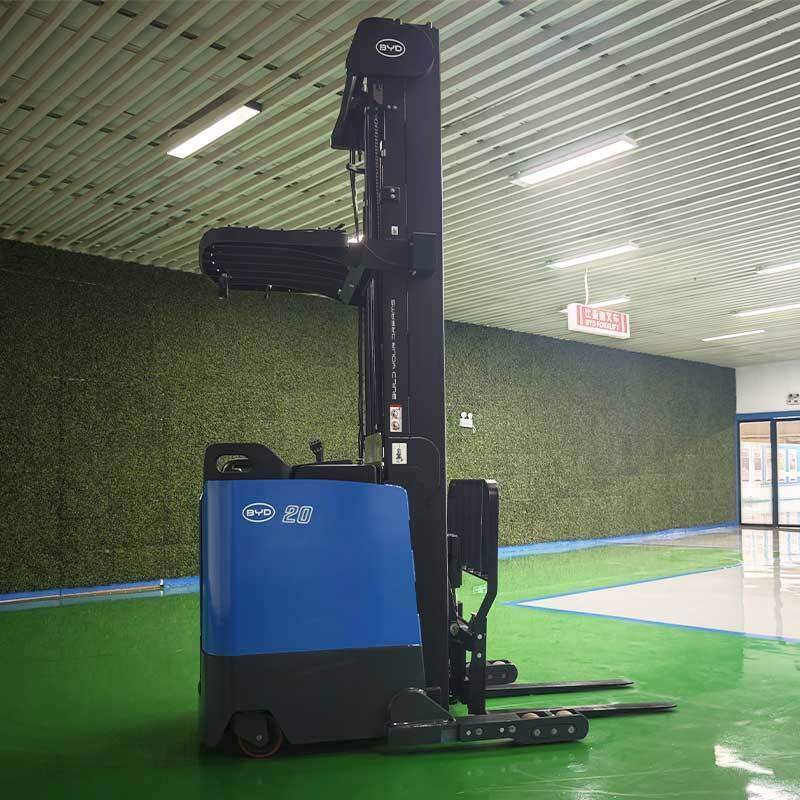
Electric forklifts have become one of the most widely applied material handling equipment across modern logistics, manufacturing and storage sectors, thanks to their low noise emission, zero on-site exhaust and relatively low long-term operating cost. For frontline operators and site managers, mastering proper usage rules and daily care knowledge can help maximize equipment value and reduce unnecessary operating risks.
Core Safe Operation Specifications for Electric Forklifts
Before starting any operation, operators need to complete pre-checks covering battery power status, brake sensitivity, lifting component flexibility and tyre condition, to rule out hidden issues that may cause sudden malfunction during work. During the operating process, operators should keep the load within the rated load range, avoid sharp acceleration or sudden steering when carrying heavy goods, and keep a safe distance from surrounding staff and stacked goods on the site. When the equipment is running at low speed in narrow aisles, operators should pay close attention to the surrounding view, and avoid sudden reversal of direction to prevent goods from slipping off the forks. Operators should also turn off the power supply and pull the hand brake before leaving the equipment, to prevent accidental sliding on sloped ground.
Daily Maintenance Tips to Extend Equipment Service Life
Routine maintenance for electric forklifts focuses on power system, transmission structure and electrical component inspection. For the battery pack, users should avoid deep discharge below the recommended residual power threshold, and arrange regular charging in a cool, ventilated environment that meets safety requirements. Operators should wipe the dust and debris on the surface of electrical components at the end of each work shift, and check the connection points of circuits to avoid loose contact caused by long-term vibration. For the hydraulic lifting system, regular oil level inspection and sealing component check can effectively reduce the probability of oil leakage, and ensure stable lifting performance during daily use.
Scenario-based Application Optimization Suggestions
For different working scenarios, users can adjust equipment operation modes accordingly to get better using experience. For cold storage working environments, users can take targeted protective measures for electrical components to reduce the impact of low temperature on equipment operating efficiency. For long-hour continuous working scenarios, arranging reasonable shift handover and charging planning can avoid unexpected downtime during peak operation hours. Operators can also sort out the common hidden issues encountered in daily use, and establish a simple equipment operation log to track the operating status of each unit for long-term management.


