
 简体中文
 Русский
 Français
 Português
 Español
 لالعربية


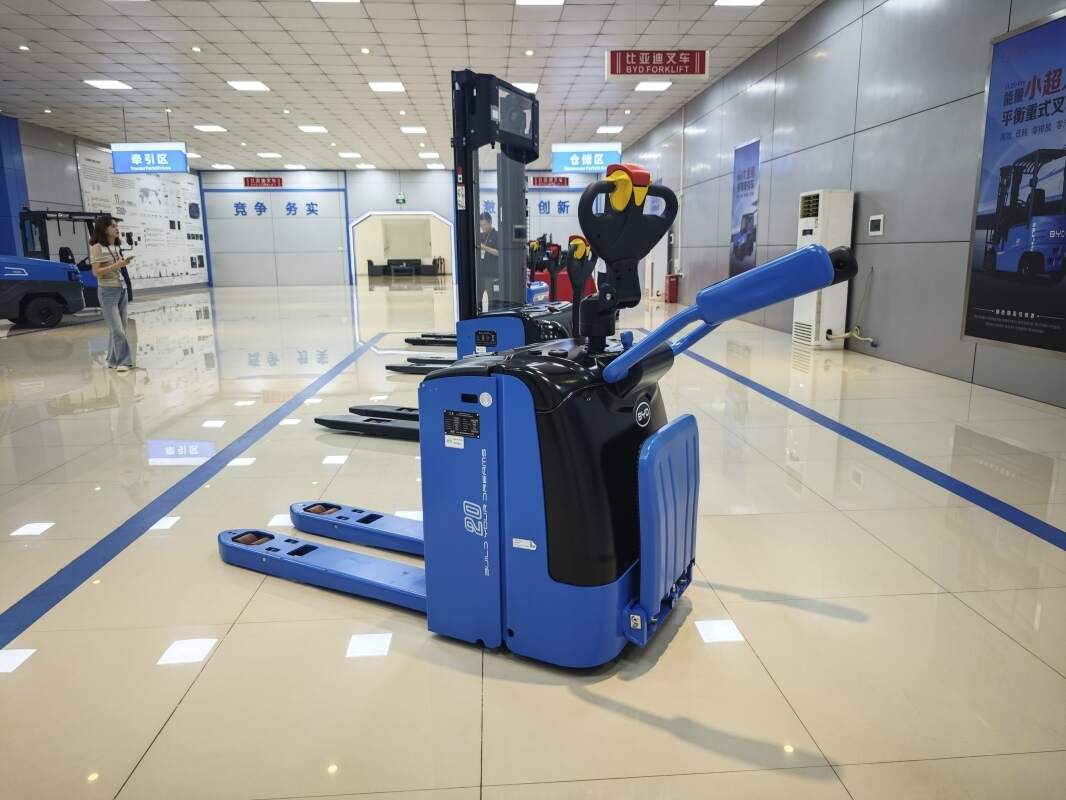
The wide application of electric forklifts in modern logistics and warehouse scenarios has brought obvious advantages of low noise, zero local emission and lower long-term energy consumption, which makes it a core equipment for material handling in more and more industrial sites. Mastering correct operation and maintenance knowledge can help enterprises give full play to the performance of the equipment, and get more stable operation experience in daily work.
Core Standard Operation Rules for Electric Forklifts
Before starting each shift, operators need to conduct a basic inspection on the equipment, covering the remaining battery power, braking sensitivity, lifting structure flexibility and tire condition. Operators should receive necessary pre-job training to get familiar with the basic parameters of the equipment, avoid overloading beyond the rated load range during operation, keep stable driving speed in narrow warehouse aisles, and actively avoid surrounding working staff and stacked goods. It is not recommended to perform sharp steering at high speed, which may cause unnecessary wear of the steering system.
Daily Maintenance Methods to Prolong Equipment Service Life
The power battery is one of the core components of electric forklifts, so relevant personnel should follow the standard charging process, avoid deep over-discharge before long-time fast charging, and regularly wipe the dust and residual electrolyte traces on the battery surface to keep the assembly clean. After each operation cycle, the body surface should be cleaned in time, and sundries trapped in the tire gaps should be removed regularly, and the sealing condition of the hydraulic lifting system should be checked at fixed intervals to prevent possible hydraulic oil leakage.
Scenario-based Usage Optimization Suggestions
For low-temperature and high-humidity outdoor operation scenarios, relevant personnel need to do a good job of moisture-proof protection for the electronic control system of the vehicle body. When the equipment is left unused for a long time, regular supplementary charging of the battery is required to avoid performance degradation caused by long-term power deficit. For high-frequency heavy-load working scenarios, it is reasonable to arrange a battery rotation plan, which can reduce the continuous full-load pressure on the core circuit of the equipment and lower the overall long-term operating cost.


