
 简体中文
 Русский
 Français
 Português
 Español
 لالعربية


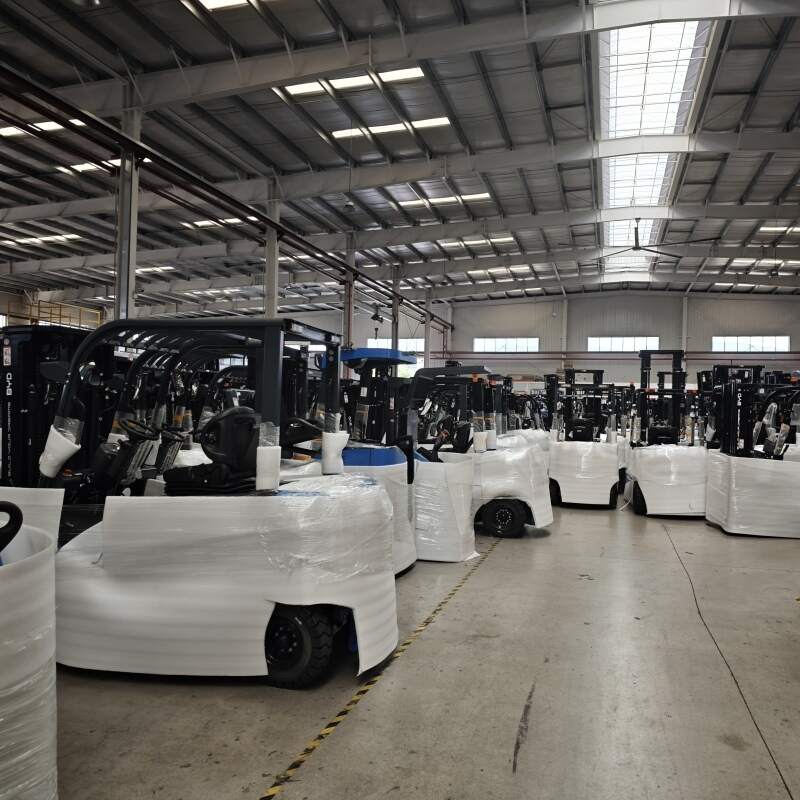
As the logistics and warehousing industry continues to pursue low-carbon operation and stable cost control, electric forklifts have gradually become one of the most widely used material handling equipment in indoor and enclosed operation scenarios. Many frontline operators and warehouse managers hope to master more practical application skills to give full play to the performance of such equipment in daily work.
Core Performance Characteristics of Electric Forklifts
Different from internal combustion handling equipment, electric forklifts rely on on-board power modules to provide power, with relatively low noise emission during operation, and no exhaust gas discharge that affects the air quality of closed spaces. Its power output adjustment is smoother during low-speed movement, which can adapt to frequent cargo picking, stacking and short-distance handling operations in narrow warehouse aisles, and can maintain relatively stable operating performance under the condition of matching the specified load range. The overall operation vibration is relatively mild, which can reduce the risk of collision with fragile goods in the handling process to a certain extent.
Daily Maintenance and Care Points
Routine maintenance work does not require too much professional operation threshold, and operators can complete most of the inspection and care work before and after daily work. The main inspection scope includes checking the power module connection status, the wear degree of the running wheels, the flexibility of the hydraulic lifting structure, and the sensitivity of the braking system. After the daily operation is completed, the equipment can be parked in the designated area, and the power can be connected according to the specification to complete the charging, so as to avoid the situation of excessive power loss affecting the subsequent use experience. Regular cleaning of the accumulated dust and sundries on the surface of the equipment can also prevent small particles from entering the movable connection parts and causing extra wear.
Standardized Operation Specification Requirements
Operators who have received formal training can operate the equipment according to the operation manual, avoid sudden acceleration or sudden steering in the narrow aisle, and adjust the driving speed according to the surrounding personnel flow and stacking density. When the goods are lifted to a high position, the operator should keep the body in a stable driving posture, and do not lift or lower the cargo during the moving process as far as possible, so as to reduce the risk of cargo slipping. Regular operation skill assessment can help the team form good operation habits and reduce unnecessary equipment wear. Following the above application points can help the electric forklift maintain a good operating state for a long time, create more stable value for the daily material handling work of the warehouse.


