
 简体中文
 Русский
 Français
 Português
 Español
 لالعربية


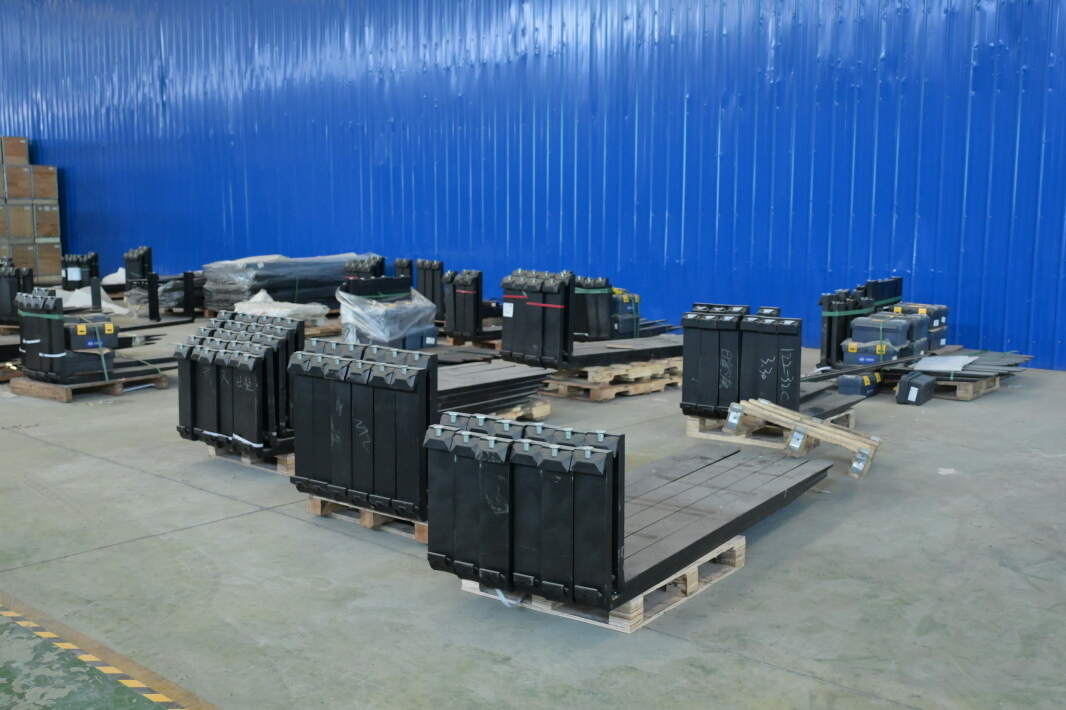
As the low-carbon logistics development trend gains popularity across the global industrial sector, electric forklifts have gradually become one of the most widely applied material handling equipment in closed working spaces such as warehouses, manufacturing workshops and distribution centers. Mastering correct operation and maintenance rules can help operators give full play to the equipment’s performance while avoiding unnecessary safety risks.
Core Performance Characteristics of Modern Electric Forklifts
Unlike internal combustion counterparts, most modern electric forklifts generate almost no tail gas emission during daily operation, and produce far lower operation noise that will not cause long-term discomfort to staff working in relatively closed spaces. The power output system of qualified products can maintain stable load performance under rated load, and the whole machine has fewer vulnerable moving parts compared with fuel-powered equipment, which cuts down the daily equipment management cost to a certain extent.
Standard Daily Operation Specifications
Before starting each shift, operators need to check the remaining power level, brake sensitivity, tyre surface status and lifting mechanism flexibility first, and do not start operation if any abnormal sign is found. During the moving process, operators need to keep the load within the rated load range, keep the driving speed at a safe level according to on-site road conditions, and avoid sharp turning or sudden braking as much as possible. When the equipment is not in use, operators need to lower the fork to a horizontal position, cut off the power supply and park the machine in the designated area.
Conventional Routine Maintenance Suggestions
Regular routine maintenance can effectively extend the service life of electric forklifts and reduce unexpected failure probability. Operators can clean the dust and sundries accumulated on the machine surface after each shift, check the cable connection status of the power system every one to two weeks, and complete the professional performance inspection carried out by technical personnel according to the preset cycle. Do not expose the power unit to long-term high temperature or humid environment, which can avoid unnecessary damage to the core power components.
Scene Matching Optimization Tips
For different working scenarios, teams can adjust the use logic of electric forklifts properly to get better use experience. For long-time continuous operation scenarios, users can arrange reasonable power replacement or charging plans according to actual operation demands, to avoid operation interruption caused by sudden power exhaustion. For narrow channel working scenes, operators can adjust the movement route in advance to make full use of the steering flexibility of electric forklifts to improve the overall handling efficiency.


