
 简体中文
 Русский
 Français
 Português
 Español
 لالعربية


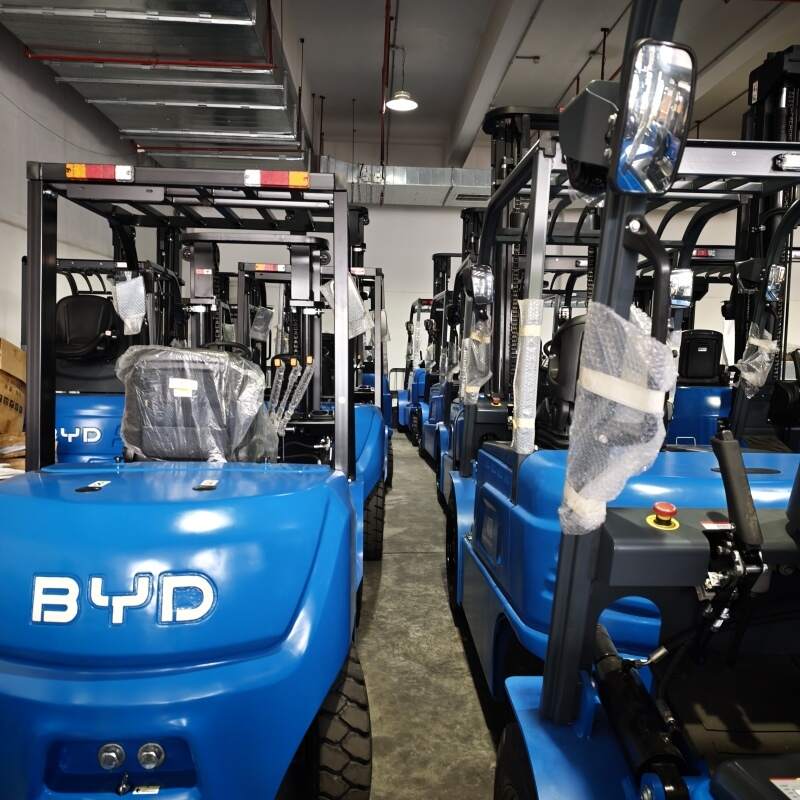
As low-carbon logistics development gains broader popularity across the industrial sector, electric forklifts have become one of the most widely deployed material handling equipment for warehousing, manufacturing plants, ports and distribution centers, bringing notable changes to operation efficiency and environmental footprint. A systematic grasp of relevant operation and application knowledge can help frontline operators and warehouse managers give full play to the equipment’s advantages while extending its service life effectively.
Core Operation Specifications for Daily Use
Before starting each shift, operators need to complete a pre-operation inspection covering the power system, brake function, steering flexibility and fork surface condition, to rule out hidden risks that may cause disruptions during subsequent operations. During the driving process, operators should maintain a proper sight line, control the running speed according to the on-site site condition and cargo weight, avoid sharp turns and sudden braking as much as possible, and strictly follow the load capacity parameters specified in the equipment manual to avoid overloading that may cause potential safety hazards. When picking and placing cargos, keep the mast at a proper backward tilt angle to stabilize goods, and avoid lifting or lowering cargos at a high speed to prevent cargo tipping and unnecessary losses.
Scientific Daily Maintenance Guidelines
Regular maintenance work can effectively reduce the failure rate of electric forklifts and lower long-term operation costs. Users need to arrange regular cleaning for the equipment exterior and key transmission components on a scheduled basis, to prevent accumulated dust and sundries from affecting the normal operation of moving parts. For the power battery system, follow the official charging operation instructions, avoid deep discharge for a long time, and keep the charging environment dry and ventilated, which can help maintain the overall battery performance. Besides, users need to check the wear condition of tires and brake pads on a monthly basis, replace severely worn parts in time, and arrange professional personnel to conduct overall performance inspections every six months, to identify minor problems in the early stage before they develop into major failures.
Optimized Application Tips for Different Scenarios
For narrow aisle warehouse scenarios, operators can adjust the equipment’s running speed in advance, keep a safe distance with surrounding shelves and personnel, and reduce unnecessary sharp movements to improve the passing efficiency. For outdoor operation scenarios under low temperature, users need to preheat the power system properly before operation, and adjust the tire anti-slip measures according to the road surface condition, to ensure stable running performance. Different from internal combustion forklifts, electric forklifts produce no exhaust emission during operation, which makes them more suitable for closed storage scenes of food, pharmaceutical and fresh product industries, and users can make reasonable matching according to their own operation requirements to maximize the use value of the equipment.


