
 简体中文
 Русский
 Français
 Português
 Español
 لالعربية


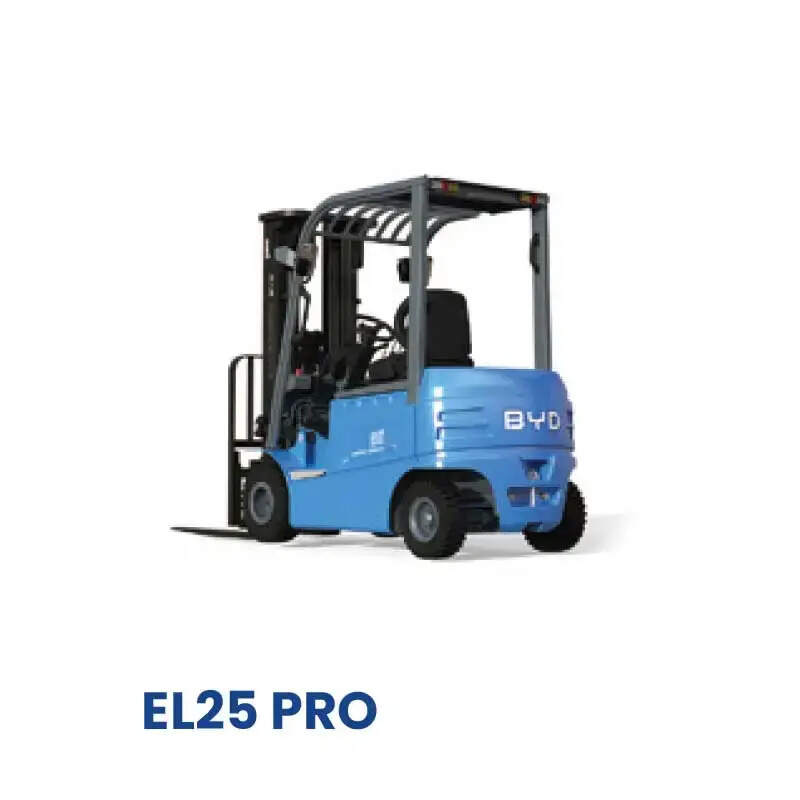
As low-carbon logistics and warehouse management concepts gain wider popularity across industrial sectors, electric forklifts have gradually become a mainstream choice for material handling operations in most indoor and semi-outdoor working environments. This guide sorts out practical, industry-recognized knowledge points for relevant practitioners to reference in daily operation and management.
Core Performance Features of Modern Electric Forklifts
Compared with internal combustion counterparts, standard electric forklifts rely on electric power drive systems to complete cargo stacking, short-distance transfer and other core handling tasks, producing no direct exhaust emissions during the whole operation process. Their overall noise level during operation is significantly lower, which effectively reduces disturbance to surrounding working staff, and avoids the hidden safety risks caused by exhaust accumulation in closed warehouse spaces. The energy cost per unit operation is also relatively stable, which helps warehouse teams make long-term budget planning more easily.
Practical Daily Maintenance Guidelines
Regular basic maintenance work can effectively reduce unexpected equipment failure rates. Operators need to check the power level, tire wear status and brake sensitivity before each shift, and clean the surface dust and accumulated sundries on the drive and lifting components after finishing daily work. The battery pack shall be charged in the designated ventilation area according to standard procedures, and regular professional inspection of line connection status is recommended to avoid potential safety hazards caused by long-term high-intensity use.
Standard Operation and Application Notes
Operators need to complete professional pre-job training before officially using electric forklifts, and strictly follow load limit requirements to avoid overloading in actual operation. Most standard electric forklifts are more suitable for flat, solid ground working scenarios, and it is not recommended to use them for a long time in extremely humid or high-corrosion working environments, to maintain stable overall equipment performance.


