
 简体中文
 Русский
 Français
 Português
 Español
 لالعربية


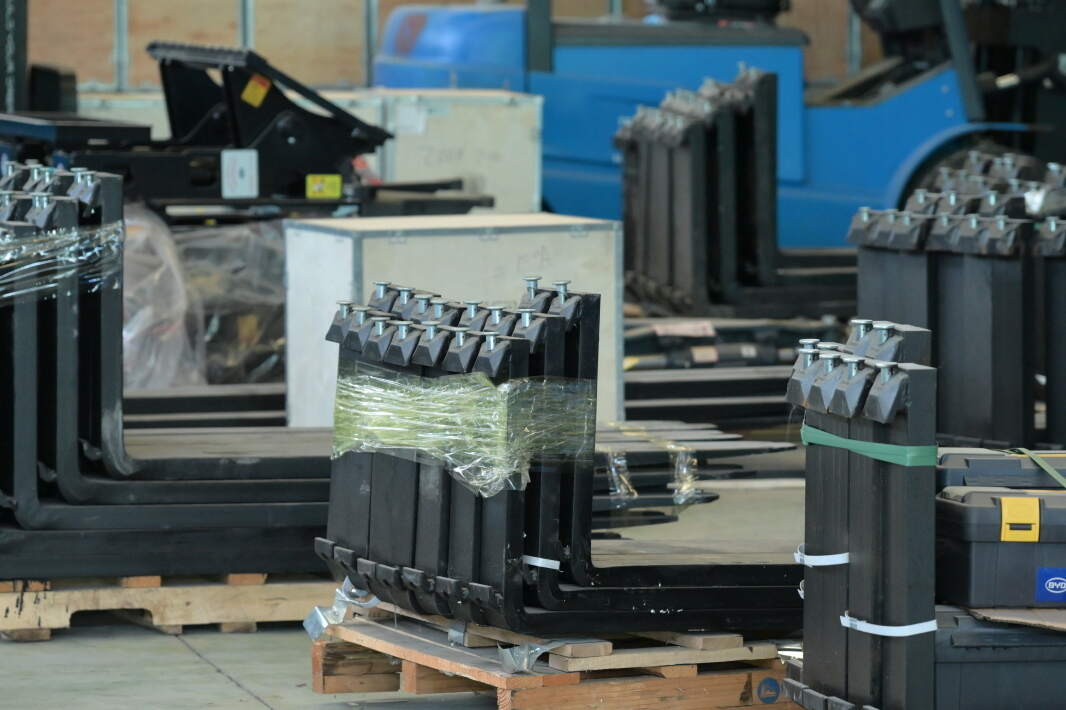
As low-carbon logistics development gains wider popularity across the global industrial sector, electric forklifts have become one of the most widely used core equipment for indoor and semi-outdoor material handling scenarios, and mastering relevant professional knowledge can help enterprises achieve more stable, efficient and low-cost daily operation.
Core Performance Features of Electric Forklifts
Unlike traditional internal combustion handling equipment, electric forklifts generate no local exhaust emission during operation, and their overall operating noise stays at a relatively low level that will not cause excessive noise disturbance to operators and surrounding working staff. Such features make them highly compatible with enclosed indoor warehouses, cold chain storage facilities, food processing workshops and other scenarios with relatively strict requirements for working environment. Most electric forklift models can also adjust their output power flexibly according to different load weights, which helps reduce unnecessary energy consumption in actual operation, and bring more friendly use experience for long-time operators.
Standard Operation Guidelines for Safe Use
Before each formal operation, operators need to complete basic pre-inspection work, including checking the remaining power level of the power system, the flexibility of the braking and steering structure, the wear condition of the forks and the normal operation status of the lighting and warning components. During the operation process, operators are supposed to avoid sharp acceleration, sharp steering and sudden braking as much as possible, and do not carry extra personnel on the vehicle body or lift people with the forks to avoid potential safety risks. When driving on sloped working surfaces, keep the load facing the upper slope direction and do not turn around on the slope to prevent sideslip, and never park the vehicle on the unprotected slope section without necessary support measures.
Routine Maintenance Methods for Longer Service Cycle
Regular standardized maintenance can effectively reduce the failure rate of electric forklifts in long-term use. For the power battery part, staff need to regularly check the electrolyte liquid level and keep the electrode connection points clean and dry to avoid poor contact caused by dust accumulation. When the equipment is not in use for a long time, store it in a dry, ventilated place with stable temperature, and charge the power system regularly to avoid long-term underpowered storage that affects the overall battery performance. It is also necessary to regularly check the hydraulic oil circuit for leakage and the wear degree of the solid tyre, so as to eliminate small hidden dangers in the early stage. Reasonable application, standard operation and scientific maintenance can give full play to the performance advantages of electric forklifts, and create higher value for the daily material handling work of relevant enterprises.


