
 简体中文
 Русский
 Français
 Português
 Español
 لالعربية


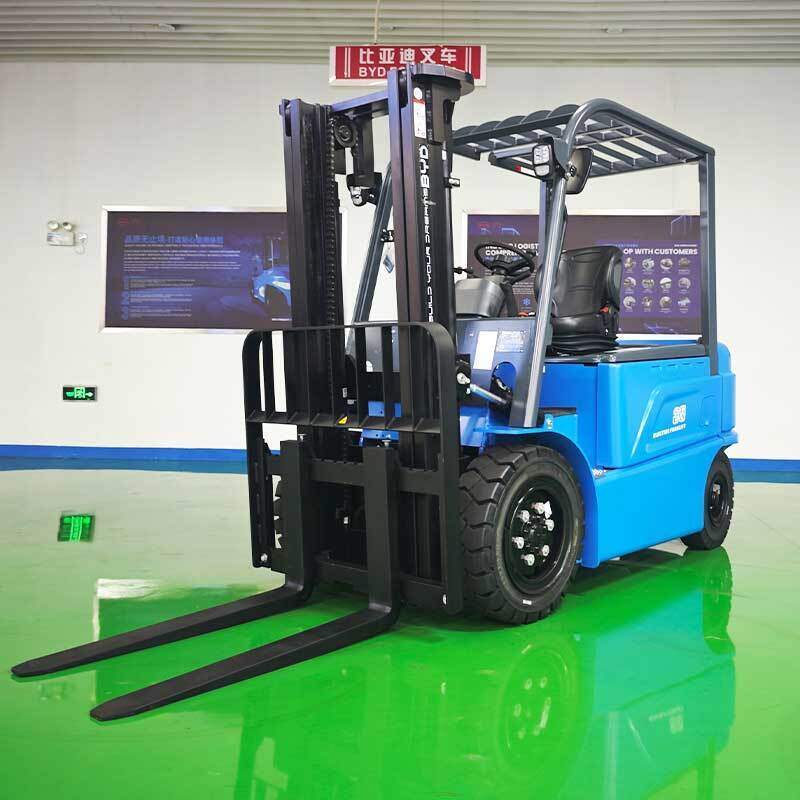
As one of the core power-driven material handling equipment in modern logistics scenarios, electric forklifts have been widely applied in various industrial and commercial storage scenes in recent years. Mastering systematic knowledge related to electric forklift use, maintenance and scenario matching can help relevant operators get more stable operation performance and better use experience.
Core Functional Advantages of Electric Forklifts
Different from fuel-powered lifting equipment, electric forklifts rely on stored electric energy as the only power source, which will not produce tail gas emission during normal operation, making it more suitable for closed, poorly ventilated storage spaces. The operation noise of standard electric forklifts is kept at a relatively low level, which will not cause excessive noise pollution to the working environment for a long time. Their power output is relatively stable during lifting and traveling process, effectively reducing the shaking of loaded goods and lowering the probability of accidental damage to fragile cargos.
Standardized Daily Operation Guidelines
Before starting each shift, operators need to make a full pre-use check, including remaining battery power, brake system sensitivity, hydraulic lifting component tightness and surrounding working environment conditions. During the operation process, operators should avoid overloading beyond the rated load range, keep proper safe distance with surrounding pedestrians and stacking shelves, and reduce the driving speed when passing through narrow aisles or areas with dense personnel. When the equipment is not in use for more than ten minutes in working hours, operators should turn off the operation system properly to avoid unnecessary power consumption.
Rational Maintenance Practices to Optimize Equipment Performance
After each shift, operators can wipe the surface of equipment shell to avoid accumulation of dust and sundries, and check the cleanliness of battery contact points periodically to reduce unnecessary energy loss caused by poor contact. Users need to check the wear condition of solid tires and the liquid level of hydraulic oil according to the recommended maintenance cycle, avoid long-term full load discharge of the power battery, and store the equipment in a dry, ventilated place when it is not used for a long time, so as to effectively reduce the occurrence probability of common faults.
Scenario Matching Tips for Higher Use Efficiency
For different working scenarios, users can select electric forklift products with corresponding performance parameters according to actual use demands. For low temperature cold storage scenarios, equipment with low temperature adapted battery configuration can be selected to maintain stable performance. For high-density storage scenes with narrow aisles, products with small turning radius can be picked to improve the utilization rate of storage space. Proper scenario matching can maximize the use value of the equipment and bring better material handling experience.


