
 简体中文
 Русский
 Français
 Português
 Español
 لالعربية


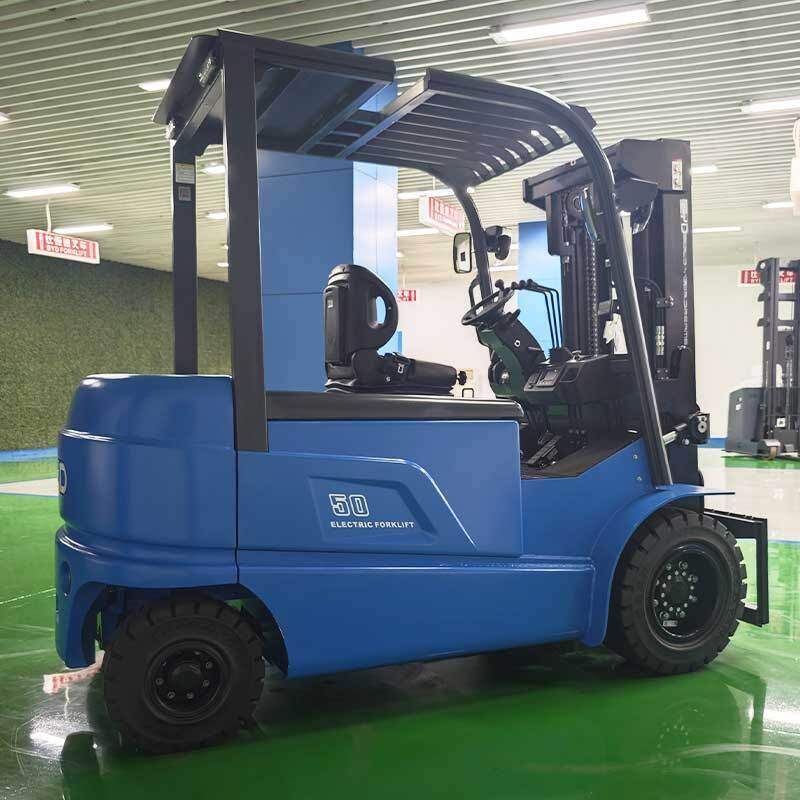
With the continuous popularization of low-carbon industrial logistics concepts, electric forklifts have become one of the most commonly used material handling equipment in warehousing, manufacturing and retail distribution scenarios. Mastering systematic professional knowledge of electric forklift application can help operation teams give full play to equipment performance and optimize the overall operation flow reasonably.
Core Performance Advantages of Electric Forklifts in Common Scenarios
Different from traditional fuel-powered forklifts, modern electric forklifts produce no tail gas emission during the whole operation process, and their running noise is controlled at a relatively low level, which is more suitable for enclosed indoor working environments such as food storage areas and pharmaceutical warehouses. The unit energy consumption cost of electric forklifts per running hour is usually lower than that of internal combustion counterparts under the same rated load level, which can bring continuous cost optimization for teams with high daily equipment using frequency. The overall structure of electric forklifts is relatively simplified, with fewer vulnerable mechanical parts, which reduces the frequent maintenance demand for traditional power components.
Standard Operation Specifications for Electric Forklift On-site Users
All operators need to complete systematic professional training before taking up the post, and they should complete the inspection of power components, braking systems and load lifting structures before each equipment startup. During the moving and lifting process, operators should avoid sudden acceleration and sharp steering when carrying heavy loads, and always keep the actual load within the official rated load range to avoid unnecessary potential safety risks. When the equipment is not in use, operators should lower the lifting fork to the flat ground, cut off the main power supply, and park the vehicle in the designated safety area away from the passage for pedestrian and cargo movement.
Practical Daily Maintenance Tips for Electric Forklifts
The regular maintenance work of electric forklifts mainly focuses on the inspection of power storage modules, transmission systems and electrical circuit parts. Operation teams can arrange professional technicians to clean the electrode connection parts regularly, and check the wear condition of tires and braking pads on a weekly basis. It is not recommended to store the equipment for more than 7 consecutive days with less than 20% remaining power, which may cause irreversible damage to the power storage components. Reasonable arrangement of equipment shift schedules and matching of working scenarios can further stabilize the use state of electric forklifts, and provide reliable support for the whole material handling flow.


