简体中文
 Русский
 Français
 Português
 Español
 لالعربية


Food and beverage facilities have unique operational requirements, ranging from strict hygiene standards, narrow aisle storage spaces, low-emission mandates to high throughput demands for perishable goods. Choosing the right material handling equipment directly impacts daily operational stability, product safety and overall cost control. Reach forklifts, especially electric-powered variants, stand out as a highly suitable solution for such scenarios, bringing multiple tangible advantages to facility operation.
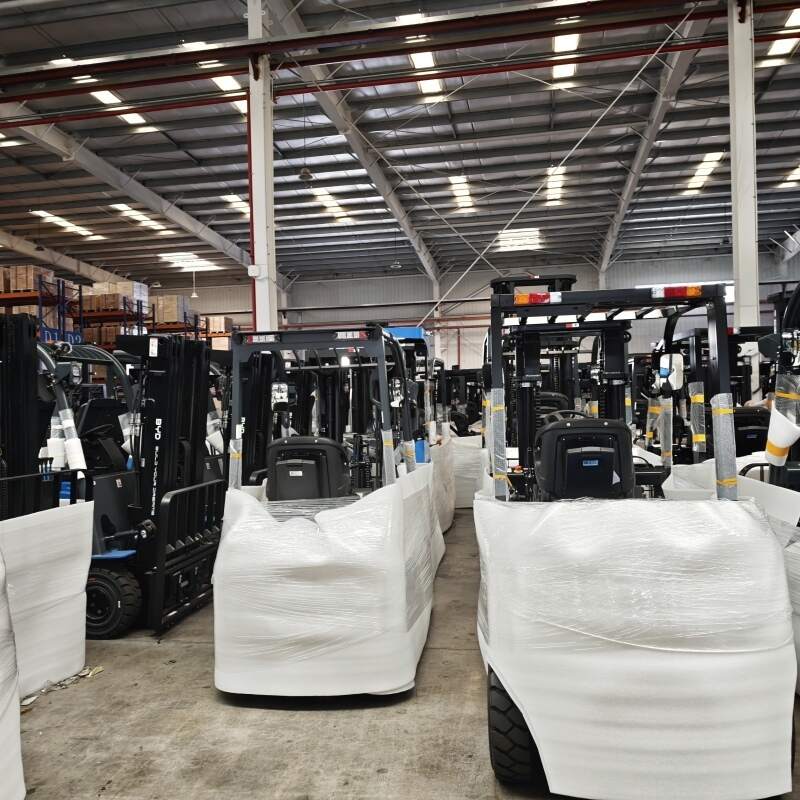
First, it maximizes valuable storage space utilization. Most food and beverage warehouses store large volumes of packaged goods, raw ingredients and finished products on high racking, and many facilities design narrow aisles to expand storage capacity. Reach forklifts are designed to operate smoothly in narrow aisle widths, and can lift loads to considerable heights safely, allowing facilities to make full use of vertical space without reserving extra wide turning zones for bulkier counterbalance forklifts. This helps increase total storage capacity by a notable margin without expanding the facility footprint.
Second, it supports strict food hygiene and safety requirements. Zero-emission electric reach forklifts produce no exhaust fumes during operation, which eliminates the risk of fossil fuel exhaust contaminating unpackaged food ingredients, fresh produce and sensitive beverage products. The smooth, no-spill power system also avoids leaks that could pose contamination risks to food production and storage zones, fully aligning with local food safety management regulations for indoor operation.
Third, it lowers long-term operational and maintenance costs. Electric reach forklifts have fewer wearing parts compared to internal combustion counterparts, which reduces the frequency of regular part replacement and routine maintenance work. The stable power output also cuts down energy consumption per operating hour, creating lower daily operation expenditures for facilities that run multi-shift schedules. Many models also come with ergonomic operating designs that reduce operator fatigue, lowering the risk of operational errors and accidental product damage during peak shifts.
Fourth, it supports flexible operation across multiple zones in the facility. A standard reach forklift can move smoothly between dry goods storage zones, cold storage areas, loading docks and production preparation zones, with performance that adapts to different ambient temperatures commonly seen in food and beverage facilities. The compact body structure allows it to pass through standard doorways connecting different functional zones easily, removing the need to deploy multiple separate material handling tools for different working areas.
Fifth, it helps facilities meet low-carbon and environmental compliance targets. Many food and beverage processing and storage sites have introduced strict carbon reduction targets for their supply chain operations, and zero-emission electric reach forklifts fit perfectly into such plans, helping facilities meet local environmental protection requirements for indoor and low-emission zones. This also supports the facility to build a green operational image that aligns with the sustainable development expectations of partners and end consumers.
Jianshu New Energy, a professional supplier focused on BYD electric forklifts, can provide tailored electric reach forklift solutions for different food and beverage facility scenarios. For more consultation, you can contact us via [email protected].