
 简体中文
 Русский
 Français
 Português
 Español
 لالعربية


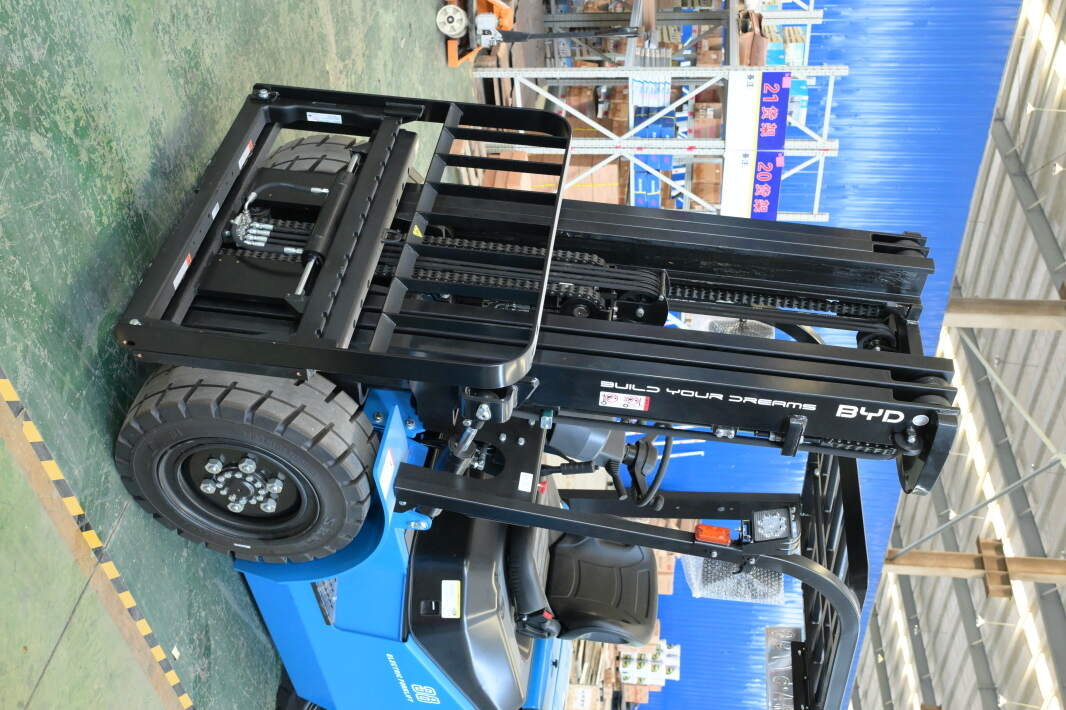
As a widely used material handling tool in modern logistics and storage scenarios, electric forklifts have gained growing popularity for their low noise, zero local emission and flexible operation features. Mastering the correct use and management methods can help operators give full play to the performance of the equipment, avoid unnecessary operation risks and reduce long-term comprehensive operating costs.
Core Safety Operation Specifications
Before starting each shift, operators need to complete a full pre-operation check, including testing the braking system, steering sensitivity, lifting mechanism and remaining power level, to eliminate hidden risks in advance. During the moving process, operators should keep a clear view of the surrounding working environment, maintain a safe distance from surrounding shelves, personnel and other operating equipment, and avoid sharp steering or sudden braking at high traveling speed. It is also not recommended to carry loads beyond the rated loading capacity, which may cause unbalance of the vehicle and potential turnover risks. When the working area is not equipped with special lighting, operators should turn on the vehicle’s lighting system in time to ensure sufficient visibility during low-illumination operations.
Daily Maintenance Guidelines
Regular standardized maintenance can effectively extend the service life of electric forklifts and reduce unexpected downtime. Operators need to clean the surface of the vehicle and the dust accumulated on the heat dissipation components after each shift, to prevent dust from affecting the normal heat dissipation performance of the power system. For the power storage unit, users should follow the official operation requirements for charging, avoid frequent over-discharge or long-term overcharge, and keep the connection terminals clean and dry to reduce the risk of poor contact. It is also necessary to check the wear degree of solid tires, the tightness of hydraulic oil level on a regular basis, and replace the worn consumable parts in time according to the actual working frequency.
Practical Energy Efficiency Optimization Methods
Proper operation habits can help reduce the overall energy consumption of electric forklifts effectively. Operators can plan the traveling route reasonably according to the distribution of storage locations, reduce unnecessary empty driving trips, and avoid frequent acceleration and deceleration during the moving process. When the vehicle needs to stop for more than 3 minutes, it is recommended to turn off the power system properly to avoid unnecessary power consumption. For enterprises with large number of electric forklifts, arranging charging plans according to the local peak-valley electricity price policy can further reduce the long-term energy cost of the whole fleet.


