
 简体中文
 Русский
 Français
 Português
 Español
 لالعربية


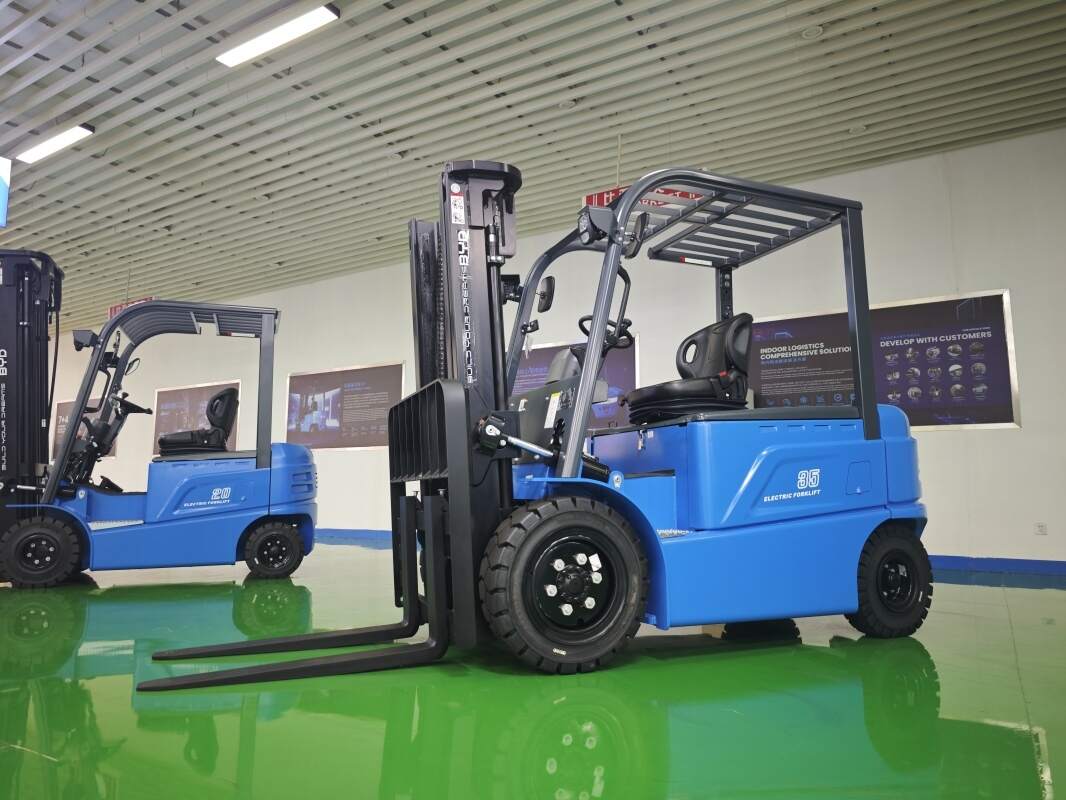
As the global logistics and warehousing industry continues to shift toward low-carbon and high-efficiency operation, electric forklifts have gradually become one of the most widely applied material handling equipment in indoor and closed industrial scenarios. Unlike fuel-powered counterparts, electric forklifts rely on electric drive systems to complete loading, unloading, stacking and short-distance handling tasks, with relatively low noise emission and no direct exhaust emission, which can adapt to the environmental access requirements of most closed operation spaces.
Core Operation Specifications for Daily Use
In daily operation, operators need to complete full pre-operation inspection before starting the equipment, including checking the remaining power of the energy storage system, the flexibility of the steering and braking structure, and the integrity of the safety protection components around the operation platform. During the driving process, it is not recommended to carry out sharp turns or sudden braking at high speed, and the load weight shall not exceed the rated load range marked on the equipment body, so as to avoid abnormal wear of the driving motor and the lifting hydraulic structure. When operating in narrow warehouse aisles, operators need to keep a sufficient safety distance with surrounding goods and facility structures, to reduce the risk of accidental collision that may cause equipment damage or goods toppling.
Routine Maintenance Points to Extend Stable Service Period
Regular maintenance work can effectively reduce the failure rate of electric forklifts in long-term operation. The key maintenance items include regular cleaning of the dust accumulated on the surface of the drive motor and the heat dissipation structure, checking the tightness of the connection lines of the energy storage system, and replenishing the lubricating oil for the rotating connection parts of the chassis on a regular basis. Operators should also arrange the charging work in strict accordance with the specified requirements, avoid the situation of completely draining the power of the energy storage unit before charging, and select the charging environment with stable temperature and good ventilation, which can maintain the overall performance of the energy storage system at a relatively stable level.
Efficiency Optimization Tips for Different Application Scenarios
In different application scenarios, users can adjust the operation mode of electric forklifts according to actual needs to get better use effect. For high-frequency operation scenarios such as large-scale e-commerce warehouses, users can arrange the alternate use of multiple sets of energy storage units, to reduce the idle time of equipment caused by long-time charging. For closed production workshops with high requirements for environmental indicators, the low-noise and zero-direct-emission characteristics of electric forklifts can help create a more comfortable working environment for on-site staff, while avoiding the pollution of fuel waste gas to stored sensitive materials. Reasonable operation and standardized maintenance can give full play to the application advantages of electric forklifts, help related industries reduce comprehensive operation costs, and steadily improve the overall operation efficiency of the material handling link.


