
 简体中文
 Русский
 Français
 Português
 Español
 لالعربية


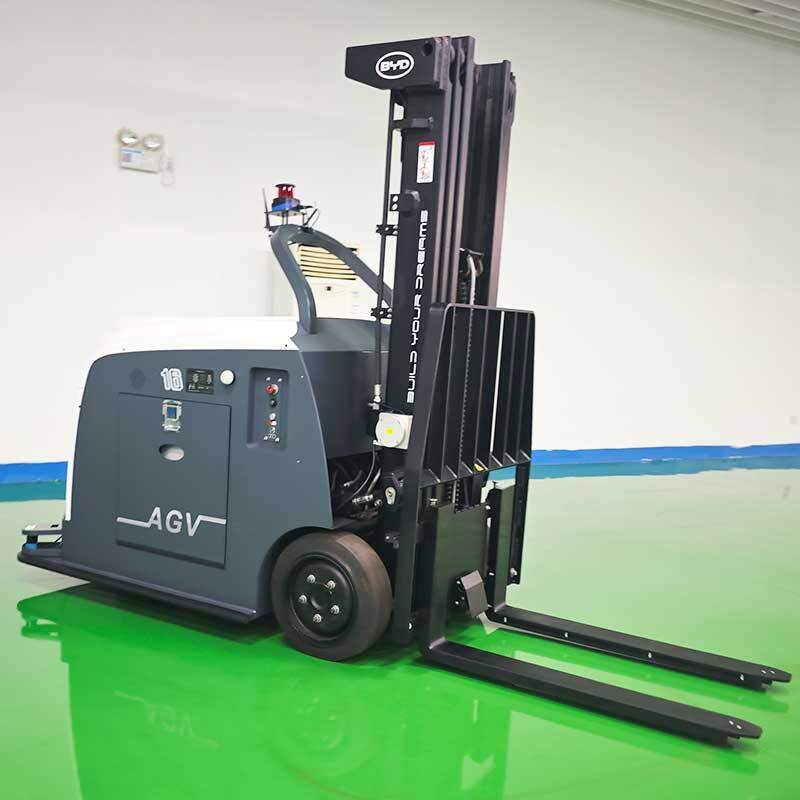
As the low-carbon transformation of industrial logistics advances, electric forklifts have become one of the most widely used core equipment for indoor and enclosed scenario material handling in recent years. Mastering the correct application logic and operation rules of such equipment can help relevant practitioners maximize the use value of the equipment, reduce unnecessary operating costs, and avoid hidden safety risks in daily work.
Core Performance Advantages of Modern Electric Forklifts
Compared with traditional internal combustion powered handling equipment, modern electric forklifts produce no local exhaust emissions during operation, and the overall operating noise level is controlled at a relatively low range, which is more suitable for closed warehouse, food processing and pharmaceutical production scenarios that have strict requirements for air quality and working environment comfort. The power output structure of such equipment can provide smoother torque adjustment in low speed working conditions, which can bring more stable handling performance when carrying different weight of goods within the rated load range. The whole structure also reduces many mechanical parts that need frequent maintenance for traditional fuel equipment, which lowers the threshold of daily operation management to a certain extent.
Standard Daily Operation Specifications
Before each formal operation, operators need to complete necessary pre-inspection work, including checking the remaining power of the power system, the sensitivity of the braking device, the wear condition of the fork structure, and the flexibility of the steering system. During the operation process, rapid acceleration and sudden stop should be avoided as much as possible, and the driving speed should be kept at a safe level when passing narrow aisles, pedestrian crossing areas and areas with stacked goods, to reduce the collision risk of goods and surrounding facilities. Operators should also adjust corresponding operation strategies according to the temperature and ground condition of the working site, to avoid abnormal wear of the tire and power system.
Routine Maintenance Recommendations
Daily regular maintenance work can effectively extend the overall service life of the electric forklift and reduce the probability of unplanned shutdown. For the energy storage power unit, operators should follow the specified charging and discharging rules, avoid long term overcharge and deep discharge, and clean the dust on the surface of the power unit regularly to maintain good heat dissipation performance. For the hydraulic system, it is necessary to check the sealing condition of the oil pipeline regularly, and replace the aged sealing parts in time when slight oil leakage is found. For the walking and lifting structure, the sundries stuck in the moving gap should be cleaned regularly, and add proper amount of lubricating oil according to the operation frequency. For different special working scenarios such as low temperature cold storage and high dust processing workshop, users can select matching protective accessories according to actual needs, to further improve the environmental adaptability of the equipment.


