
 简体中文
 Русский
 Français
 Português
 Español
 لالعربية


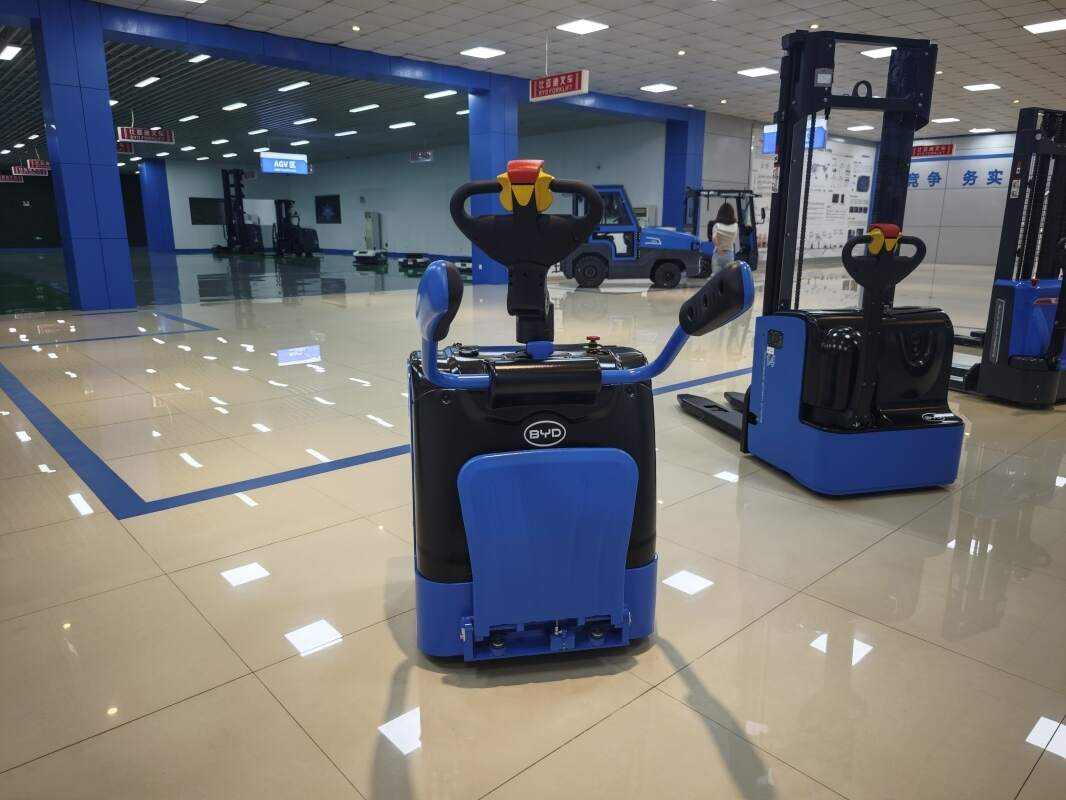
Against the background of low-carbon development in the global logistics industry, electric forklifts have been widely applied in indoor warehouses, retail distribution centers and light industrial manufacturing scenarios for their low noise, zero local emission and low operating cost features. Mastering correct usage and management rules can help enterprises fully tap the value of this type of material handling equipment.
Core Safety Operating Specifications for Electric Forklifts
Before each startup, operators need to complete basic inspection work including battery power status, braking system responsiveness, mast lifting flexibility and surrounding working environment condition. All operators need to receive systematic pre-job training to get familiar with the basic performance parameters of the equipment. During operation, overload lifting is not allowed, and the driving speed should be controlled at a reasonable level in narrow warehouse aisles. Operators need to slow down and give a prompt signal before turning, to avoid collision with shelves, scattered goods or passing staff. It is also not recommended to drive the electric forklift through deep water accumulated areas for a long time, to prevent damage to the built-in circuit system.
Routine Maintenance Points to Extend Equipment Service Life
For daily battery charging, users need to follow the official recommended charging parameters, avoid full discharge before long-time fast charging, and regularly clean the dust and oxidation residues on the battery terminals to keep good conductive performance. It is suggested to check the sealing parts of the hydraulic system for possible leakage once a month, and replace the worn tires in time when the wear degree reaches the preset threshold, to prevent sideslip risk in the driving process. When the equipment is not in use, it should be parked in the designated ventilated and dry area, pull up the hand brake, and lower the fork to the lowest position to avoid accidental injury caused by accidental falling of the loading part.
Efficiency Optimization Strategies for Daily Operation
Enterprises can match the electric forklift with proper load tonnage according to the actual goods handling demand, to avoid unnecessary power consumption caused by using over-specification equipment. It is also feasible to plan a smooth and unobstructed driving route inside the warehouse in advance, to reduce unnecessary repeated detour driving. Regularly count the equipment operation data including energy consumption and fault record, then adjust the usage scheduling reasonably, to avoid single unit running under high load for a long time. Proper management mode can effectively reduce the unit cost of material handling, and fit the current low-carbon development trend of the whole logistics industry.


