
 简体中文
 Русский
 Français
 Português
 Español
 لالعربية


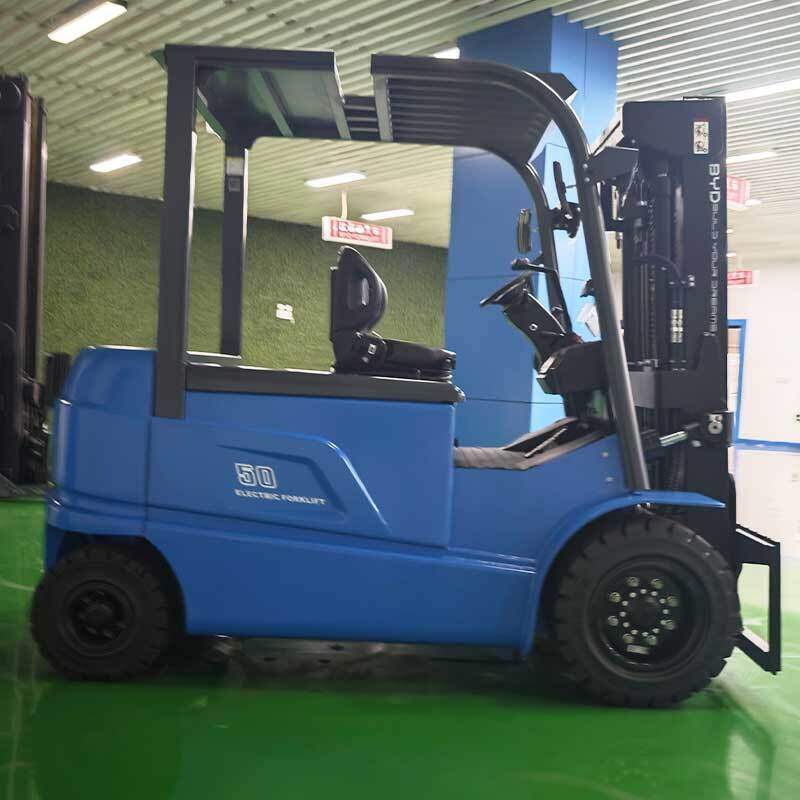
Electric forklifts have become a core component of modern industrial and warehouse material handling systems, recognized for their low noise output, zero local emissions and relatively low long-term operating cost compared with internal combustion counterparts. A full grasp of proper use and maintenance rules can help frontline operators extend equipment service life, reduce unnecessary downtime and improve overall logistics workflow efficiency.
Core Operating Specifications for Daily Use
Before each shift, operators need to conduct a quick pre-check covering brake response, remaining battery level, fork deformation condition and warning light status, to exclude hidden risks in advance. During operation, it is necessary to keep the load within the rated load range, avoid sudden acceleration or sharp turning when carrying heavy cargos, and keep a safe distance from surrounding shelves, passing personnel and other operating equipment. Operators are not advised to leave the driving position when the load is lifted to a high position, to avoid accidental falling of goods or tipping of the equipment.
Low-cost Daily Maintenance Best Practices
Routine maintenance of electric forklifts does not require overly complex professional operations for frontline teams. Operators can wipe off the dust and sundries on the body surface and battery compartment after each shift, check the connector of the battery pack to avoid loose connection caused by long-term vibration, and replenish the battery fluid according to the official product manual at specified intervals. For the walking motor and hydraulic lifting system, arrange authorized professional technicians to conduct regular inspection every 3 to 6 months, to find potential wear of parts at an early stage, so as to avoid higher repair cost caused by late failure.
Scene Adaptation Tips to Boost Operational Efficiency
Different working scenarios have different requirements for electric forklift configuration and operation mode. For narrow aisle warehouses, operators need to adjust the running speed in advance to adapt to the limited passing space, and reduce unnecessary steering actions when picking and placing goods on high shelves. For outdoor flat working sites with low dust, users can properly adjust the power output mode according to the load weight, to balance power consumption and working efficiency. Reasonable matching of operation mode and actual working scenario can effectively reduce unnecessary power consumption, and prolong the continuous working time of each full charge.


