
 简体中文
 Русский
 Français
 Português
 Español
 لالعربية


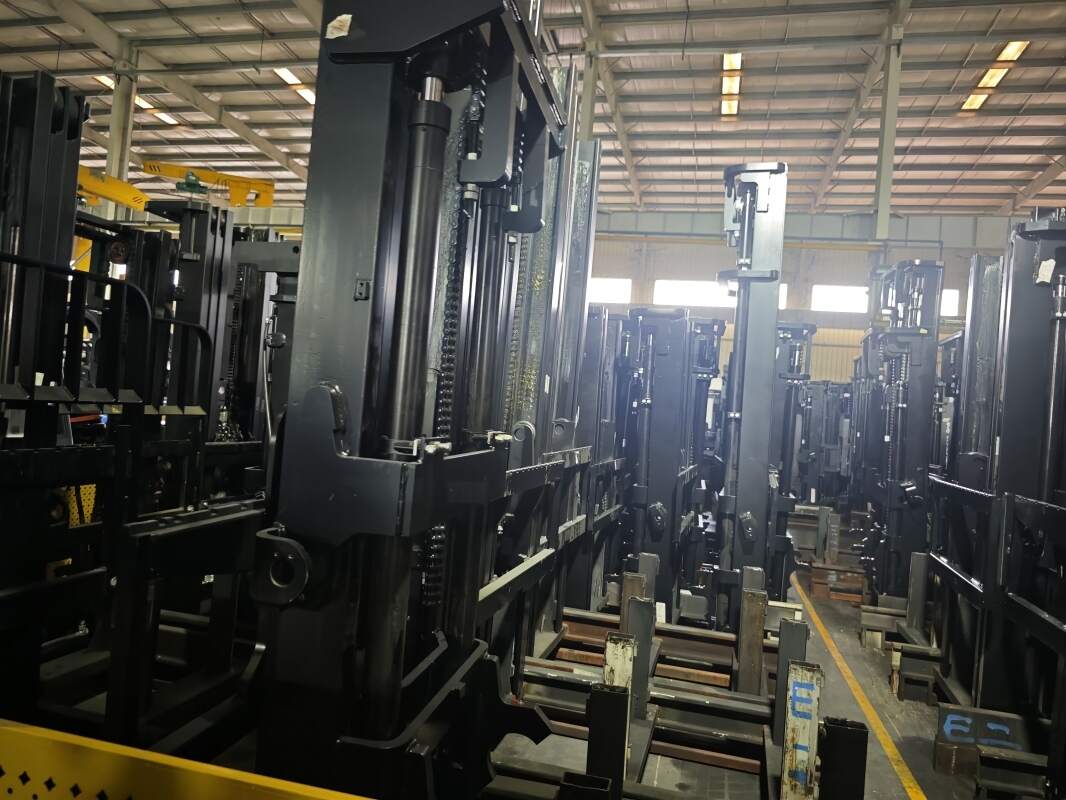
Along with the wide application of low-carbon logistics equipment in modern warehousing and industrial scenarios, electric forklifts have become one of the most commonly used material handling tools for many operation teams. Mastering standardized operation and management rules can help operators give full play to the performance of the equipment, avoid unnecessary faults, and create a safer working environment for surrounding staff.
Standardized Pre-operation Safety Check Norms
Before starting each shift of operation, operators need to conduct a full range of visual and functional inspection on the equipment without omission. The inspection scope covers the remaining power of the power system, the flexibility of the steering and lifting mechanism, the sensitivity of the braking device, the intact condition of the tire surface, and the normal display state of all instrument indicators. If any abnormal sign is found during the check, the operator should suspend the use of the equipment and inform the management personnel for follow-up processing, rather than operate the equipment with hidden risks.
Routine Daily Maintenance Practices
Regular maintenance work can effectively prolong the service life of electric forklifts and reduce the frequency of unexpected downtime. The daily maintenance work after each shift includes wiping the dust and sundries attached to the surface of the equipment, cleaning the debris on the heat dissipation structure of the motor, checking the connection tightness of the power interface, and placing the equipment in the designated parking area with the power cut off. For the scheduled maintenance arranged every few hundred working hours, relevant personnel can check the wear degree of the transmission parts, replenish the lubricating oil at the specified positions, and calibrate the sensitivity parameters of the control system according to the official operation manual.
Feasible Methods to Improve Energy Efficiency
Correct operation habits can effectively reduce the unnecessary power consumption of electric forklifts during use. Operators should avoid frequent rapid acceleration and sudden braking during the driving process, plan the handling route in advance to reduce repeated turning and empty driving mileage, and avoid long time overload operation beyond the rated load range. For the charging process, staff should arrange the charging schedule according to the actual remaining power, avoid excessive deep discharge of the power system, and keep the charging environment dry and ventilated to maintain the normal performance of the power unit.
Operation Adaptation Tips for Different Scenarios
When working in narrow aisle scenarios, operators should control the driving speed at a relatively low level, and pay close attention to the surrounding obstacles and passing staff around. When working in low temperature or high humidity environment, relevant personnel need to check the protection state of the electrical components regularly, and avoid exposing the equipment to the rain for a long time. Following the scenario-adapted operation rules can effectively reduce the failure rate of the equipment and ensure the stability of the whole material handling process.


