
 简体中文
简体中文 Русский
 Français
 Português
 Español
 لالعربية

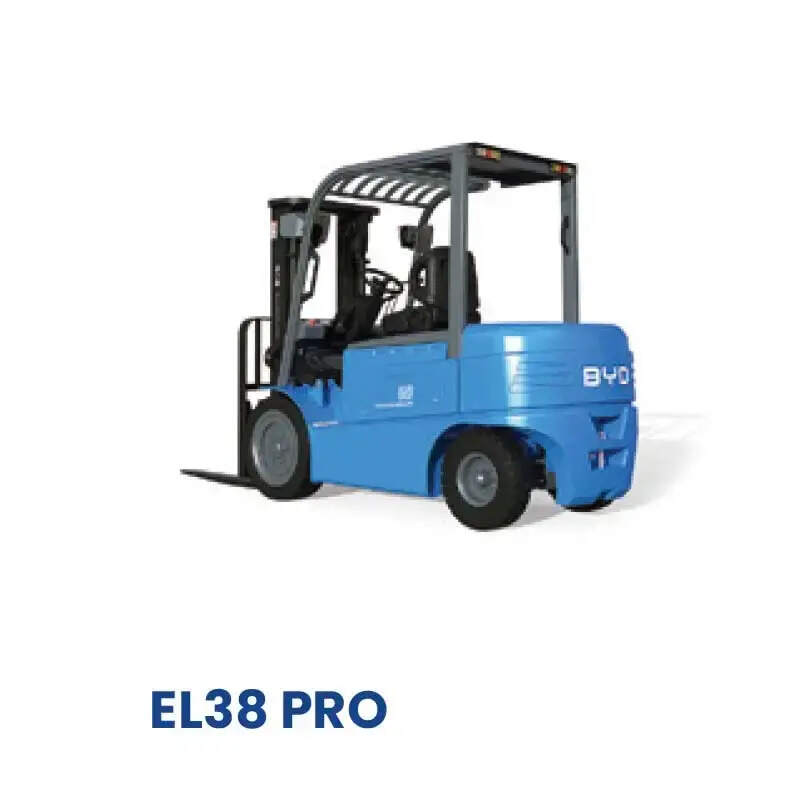
For many warehouse operation managers and equipment maintenance personnel, duty-rating parameters of electric forklift motors under continuous workload are often easily overlooked in daily use, even though these indicators directly determine the service life, operation stability and comprehensive cost of the whole material handling equipment. A correct understanding of these parameters can avoid unnecessary equipment damage caused by misoperation, and bring more stable output for long-term high-intensity operation scenarios.
First, it is necessary to clarify the basic definition of duty-rating under continuous workload. Unlike short-term intermittent working condition parameters, the continuous workload duty-rating of electric forklift motors refers to the allowed stable operation indicator when the motor keeps running for a long enough time under fixed load, until the temperature of each core component inside the motor reaches the specified stable threshold. This set of parameters is tested under standard ambient temperature, specified heat dissipation condition and rated voltage, which can reflect the real performance of the motor when it works for several hours or even longer without shutdown.
Second, you need to master the core dimensions of the specific parameters. The first core indicator is the rated continuous output power, which refers to the maximum output power that the motor can stably supply to the load without exceeding the allowable temperature rise of the internal winding and magnetic components in a continuous working state. The second key parameter is the allowable temperature rise limit, which refers to the maximum difference between the internal operating temperature of the motor and the ambient temperature under full continuous load. Exceeding this value for a long time will accelerate the aging of insulating materials inside the motor and shorten the normal service cycle. The third related indicator is the allowable short-term overload multiple under continuous working condition, which stipulates the maximum load peak that the motor can bear in a short pause or instantaneous acceleration stage on the premise of continuous operation for a long time.
Third, reasonable application of these parameters in actual work scenarios can bring many practical values. Operators can match the corresponding forklift configuration according to the average daily continuous working hours and the average load weight of the operation site, avoid selecting equipment with excessive parameter redundancy which causes unnecessary cost waste, and also avoid selecting equipment that cannot bear the actual continuous load which leads to frequent failure of motor overheating. For maintenance personnel, regular inspection of the temperature change trend of the motor under full continuous load, comparing the actual measured value with the factory duty-rating parameters, can timely find potential hidden dangers of equipment aging, and arrange targeted maintenance work in advance, so as to support the long-term reliable operation of the whole material handling fleet.


