
 简体中文
 Русский
 Français
 Português
 Español
 لالعربية


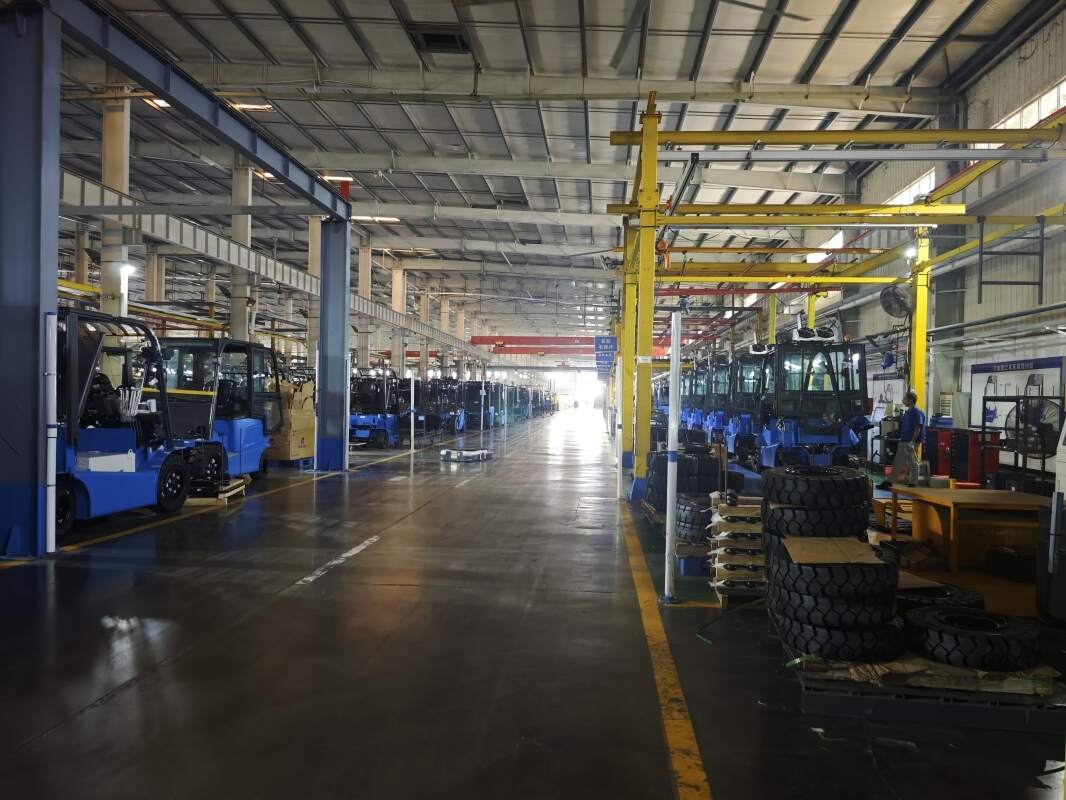
Against the backdrop of continuous low-carbon transformation of the global logistics industry, electric forklifts have gradually become one of the most widely used material handling equipment in closed warehouse scenarios. Mastering the correct application and operation rules of such equipment can help enterprises obtain more stable operation returns in daily material handling links.
Core Application Advantages of Electric Forklifts
Different from traditional internal combustion handling equipment, electric forklifts produce no local exhaust emission during the whole operation process, which can meet the environmental protection requirements of closed warehousing spaces such as food storage workshops and pharmaceutical distribution centers. The overall operation noise of the equipment is controlled at a relatively low level, which will not cause excessive noise interference to staff working in the surrounding operation area. The vibration generated during driving and lifting process is small, which can reduce the risk of damage to fragile goods such as glass products and precision electronic parts during handling. The overall energy consumption cost in unit operation time is also at a relatively controllable level, which is friendly to the long-term operation budget of small and medium-sized logistics enterprises.
Standardized Daily Operation Specifications
Before each shift, operators need to complete the necessary pre-drive inspection work, check the remaining battery level, brake system sensitivity, lifting arm lubrication status and safety protection accessories integrity, and can not start the equipment for operation until all indexes meet the safety standards. During the operation process, the driving speed should be adjusted according to the actual condition of the warehouse passage, keep a sufficient safe distance from surrounding working staff and stacked goods, and strictly prohibit overloading beyond the rated load range of the equipment. When moving for a long distance without handling goods, the fork should be lowered to a height of about 10 cm from the ground to avoid accidental scratch of the chassis or falling of unloaded goods on the fork.
Scientific Routine Maintenance Suggestions
During daily maintenance, operators should follow the official operation guidance to complete the charging and discharging management of the power battery, avoid long-term overcharging or complete over-discharging of the battery, and clean the dust accumulated on the battery electrode surface regularly to keep the conductive contact in good condition. The sealing components of the hydraulic lifting system should be checked regularly, and the aged and deformed sealing parts should be replaced in time to prevent hydraulic oil leakage from affecting the normal use of the lifting function. Reasonable maintenance work can effectively extend the service life of the equipment, reduce the unexpected failure rate in the peak operation period, and create more stable operation value for the enterprise.


