
 简体中文
 Русский
 Français
 Português
 Español
 لالعربية


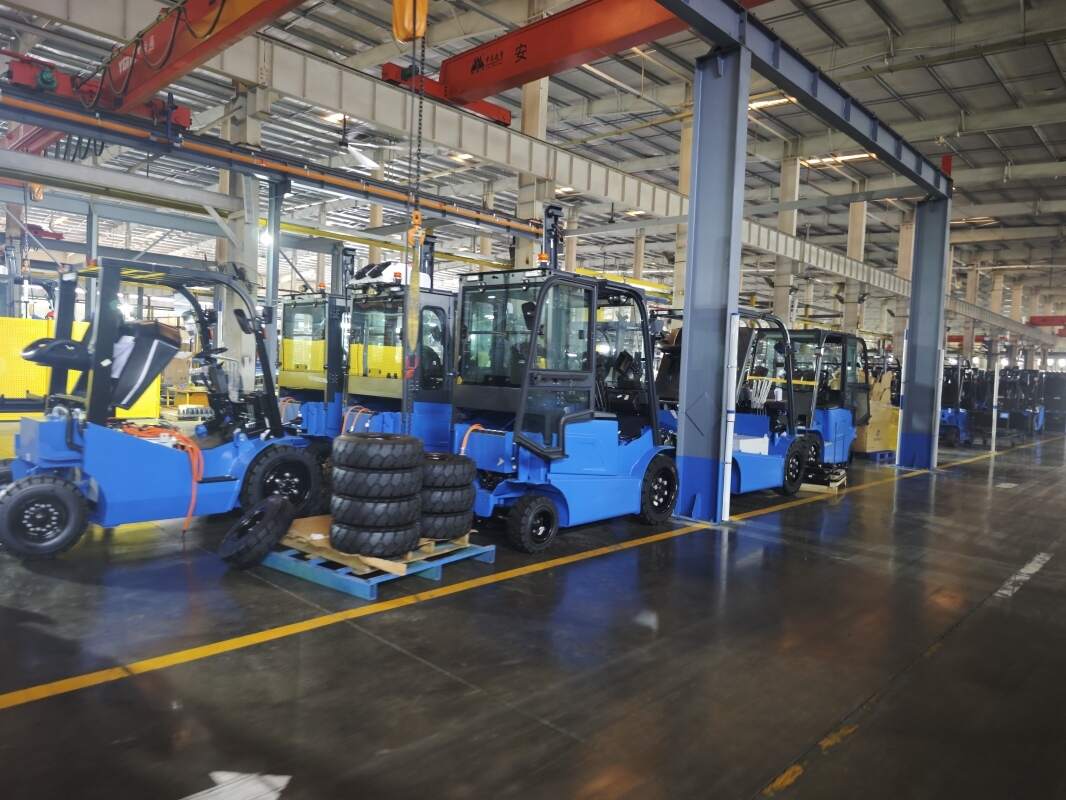
Against the background of rapid development of modern logistics and indoor storage industries, electric forklifts have become one of the most widely applied material handling equipment, and mastering correct use rules can help operation teams give full play to the equipment’s inherent value in daily scenarios.
Core Application Advantages of Modern Electric Forklifts
Different from fuel-powered handling equipment, modern electric forklifts produce no on-site exhaust emission during operation, and their low noise operation feature can adapt to enclosed storage spaces, food processing workshops, pharmaceutical production areas and other scenarios with strict requirements for ambient environment. The smooth and stable power output mode can also reduce the vibration fluctuation during cargo handling, and effectively lower the probability of cargo damage for fragile packaged goods. In long-term use cycles, the overall energy consumption cost is kept at a relatively reasonable level for most operation scenarios.
Standard Daily Operation Protocols
All operators need to complete systematic pre-job skill training before taking posts, and conduct a full-circle check of the vehicle before starting each shift, focusing on confirming the working state of the braking system, sound and light warning device, and hydraulic lifting structure. It is not recommended to carry loads beyond the rated load range of the equipment, keep safe driving distance with surrounding personnel and goods in narrow access, reduce driving speed in advance before turning, and avoid sharp steering or sudden stop operations that may lead to cargo falling off. When operators need to leave the operation position for a long time, they should lower the fork to the ground and cut off the main power supply of the equipment.
Targeted Routine Maintenance Tips
After each daily use, operators need to clean up the sundries and industrial debris stuck on the tire and vehicle body in time. The maintenance team should regularly check whether the connection terminals of the power module have signs of looseness or oxidation, check the wear state of the seals of the hydraulic system according to the cycle specified in the official specification, and regularly remove the dust accumulated on the surface of the heat dissipation structure to guarantee normal heat dissipation effect. Users are suggested not to disassemble the protection shell of the core power components without permission, and stop using the equipment immediately once abnormal operation noise or response lag is found, arrange for professional technical personnel to troubleshoot hidden problems before putting the equipment back into service.
Energy Efficiency Optimization Strategies
Operation teams can optimize daily handling routes to reduce unnecessary no-load driving mileage, and set reasonable driving speed according to on-site channel conditions to avoid invalid energy consumption. During non-working hours, the equipment should be parked in a specified ventilated charging area, and it is not suitable to store the equipment in a long-term full power or complete power loss state. Matching appropriate power output modes according to different load weights can further improve energy utilization efficiency and help extend the overall service life of the equipment.


