
 简体中文
 Русский
 Français
 Português
 Español
 لالعربية


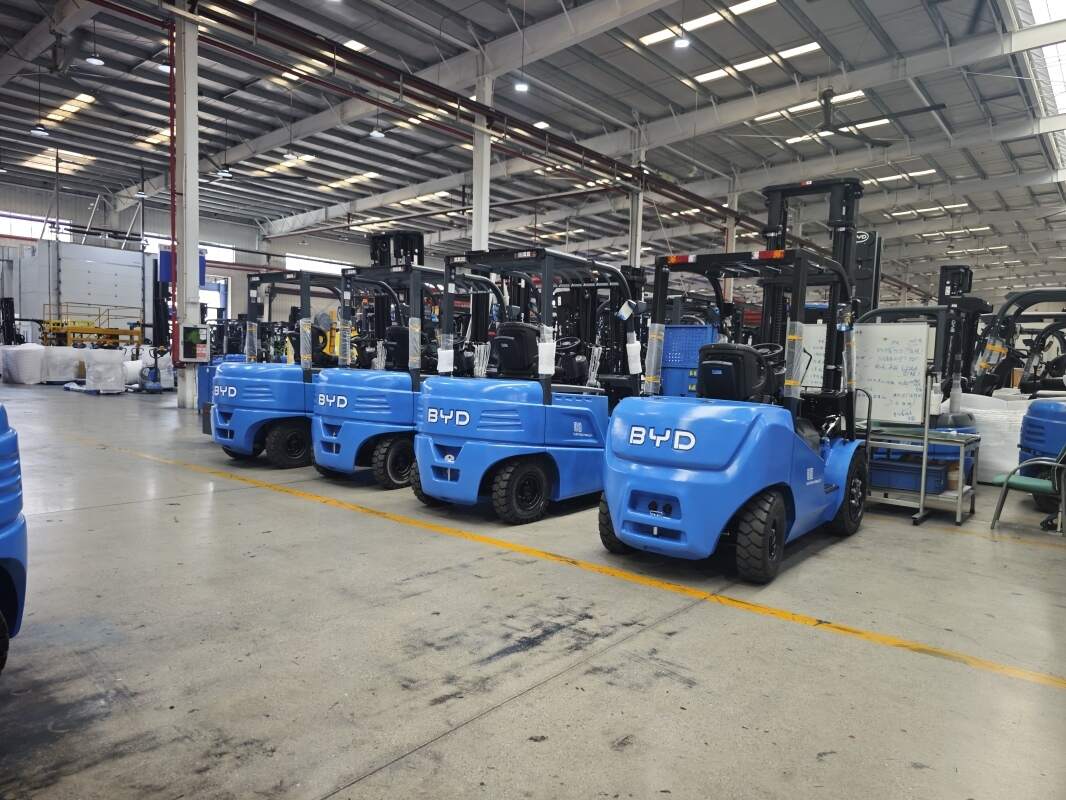
As the low-carbon logistics concept gains popularity around the world, electric forklifts have become one of the most widely used material handling equipment in indoor warehouses, manufacturing workshops and distribution centers. Compared with traditional internal combustion handling equipment, electric forklifts have unique characteristics in operation logic and maintenance requirements, and mastering relevant professional knowledge can help relevant practitioners give full play to the value of the equipment in daily work.
Core Functional Advantages of Electric Forklifts
Different from fuel-powered equipment, electric forklifts produce no local exhaust emissions during operation, which can effectively avoid air pollution to the closed indoor working space, and their low operating noise will not cause excessive interference to the surrounding working staff. The energy consumption cost of electric forklifts in the unit operation cycle is relatively stable, and there is no need for frequent fuel supply process, which is more suitable for high-frequency and short-distance repeated handling scenarios in daily warehouse operations.
Standard Daily Operation Specifications
Before each shift, operators need to check the braking performance, power display state and the flexibility of the lifting device first, to confirm that there is no obvious abnormal state before formal starting. In the driving process, the actual load should not exceed the rated load limit marked on the equipment body, and operators should keep a safe distance from surrounding stacked goods and passing personnel, decelerate in advance when turning, and avoid sudden braking at high speed. When driving on a gentle ramp, keep the goods facing the uphill direction, so as to reduce the risk of goods slipping from the fork.
Routine Maintenance Guidelines
After each operation shift, supplement the power in time, and try to avoid continuing to use the equipment after the power is completely exhausted, which will cause extra loss to the battery pack. Regularly check the cleanliness of the battery connection interface, remove accumulated dust and residual water stains, to prevent poor contact affecting the power supply efficiency. Regularly check the sensitivity of the braking system, add special lubricating oil to the lifting chain and rotating bearing parts according to the operation cycle, and park the equipment in the designated ventilated and dry area when it is idle, avoid long-term exposure to strong sunlight or heavy rain environment.
Scene Adaptation Principles for Higher Efficiency
Warehouse operators can select electric forklifts with corresponding parameters according to their actual working scenarios. For storage spaces with high shelf height, select equipment with matching maximum lifting height, for narrow channel operation scenarios, choose models with compact wheelbase to pass smoothly. For long-term operation in low temperature environment, take necessary thermal protection measures for the battery pack in advance. Reasonably arrange the charging period according to the daily operation volume, avoid the situation of insufficient power in the peak operation period, and bring more stable operation effect for the whole material handling process.


