
 简体中文
 Русский
 Français
 Português
 Español
 لالعربية


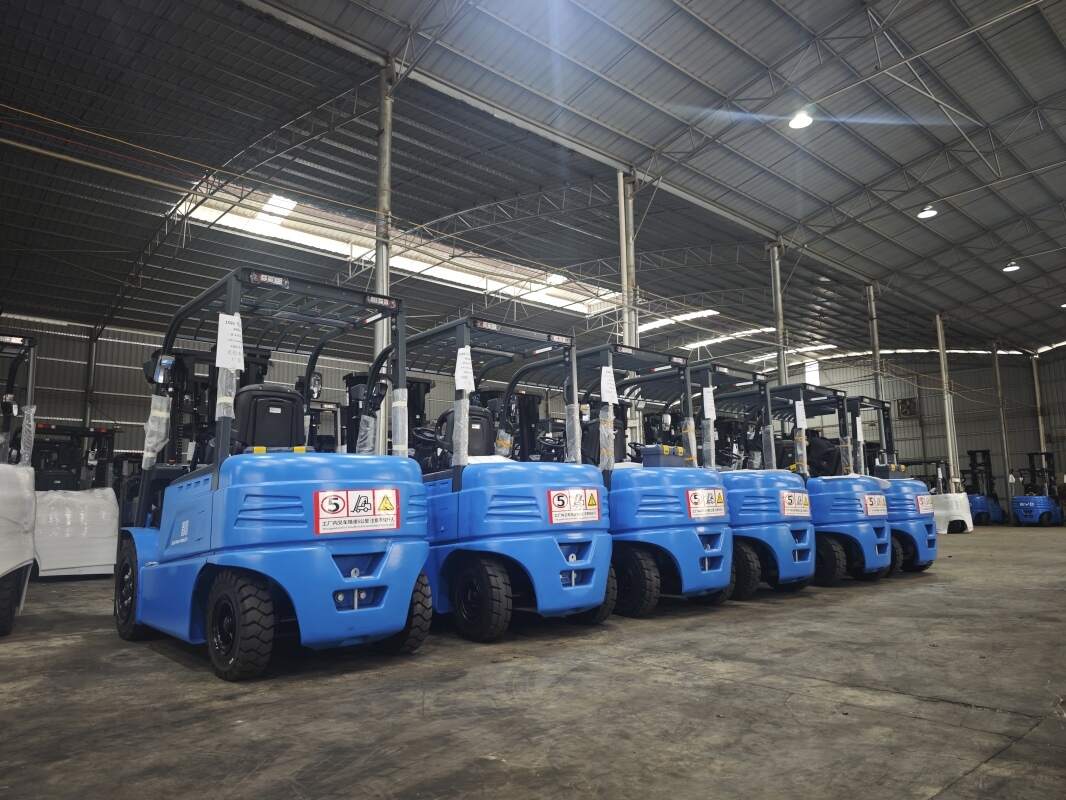
Against the background of continuous promotion of low-carbon logistics development, electric forklifts have become one of the most widely used material handling tools in warehousing, manufacturing and distribution sectors, with their quiet running performance and zero local emission features. Many frontline operators and warehouse managers need systematic, practical reference knowledge to maximize the value of such equipment in daily work.
Core Performance Features of Modern Electric Forklifts
Compared with internal combustion counterparts, modern electric forklifts rely on electric power drive systems, which generate far less noise and no tail gas during operation, making them suitable for enclosed working spaces such as cold storage, food processing workshops and indoor goods storage areas. The overall weight distribution of mature electric forklift products is optimized through structural design, to guarantee stable load bearing performance within the rated load range, and will not produce extra vibration that may damage fragile goods during cargo lifting and moving processes.
Standardized Daily Operation Specifications
Before starting each shift, operators need to conduct a basic inspection of the equipment, including checking the remaining power level, the flexibility of the lifting fork structure, the sensitivity of the braking system, and the normal display status of all instrument panels. During the operation process, operators should avoid sharp steering and sudden acceleration when carrying loaded goods, and keep a safe distance from surrounding personnel and stacked goods in the working passage. It is not recommended to operate the equipment on slopes with a gradient exceeding the design allowable range, to avoid potential safety risks caused by unbalanced center of gravity.
Routine Maintenance to Extend Service Lifespan
Carrying out regular standardized maintenance can effectively reduce the failure rate of electric forklifts, and prolong the overall service cycle of core components. Operators should clean the dust and sundries attached to the surface of the power module and walking system after finishing daily work, and check the connection tightness of the circuit parts regularly. For the power battery part, follow the official charging specification to complete the full charge and discharge cycle appropriately according to the actual use frequency, and avoid long-term storage under the state of extremely low remaining power. Lubricate the movable connection parts of the lifting structure on a regular schedule, to ensure the lifting and lowering process runs smoothly without obvious jamming.
Scenario-based Application Optimization Tips
For different working scenarios, users can adjust the corresponding parameter settings of electric forklifts to get better use effect. For narrow aisle warehousing scenes, operators can adjust the running speed to a lower level appropriately, to ensure the flexibility of steering and avoid scratching the goods stacked on both sides of the passage. For long-time continuous working scenes, arrange reasonable power replenishment intervals according to the actual power consumption, to avoid unexpected shutdown that may interrupt the whole logistics operation flow.


