
 简体中文
 Русский
 Français
 Português
 Español
 لالعربية


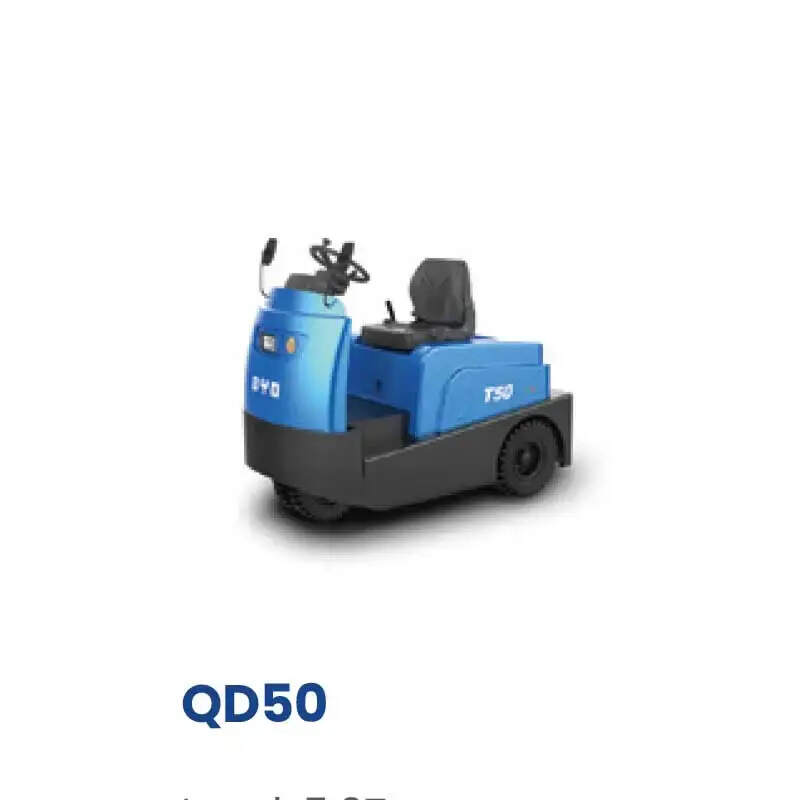
As low-carbon logistics concepts gain wider popularity across the industrial material handling sector, electric forklifts have become one of the most widely applied core equipment in modern warehouse scenarios. Proper usage and targeted maintenance of such equipment can bring stable operational benefits for logistics teams, while improper operations may lead to unexpected downtime and extra cost.
The Value of Scientific electric forklift Performance Management
Many warehouse teams only focus on the basic load and moving functions of electric forklifts after deployment, ignoring continuous performance tracking and adjustment, which usually leads to gradually increased energy consumption, unnoticeable component wear and shortened equipment service cycle. A complete performance management system can help teams reduce unnecessary operation cost without extra large investment, and support smoother daily logistics scheduling for different daily operation demands.
Routine Pre-shift Check for Hidden Risk Elimination
Before each shift of operation, operators can conduct simple inspections around the equipment, including checking the tire surface condition, braking sensitivity, lifting lubrication status and display indicator status. Such 10-minute pre-shift check can effectively avoid sudden equipment failure during high-load peak hours, and reduce the probability of unplanned downtime that may interrupt normal warehouse picking, sorting and loading processes.
Standardized Battery Care to Stabilize Power Output
The power unit is the core component that decides the continuous working duration of electric forklifts. Operators are suggested to follow official operation guidance to complete charging processes at proper remaining power level, avoid long term over-discharge or overcharge, and keep the surface of power unit clean and dry during daily storage. Proper battery care can maintain stable power output during long-hour continuous operation, and reduce the frequency of unexpected power shortage in busy work scenarios.
Sustained Operator Training to Reduce Unnecessary Wear
Regular skill update training for on-site operators can help them master correct operation postures under different load and road condition scenarios, avoid fierce acceleration, sudden braking and over-lifting actions that may cause extra load on core components. Such training can also help reduce the maintenance cost in the whole equipment life cycle, and create a safer working environment for on-site warehouse staff. Through the combination of these multi-dimensional measures, operation teams can get more stable performance output from electric forklift equipment, and obtain more reliable use value in long term industrial material handling work.


