
 简体中文
 Русский
 Français
 Português
 Español
 لالعربية


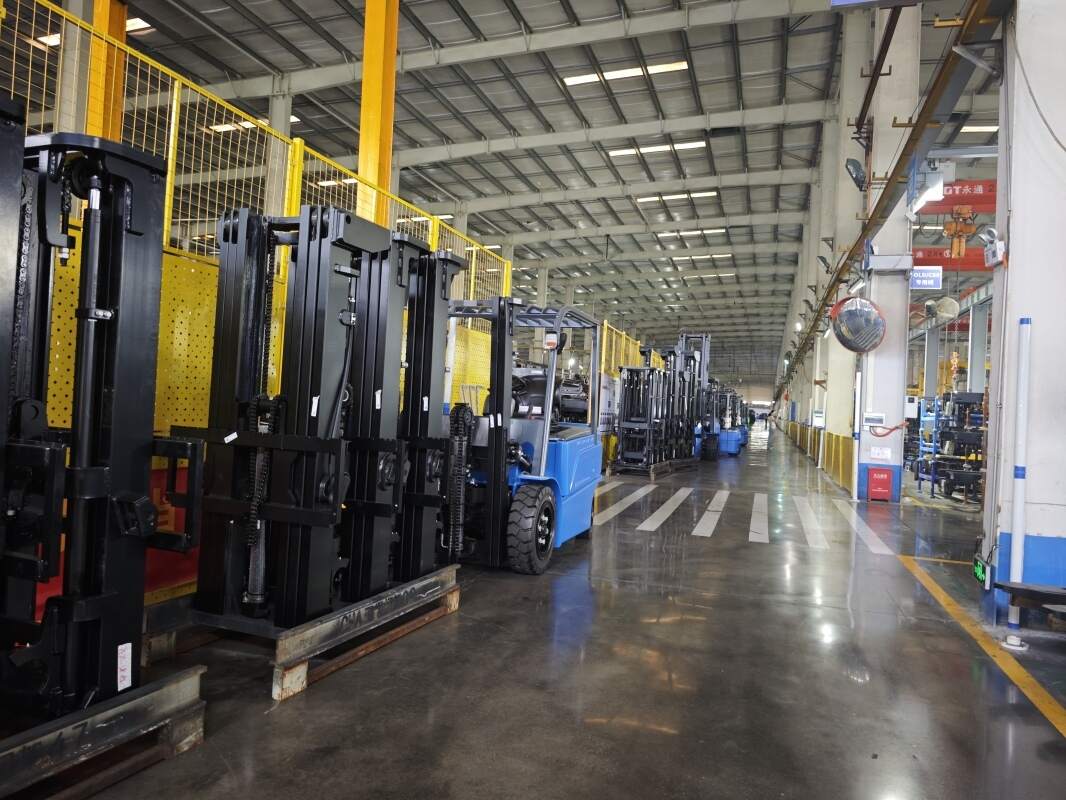
In recent years, electric forklifts have been widely applied in various industrial material handling scenarios for their low noise level, zero local emission and relatively low long-term energy consumption. Many frontline operators and warehouse managers still lack systematic and practical guidance to give full play to the advantages of this type of material handling equipment, which may lead to unnecessary operation risks or shortened service life of the equipment. The following content elaborates core practical points covering the whole usage cycle for relevant personnel reference.
Core Daily Operation Safety Specifications
Before each formal use, operators need to complete full pre-operation inspection work, including checking the remaining battery level, the sensitivity of braking and steering system, the normal working state of warning lights and horns, as well as the smoothness of the driving path without obstacles. During the operation process, operators should avoid overloading the equipment beyond the rated load capacity, never allow any personnel to stand under the lifting fork arms, slow down in advance when turning corners, and send out voice or light reminders when driving in narrow aisles with low visibility. After each operation cycle, operators need to park the equipment in the designated fixed area, pull up the hand brake completely, lower the fork arms to a height close to the ground, and cut off the main power supply if the equipment will be left unused for a long time.
Scientific Daily Maintenance Rules
Proper regular maintenance can effectively reduce the failure rate of electric forklifts and extend the overall service cycle. For the core power battery component, operators should avoid overcharging or completely discharging the battery, regularly wipe the dust and dirt on the battery surface, check whether the electrode connection points are loose or corroded, and keep the battery compartment dry and ventilated. For the hydraulic lifting system, relevant staff should regularly check whether there is liquid leakage at the pipeline joints, replenish the hydraulic oil that meets the specification on schedule, and clean the sundries stuck on the surface of the fork arms in time. It is also necessary to check the wear degree of solid or pneumatic tires at fixed intervals, add proper amount of lubricating grease to the rotating and moving parts, and remove the dust accumulated on the motor surface regularly.
Practical Tips for Efficiency Improvement
To get higher working efficiency in daily material handling work, relevant personnel can plan the optimal driving path in advance according to the goods distribution map of the warehouse, adjust the spacing of two fork arms to match the size of the common pallets in the site before starting the batch handling task, to avoid repeated adjustment in the midway. Operators can also arrange the sequence of handling tasks reasonably according to the weight and storage position of different goods, reduce unnecessary reciprocating driving, and effectively reduce the energy consumption per unit of handling work.


