
 简体中文
 Русский
 Français
 Português
 Español
 لالعربية


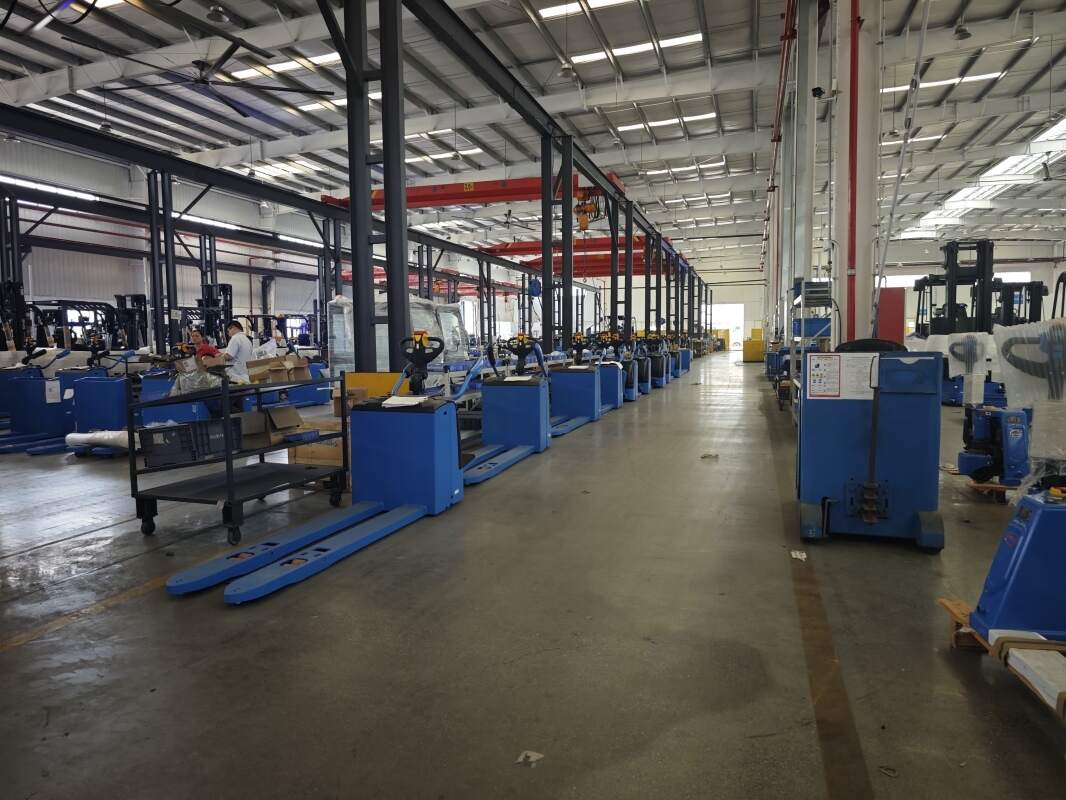
Against the background of the widespread popularization of green industrial logistics, electric forklifts have become one of the most common core equipment in indoor warehouse, manufacturing workshop and distribution center scenarios. Mastering standardized use and maintenance rules can help relevant personnel give full play to the inherent advantages of the equipment, reduce unnecessary operating costs, and avoid hidden safety risks in daily work.
Core Pre-operation Inspection Protocols
Before starting the equipment every shift, operators need to complete a series of basic inspection work that does not take too much time. The inspection scope covers the remaining power of the power system, the flexibility of the steering and lifting mechanism, the wear degree of the tire and the effectiveness of the lighting and alarm prompt device. If abnormal conditions such as unresponsive operation or obvious parts damage are found, the equipment shall not be put into use before the hidden dangers are eliminated, which can effectively avoid sudden failure during subsequent operation.
Daily Low-cost Maintenance Practices
Regular maintenance work does not require overly complex professional operations for daily management personnel. It is recommended to clean the dust and sundries accumulated on the surface of the equipment and the heat dissipation structure after each long time use, check the tightness of the connecting parts every week, and complete the corresponding protective maintenance work for the power system and transmission components in accordance with the specified cycle. Standardized maintenance can effectively delay the aging speed of components, and help the equipment maintain a stable working state in a longer service cycle.
Energy Efficiency Optimization Strategies
Reasonable operation habits can effectively reduce the extra power consumption of electric forklifts in the use process. Operators can plan the handling route in advance before each batch of goods handling, reduce unnecessary repeated turns and short distance frequent start and stop operations, avoid overloading the equipment beyond the rated load range, and try to keep the running speed in a relatively stable interval as far as operation conditions permit. These trivial operation details can significantly improve the single charge duration of the equipment, and reduce the total energy cost of long-term use.
Operation Safety Guidelines
In the daily operation process, operators need to always pay attention to the dynamic changes of the surrounding working environment, avoid rapid steering or sudden braking when carrying heavy goods, keep a safe distance from surrounding personnel, shelves and other equipment in the operation area, and do not carry people on the cargo forks. Complying with these basic safety operation specifications can effectively reduce the probability of operational accidents, and create a more stable working environment for the entire logistics operation link.


